
You wash your face. You avoid greasy food. You might even have a three-step routine down. Yet those stubborn clogged pores — the ones that lead to blackheads and breakouts — refuse to budge. For anyone with acne-prone skin, the frustration is real, and it often points to two specific culprits hiding in plain sight.
After years of working in health and wellness editing, I've seen the same patterns emerge in reader questions. It is rarely about using the wrong cleanser or skipping a step. For acne-prone skin, clogged pores usually persist because of two common mistakes that are surprisingly easy to fix once you know what they are. Let's get specific about what is actually blocking your pores and how to stop it.
What Exactly Keeps Pores Clogged?
Pores become clogged when a combination of sebum (your skin's natural oil), dead skin cells, and environmental debris gets trapped inside the follicle. For acne-prone skin, this process can happen faster and more stubbornly. The two mistakes that most often keep this cycle going involve how you hydrate your skin and what you use (or don't use) to exfoliate.
Mistake #1: Using the Wrong Moisturizer for Acne-Prone Skin
This is the most counterintuitive trap. Many people with oily or acne-prone skin skip moisturizer entirely, believing it will cause more breakouts. In reality, skipping hydration can make clogged pores worse. When the skin barrier is stripped of moisture, it often overcompensates by producing even more oil — a signal that can lead to more congestion.
But the problem isn't just skipping moisturizer. It is also using the wrong type of moisturizer. Heavy creams formulated with ingredients like coconut oil, shea butter, or certain silicones can sit on top of the skin and trap debris, which is the opposite of what you want.
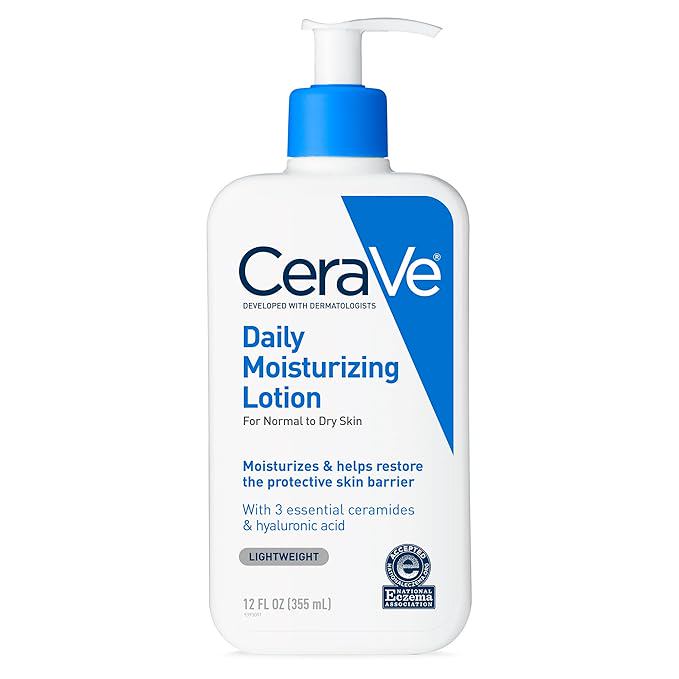
The fix: Look for moisturizers labeled non-comedogenic — that means they are formulated to not clog pores. Gel-based or water-based formulas are often better for acne-prone skin than thick creams. A lightweight moisturizer containing hyaluronic acid or glycerin hydrates without adding a heavy film.
One reader recently shared that switching from a drugstore night cream to a simple, fragrance-free gel moisturizer cleared their forehead bumps within two weeks. That small swap made a real difference because it stopped the cycle of over-hydration with pore-clogging ingredients.
Mistake #2: Over-Exfoliating or Using the Wrong Exfoliant
Exfoliation is crucial for acne-prone skin — dead skin cells pile up quickly, and if they don't slough off, they mix with oil and clog pores. However, there is a fine line between effective exfoliation and over-exfoliation. Scrubbing your face with a gritty physical scrub every day might feel like you are deep-cleaning, but it often creates micro-tears in the skin, leading to inflammation and more breakouts.
The bigger mistake is either exfoliating too aggressively or selecting the wrong type of chemical exfoliant. For clogged pores, salicylic acid (a beta hydroxy acid, or BHA) is the star ingredient because it is oil-soluble and can penetrate deep into the pore to clear out the buildup. Using a product with glycolic acid alone, which is water-soluble and works on the surface, might not reach the congested follicle effectively.
Over-exfoliation, whether physical or chemical, strips the skin barrier and triggers the same rebound oil production we talked about earlier. This creates a vicious cycle: your face feels tight, you exfoliate more, your skin gets irritated, and the inflammation makes pores appear larger and more clogged.
The fix: Aim for exfoliation 2 to 4 times per week, not daily, especially when starting out. Use a salicylic acid-based toner or serum at 2% concentration. Always follow with a moisturizer. If your skin feels stingy or looks red, take a break and let it recover before trying again.
How to Complement These Fixes
Fixing these two mistakes often clears the path for other products to work better. Once your moisturizer is non-comedogenic and your exfoliation is balanced, consider adding a targeted treatment like a retinoid or niacinamide to further refine texture and reduce oil production. But start with the basics. If your foundation is clogged, the top coat can't help much.
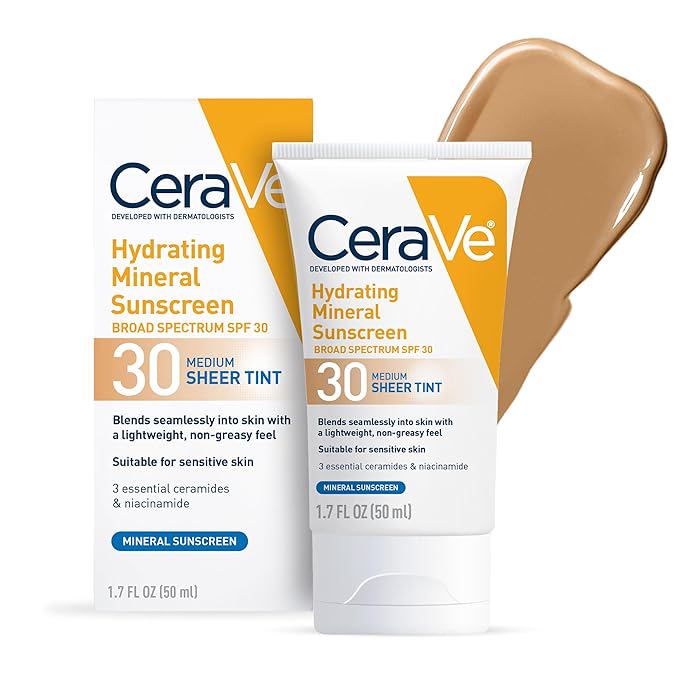
It also helps to check your makeup and sunscreen labels. Many powders, foundations, and sunscreens contain ingredients like isopropyl myristate or acrylates copolymer, which can be comedogenic for some individuals. Sticking with mineral-based sunscreens (zinc oxide or titanium dioxide) is often a safer bet for acne-prone skin.
The Bottom Line on Clogged Pores
Acne-prone skin doesn't have to mean endless congestion. The two most common mistakes — using a pore-clogging moisturizer and exfoliating incorrectly — are easier to correct than you might think. Pay attention to ingredient labels, listen to how your skin feels, and be patient. Most improvements will show up within a few weeks, not overnight. When you stop working against your skin's natural rhythm, your pores have a much better chance of staying clear.