When you think about skin health, elasticity is one of those quiet, foundational qualities. It’s the reason skin springs back after a smile, feels supple to the touch, and maintains a smooth contour. It’s not about chasing a wrinkle-free ideal, but about supporting the inherent resilience of your body’s largest organ. This guide walks through the practical science of what skin elasticity is, what naturally influences it over time, and the realistic, daily approaches that can help care for it.
At its core, skin elasticity refers to your skin’s ability to stretch and then return to its original shape. This snap-back quality comes from two key proteins in the dermis, the skin’s middle layer: collagen, which provides structure and firmness, and elastin, which gives skin its stretch and recoil. Think of them as the supportive scaffolding and the elastic bands within your skin’s architecture.
What Causes Changes in Skin Elasticity?
Our skin’s resilience evolves throughout life. This is a natural, universal process, though the timeline and degree vary for everyone. The primary driver is intrinsic aging—the gradual, genetically programmed decline in collagen and elastin production that begins in our mid-to-late twenties. Each year, we produce about 1% less collagen. Elastin fibers, incredibly durable but not easily replaced, can become fragmented and less functional over decades.
Alongside this intrinsic process, extrinsic factors play a significant role. These are the external influences we encounter, and they often accelerate the changes we associate with aging skin.
Sun Exposure
Chronic, unprotected exposure to ultraviolet (UV) rays is the single most impactful extrinsic factor. UV radiation penetrates the dermis, where it breaks down collagen and elastin fibers and inhibits the formation of new ones—a process often called photoaging. This leads to a loss of firmness and the development of deeper wrinkles.
Lifestyle and Environmental Factors
Several other daily elements contribute. Smoking introduces toxins that constrict blood vessels, starving the skin of oxygen and nutrients while generating free radicals that damage collagen and elastin. Pollution particles can trigger inflammation and oxidative stress in the skin. Even repetitive facial expressions, over many years, create creases in the skin that can become more permanent as elasticity decreases.
Significant Weight Fluctuations and Diet
Rapid or major weight loss can leave skin stretched beyond its ability to fully retract, as the supportive network of collagen and elastin has been damaged. Nutritionally, a diet consistently low in essential nutrients, protein, and healthy fats fails to provide the building blocks your skin needs to maintain and repair its supportive structures.
How Can You Support Skin Elasticity?
While we can’t stop the intrinsic aging clock, the extrinsic factors are largely within our sphere of influence. Management is about consistent, supportive habits rather than miracle cures.
Sun Protection is Non-Negotiable
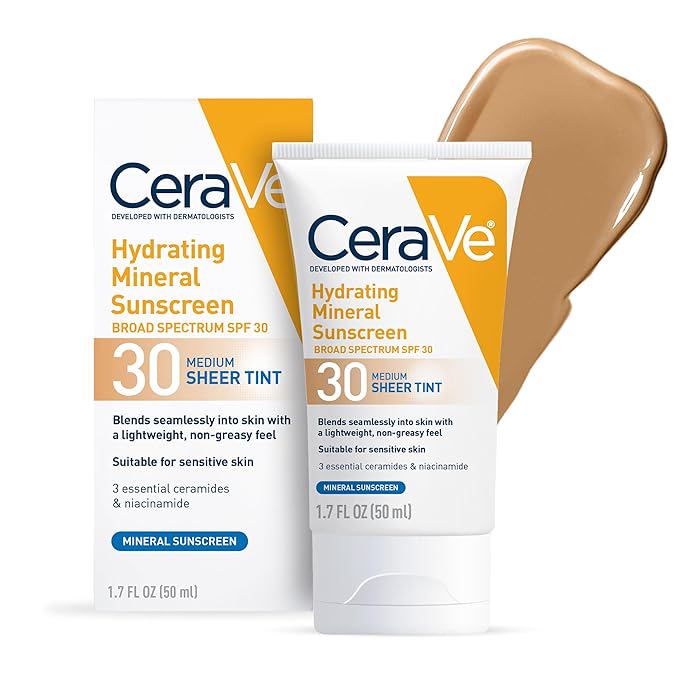
This is the cornerstone of any skin resilience strategy. Daily use of a broad-spectrum sunscreen with an SPF of 30 or higher protects existing collagen and elastin from degradation. Don’t forget hats and seeking shade during peak sun hours. It’s the most effective long-term investment you can make.
Nourish Your Skin from Within
Your skin reflects your overall nutrition. Focus on a diet rich in:
- Antioxidants: Vitamins C and E combat free radicals. Find them in citrus fruits, berries, nuts, seeds, and leafy greens.
- Protein: Provides the amino acids necessary for collagen synthesis. Include lean meats, fish, legumes, and eggs.
- Healthy Fats: Omega-3 fatty acids, found in fatty fish, walnuts, and flaxseeds, help maintain the skin’s lipid barrier, keeping it hydrated and supple.
- Hydration: Drinking adequate water supports overall skin plumpness and function.
Think of your diet as providing the raw materials. Your body uses them to build and maintain skin structure.
Consider Your Topical Routine
While no cream can replace lost structural proteins, certain ingredients can support the skin’s environment and encourage its natural processes.
- Retinoids (Vitamin A derivatives): Prescription retinoids and over-the-counter retinol are the most researched topical ingredients for stimulating collagen production and improving skin texture.
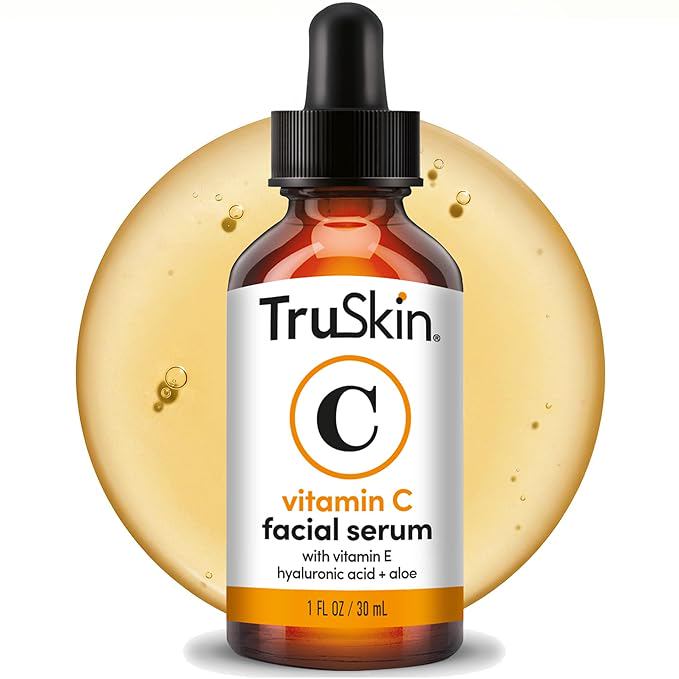
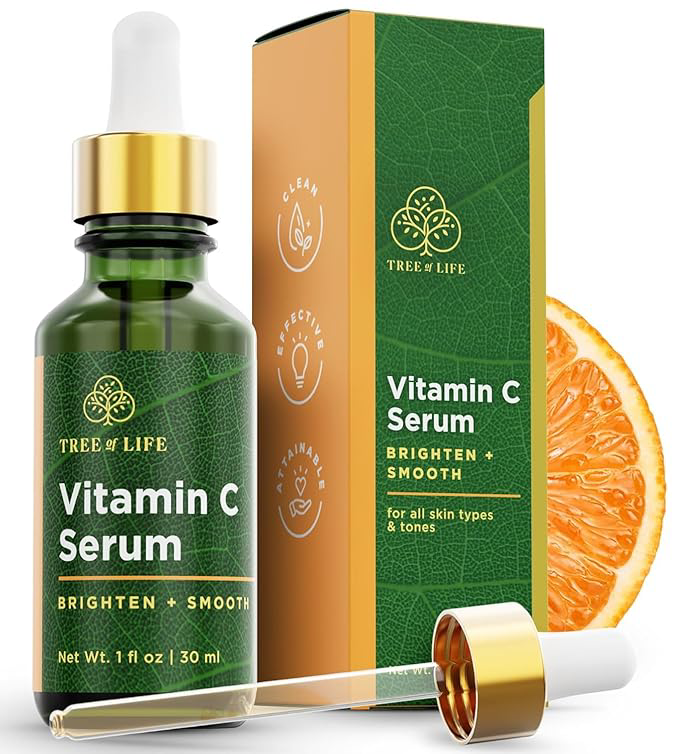
- Vitamin C: A potent antioxidant that helps protect skin from free radical damage and plays a co-factor role in collagen synthesis.
- Peptides: These short chains of amino acids can act as messengers, signaling the skin to produce more collagen.
- Niacinamide (Vitamin B3): Helps improve skin elasticity, strengthen the barrier, and reduce inflammation.
Consistency and patience are key with topicals; results take months, not days.
Lifestyle Adjustments
Small, sustainable changes have a cumulative effect. If you smoke, seeking support to quit is one of the best things you can do for your skin’s health. Managing stress through practices like meditation, walking, or adequate sleep can lower cortisol levels, which in excess can break down collagen. Aim for 7-9 hours of quality sleep per night, as this is when your skin undergoes significant repair and renewal.
Professional Treatments and Realistic Expectations
For those seeking more targeted approaches, a range of in-office dermatological treatments exists. These should always be discussed with a qualified professional who can assess your individual skin and goals.
Options include laser therapies, radiofrequency treatments, and microneedling, which work by creating controlled micro-injuries to trigger the skin’s natural wound-healing process, boosting collagen and elastin production over time. It’s crucial to have realistic expectations: these treatments can improve firmness and texture, but they are part of a maintenance strategy, not a reversal of time.
Ultimately, supporting skin elasticity is a holistic practice. It intertwines daily protection, nourishing choices, and a consistent care routine. The goal isn’t perfection, but fostering a healthy, resilient complexion that reflects the care you give it over a lifetime.