Starting a vegetarian diet can feel exciting, but when hunger strikes on a busy Tuesday, the idea of cooking from scratch can be daunting. That’s where meal prep comes in. It’s not about spending your entire Sunday in the kitchen; it’s about making a few smart, simple choices ahead of time to make your week smoother, healthier, and far less stressful.
Think of it as building a helpful framework for your week. With a little upfront planning, you can ensure you always have a nourishing meal or snack ready to go, which helps you stick to your vegetarian goals without relying on less-than-ideal convenience foods.
Start with a simple mindset
The biggest hurdle for beginners is often the idea that meal prep has to be elaborate. It doesn’t. The goal isn’t perfection; it’s progress. Start by preparing just one or two components that can be used in multiple ways throughout the week. This modular approach is far more sustainable than trying to cook five complete, different meals in one go.
Your first week, just focus on washing and chopping vegetables or cooking a big batch of grains. That alone is a win.
Master the core components
Vegetarian meals are often built on a simple formula. If you prepare these basic building blocks, assembling meals becomes quick and easy.
Grains and legumes
These are your hearty, filling foundations. Cook a large batch of one or two staples to use as a base for bowls, salads, and wraps.
- Quinoa or brown rice: Versatile and stores well for 4-5 days.
- Lentils or chickpeas: A fantastic source of plant-based protein and fiber. Canned versions are perfectly fine for beginners—just rinse them well.
Prepped vegetables
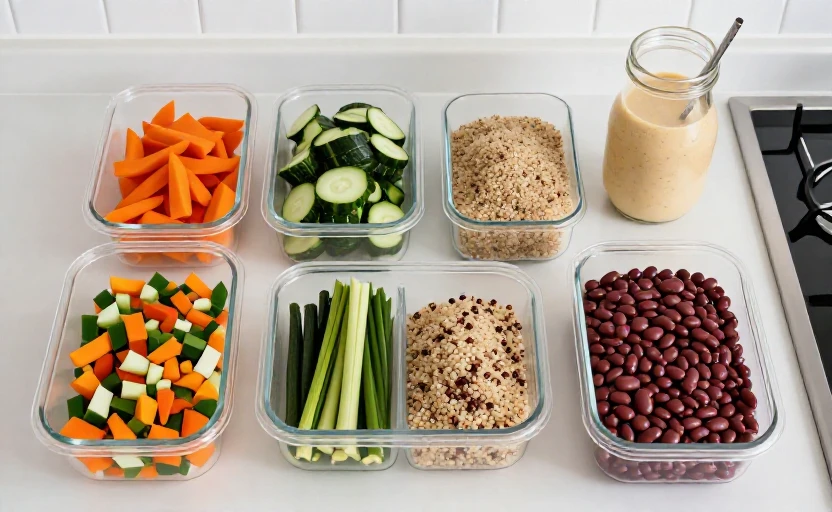
Washing, chopping, and storing your vegetables is arguably the most impactful step. It removes the biggest barrier to cooking during the week.
- Roast a tray of hardy vegetables like broccoli, bell peppers, and sweet potatoes.
- Keep a container of washed, chopped salad greens (store them with a paper towel to absorb moisture).
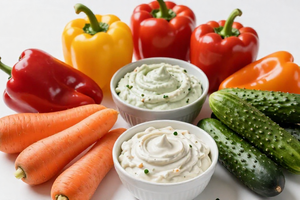
- Slice crunchy vegetables like cucumbers, carrots, and celery for quick snacks or salad additions.
Simple sauces and dressings
A great sauce can transform simple ingredients. Whisk together a large jar of a basic vinaigrette or a creamy tahini sauce. Having a flavorful dressing ready means a bowl of grains and veggies never feels boring.
Use a flexible weekly template
Instead of rigidly planning every single meal, try this adaptable framework. Prepare the components below, then mix and match them at mealtime.
- Batch-Cooked Grain: 3-4 cups of quinoa or rice.
- Protein Source: 2 cans of beans (like black beans or chickpeas), rinsed, or a batch of baked tofu.
- Roasted Vegetables: 1-2 baking sheets worth of your favorites.
- Fresh Elements: Washed greens, chopped herbs, an avocado.
- Sauce: One simple dressing or sauce.
With these in your fridge, you can create a nourishing grain bowl, a quick wrap, or a hearty salad in minutes.
Smart storage is everything
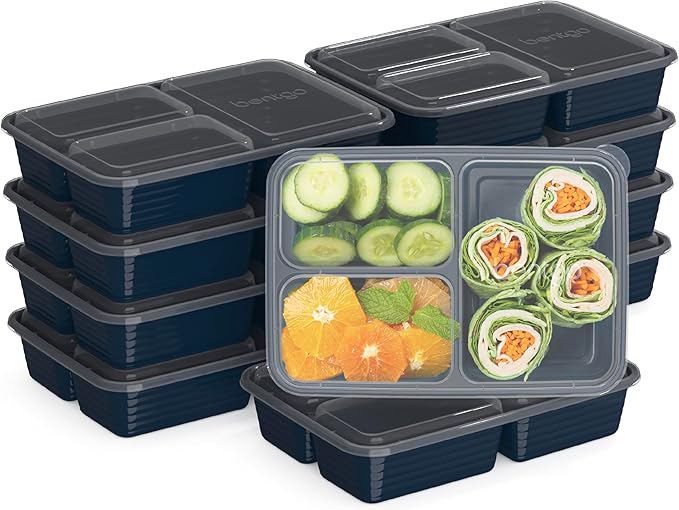
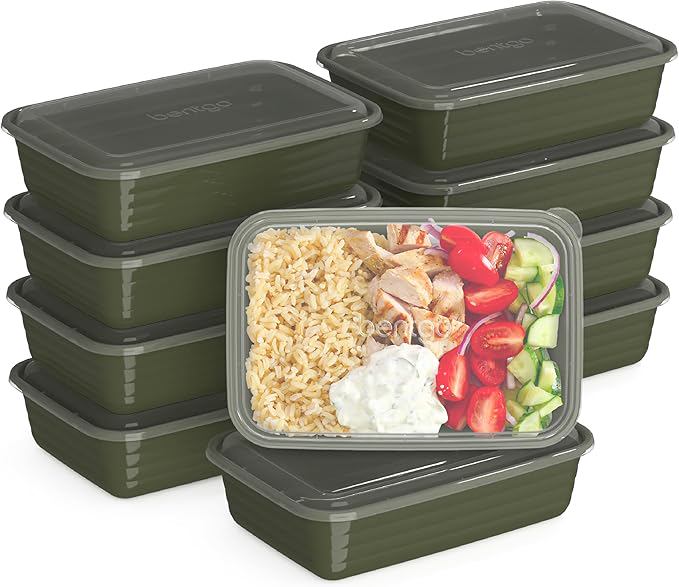
Your prep work stays fresh and appetizing with the right containers. Clear glass containers let you see what you have, preventing food from being forgotten. Use smaller containers for sauces and dressings, and store components separately until you’re ready to assemble your meal to keep textures intact.
Let cooked components cool completely before sealing and refrigerating to prevent condensation that can make food soggy.
Beginner-friendly recipe ideas to prep
Start with one of these simple, make-ahead ideas that yield multiple servings.
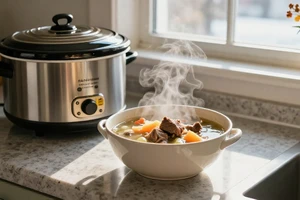
- Hearty Lentil Soup: A big pot provides easy lunches all week and freezes beautifully.
- Mason Jar Salads: Layer dressing at the bottom, then hardy ingredients like chickpeas and carrots, with greens on top. They stay crisp for days.
- Vegetarian Chili: Packed with beans, corn, and tomatoes, it’s a filling, flavor-packed option that improves over a few days.
Remember, the rhythm of meal prep is personal. Some people love a two-hour Sunday session, while others prefer to do a quick 20-minute chop session every other evening. Find what feels manageable for you. The consistency of having wholesome, vegetarian food ready when you need it is what builds a lasting, healthy habit. Start small, celebrate your successes, and enjoy the peace of mind that comes with being prepared.



![Freshware Meal Prep Containers [50 Pack] 1 Compartment Food Storage Containers with Lids, Bento Box, BPA Free, Stackable, Microwave/Dishwasher/Freezer Safe (16 oz)](https://www.glowtheorylab.com/uploads/ad202604/65411b035c0a4f69.webp)