You invest time, money, and hope into your skincare routine, expecting it to be a fortress against time. Yet sometimes, the very steps meant to protect and rejuvenate can subtly work against you. The appearance of new fine lines can feel like a betrayal, especially when you're diligently following a regimen. The culprit isn't always aging itself; it can be the routine.
Certain common habits, often born from good intentions or misinformation, can compromise your skin's barrier, accelerate dehydration, and create the perfect environment for premature fine lines to settle in. The good news is these mistakes are correctable. By understanding where your routine might be going awry, you can shift from inadvertently causing damage to providing genuine, supportive care.
Mistake 1: Over-Cleansing and Stripping the Skin
Clean skin is the goal, but squeaky-clean skin is a problem. That tight, dry feeling after washing isn't a sign of purity; it's a distress signal. Your skin's barrier—a delicate layer of lipids and cells often called the moisture barrier—is its first line of defense. Harsh cleansers, especially foaming formulas with high pH or sulfates, can strip away the natural oils that seal in moisture and keep irritants out.
When this barrier is compromised, water evaporates from the skin more easily, a process known as transepidermal water loss. Chronically dehydrated skin loses plumpness and resilience. Think of a grape versus a raisin. That loss of volume makes existing lines more noticeable and can create new, dehydration-induced fine lines, particularly around the eyes and forehead. It also leaves skin vulnerable to environmental stressors that contribute to aging.
If your skin feels tight or itchy within minutes of cleansing, your product is likely too harsh.
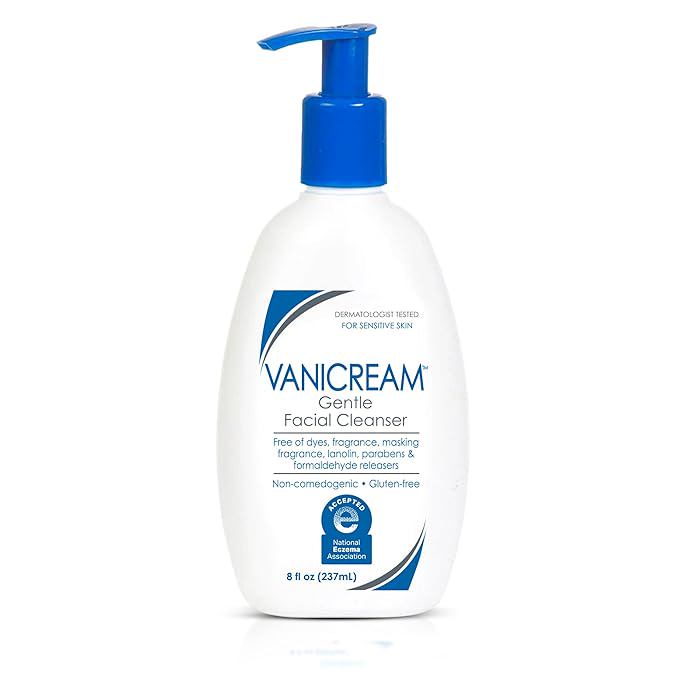
Instead, look for gentle, hydrating cleansers with creamy or milky textures. Ingredients like glycerin, ceramides, and hyaluronic acid can help cleanse while supporting the barrier. For many, cleansing just once a day—in the evening to remove the day—and using only lukewarm water in the morning is a game-changer for barrier health.
Mistake 2: Skipping Sunscreen or Using It Incorrectly
This bears repeating: sun exposure is the single greatest external contributor to premature skin aging, responsible for up to 90% of visible changes. Ultraviolet rays break down collagen and elastin, the proteins that keep skin firm and smooth. Fine lines from sun damage aren't just from dryness; they're from structural damage.
Using sunscreen only on sunny summer days is a critical error. UVA rays, the primary aging rays, penetrate clouds and windows year-round. The other common misstep is applying too little. Most experts agree you need about a teaspoon for the face and neck to achieve the stated SPF protection. A dab won't do it.
Incorporate a broad-spectrum sunscreen with at least SPF 30 as the non-negotiable final step of your morning routine, every single day. Look for formulas you enjoy wearing—whether mineral or chemical, lightweight or moisturizing—so consistency becomes easy. This one habit does more to prevent fine lines than any expensive anti-aging serum used haphazardly.
Mistake 3: Using Potent Actives Without a Balanced Base
Retinol, vitamin C, alpha-hydroxy acids—these powerhouse ingredients are celebrated for their ability to boost collagen and refine skin. But diving in too fast, using too many at once, or failing to support your skin alongside them can backfire dramatically.
Actives like retinoids and acids can cause irritation, redness, and peeling, especially during the initial adjustment period. This inflammatory state can weaken the skin barrier, leading to the same dehydration and sensitivity discussed earlier. When skin is irritated and inflamed, it cannot focus on repair and regeneration; it's too busy putting out fires. The result can be increased dryness and the appearance of fine lines from compromised skin health, not a reduction in them.
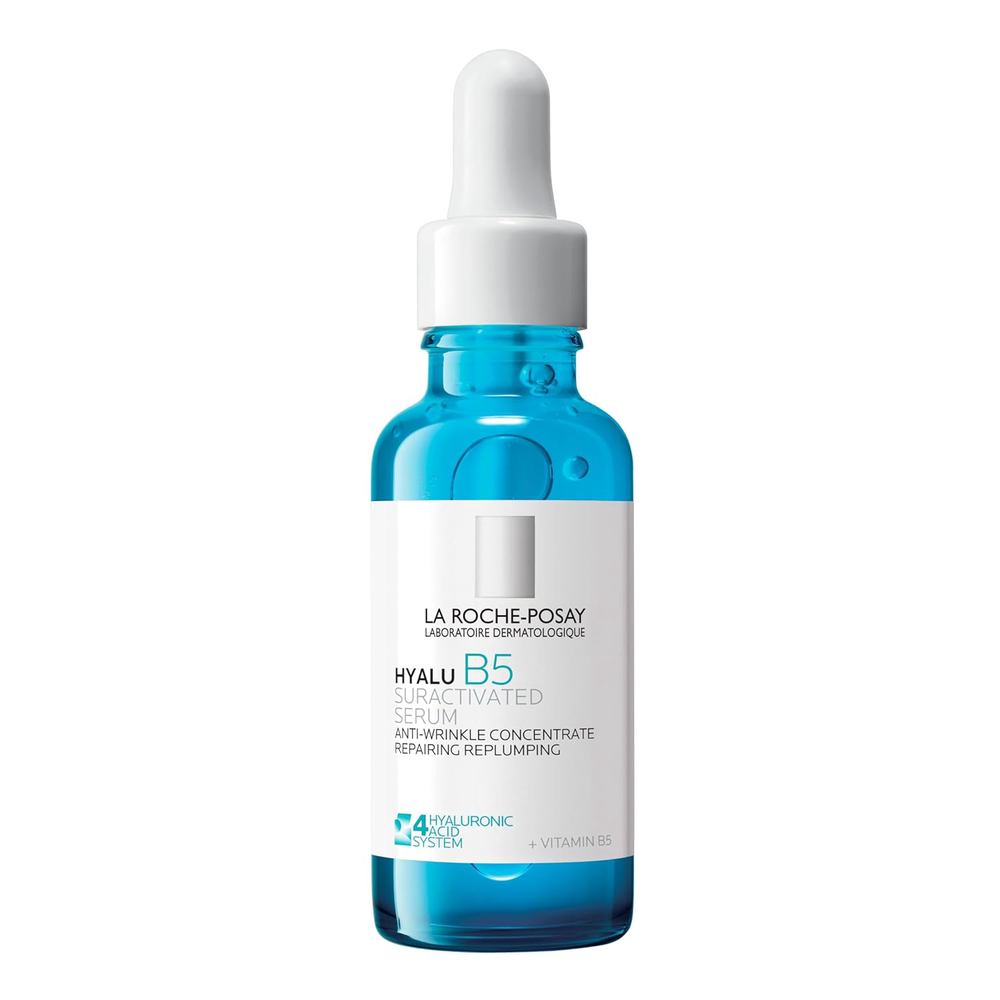
The key is patience and partnership. Start any new active slowly, perhaps twice a week, and gradually build frequency. Never layer multiple potent actives (like retinol and an AHA) in the same session. Most importantly, pair them with a bedrock of soothing, barrier-supporting ingredients: a gentle cleanser, a hydrating toner or essence with ingredients like centella asiatica or panthenol, and a rich moisturizer with ceramides. The active does the targeted work; the supportive products keep your skin healthy enough to benefit from it.
Mistake 4: Neglecting Nighttime Hydration
Your skin's repair mechanisms kick into high gear while you sleep. It's a time of increased blood flow, cell turnover, and collagen production. Sending your skin into this important cycle without adequate hydration is like sending a builder to a job site without materials.
Many people use their same daytime moisturizer at night, but nighttime is the opportunity to provide deeper, richer nourishment. A lightweight gel may not be enough, especially if you use air conditioning, heating, or live in a dry climate. Furthermore, if you use a treatment like retinol at night, it requires a supportive moisturizer applied afterward to counteract potential dryness.
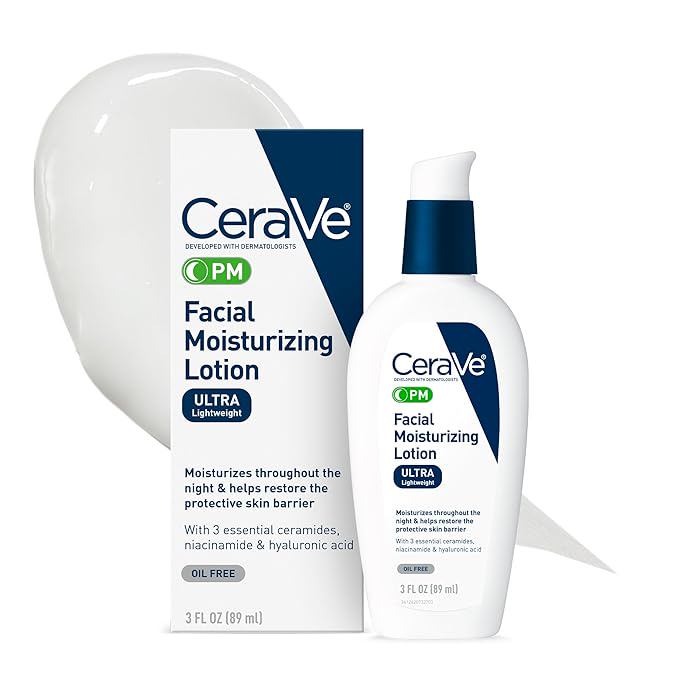
Look for a night cream or sleeping mask formulated with occlusive ingredients like shea butter, squalane, or non-comedogenic oils. These create a gentle seal over the skin, slowing water loss and allowing hydrating ingredients to work overnight. Hyaluronic acid is a brilliant hydrator, but it needs that occlusive layer on top in dry environments to pull moisture from the air into your skin, not the other way around. Plump, well-hydrated skin naturally shows fewer fine lines.
Building a Line-Preventing Routine
Correcting these mistakes isn't about adding ten new steps; it's about mindful adjustment. A simple, effective framework looks like this:
- Morning: Gentle cleanse (or water rinse), antioxidant serum (like vitamin C), moisturizer, broad-spectrum sunscreen.
- Evening: Gentle cleanse to remove sunscreen/makeup, a treatment active (used on alternate nights if strong), a nourishing night cream or moisturizer.
Listen to your skin. If it feels tight, stings, or looks red, scale back. Sometimes, doing less—with the right products—is the most powerful anti-aging strategy of all. Your skin's health is the true foundation of its youthfulness.