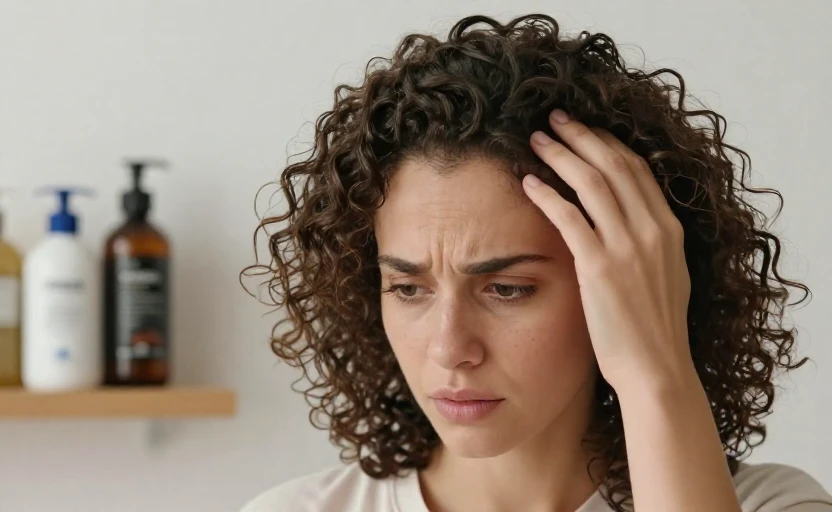
An itchy scalp can be a persistent, maddening distraction. For those with curly or coily hair, the instinct is often to reach for more product—another deep conditioner, a heavier cream, a different oil—to soothe the discomfort. But what if the very products you’re using to care for your curls are the source of the itch? The relationship between product ingredients and scalp health is complex, and learning to decode it is the first step toward lasting relief.
Your scalp is skin, and like the skin on your face, it can react to irritants, become clogged, or develop sensitivities. The rich butters, oils, and stylers that define many curly hair routines, while excellent for curl definition and moisture, can sometimes create an environment that leads to irritation. The goal isn't to abandon your regimen, but to become a more informed detective of your own routine.
Common Culprits in Curly Hair Products
Not every ingredient will bother every person, but some are frequent offenders. Sensitivity is highly individual, but knowing where to look can help you narrow down the possibilities.
Heavy Oils and Butters: Ingredients like coconut oil, shea butter, and cocoa butter are staples for locking in moisture. However, for some scalps, these can be too occlusive. They can create a barrier that traps sweat, dead skin cells, and product residue against the scalp, potentially leading to clogged follicles and a breeding ground for yeast that causes itching and flaking.
Silicones: These ingredients (often ending in -cone or -xane, like dimethicone) are used to smooth hair and add shine. While not inherently bad, certain silicones are not water-soluble and can build up on the scalp over time. This buildup can feel heavy, prevent moisture from penetrating, and may irritate sensitive skin.
Fragrances and Essential Oils: Synthetic fragrance and even natural essential oils are among the most common causes of allergic contact dermatitis. A scent that smells delightful in the bottle can be a potent irritant on the scalp. If a product is heavily fragranced, this is a prime suspect.
Drying Alcohols: Not all alcohols are problematic. Fatty alcohols like cetyl or stearyl alcohol are moisturizing. The ones to watch for are short-chain alcohols like ethanol, SD alcohol, or isopropyl alcohol, often found in gels and hairsprays. These can be very drying and stripping, leading to a tight, itchy scalp as your skin tries to compensate for lost moisture.
Think of your scalp as the foundation of your hair garden. If the soil is irritated or clogged, the health of the curls growing from it will eventually suffer.
How to Identify if Your Products Are the Problem
Itching alone isn't a definitive diagnosis, but when combined with other signs, it points toward a product-related issue. Ask yourself these questions:
- Does the itch start or worsen shortly after applying a specific product?
- Is the itch accompanied by redness, small bumps, or flaking that isn't typical dandruff?
- Do you notice more itch where product tends to accumulate, like at your hairline, crown, or nape of your neck?
- Does clarifying your hair (with a clarifying shampoo) provide temporary relief?
If you answered yes to several of these, it's time to investigate your product lineup.
A Methodical Approach to Finding the Cause
Don't throw out your entire collection just yet. A systematic elimination process is kinder to your curls and your wallet.
Start with a Clean Slate
Use a gentle, clarifying shampoo to thoroughly cleanse your scalp of all product buildup. Look for one without sulfates if your hair is dry, or with a mild sulfate if buildup is severe. The goal is to reset your scalp without causing excessive dryness.
Reintroduce Products Slowly
This is the most crucial step. After your clarifying wash, return to a bare-bones routine: a simple, fragrance-free shampoo and conditioner you know your scalp tolerates. Use only these for one to two weeks. If the itching subsides, you've confirmed a product is likely the trigger.
Then, reintroduce your stylers and treatments one at a time, with at least 3-4 days between each new addition. Apply the product as usual and monitor your scalp's reaction. This slow roll-out will clearly identify which specific product—and by extension, which ingredients—causes the itch to return.
Learn to Read Labels
When you find a culprit, become a label detective. Cross-reference its ingredient list with the common irritants listed above. You might discover a pattern—perhaps your scalp reacts to any product with coconut oil or a certain type of fragrance. This knowledge empowers every future purchase.
Building a Scalp-Soothing Curly Routine
Once you've identified irritants, you can curate a routine that supports both your curl pattern and scalp health.
Prioritize Scalp Cleansing: Ensure your shampoo actually reaches and gently massages your scalp to lift away oils and debris. Don't just let suds run down from your lengths.
Seek Simpler Formulations: Look for products marketed as "fragrance-free," "sensitive scalp," or with shorter, more recognizable ingredient lists. Brands focusing on scalp health are becoming more common.
Rinse Thoroughly: Especially with conditioners and leave-ins, take an extra minute to ensure no heavy residue is left on your scalp. Rinse until the water runs clear at your roots.
Consider a Scalp Treatment: Incorporate a dedicated, gentle scalp toner or treatment with soothing ingredients like aloe vera, panthenol, or witch hazel (if your scalp tolerates it) into your routine. Apply it directly to the scalp after washing.
Remember, an itchy scalp is your body sending a signal. By listening to it and methodically adjusting your product choices, you can achieve the balance where your curls are defined, moisturized, and growing from a comfortable, healthy foundation.