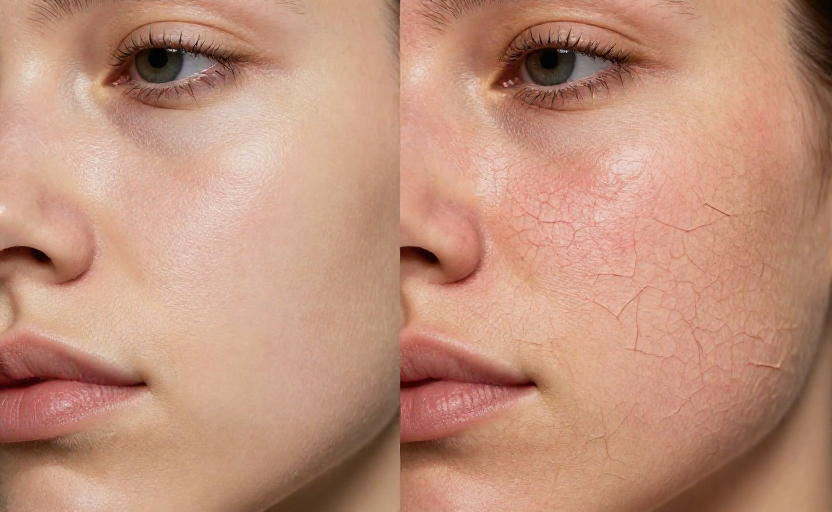
You apply moisturizer every day—maybe twice. But how do you really know it's doing its job? The answer lies in your skin barrier. When that barrier is strong, your skin looks calm, bouncy, and even. When it's compromised, no moisturizer in the world will seem to help. Here are four clear signs to help you tell the difference between a healthy skin barrier and one that needs repair.
Sign #1: Smooth Texture vs. Rough, Flaky Patches
A healthy skin barrier holds onto water and keeps irritants out. If your moisturizer is working, your skin should feel smooth to the touch and look supple. When the barrier is damaged, it loses moisture quickly. You might notice dry patches, flaking, or a rough, sandpaper-like texture—especially after washing your face.
Sign #2: Even Tone vs. Persistent Redness or Irritation
One of the most telling signs of a compromised barrier is chronic redness or blotchiness. A healthy barrier helps regulate inflammation. If your skin stings, burns, or feels irritated after applying even gentle products, that's a red flag. Your moisturizer should soothe, not aggravate. Persistent redness—especially in the cheeks or around the nose—often means the barrier is struggling.
Sign #3: Balanced Hydration vs. Oily Yet Dehydrated Skin
It sounds contradictory, but a damaged barrier can make your skin both oily and dehydrated. When the barrier is weak, water escapes (dehydration), and your skin overproduces oil to compensate. If your T-zone is shiny but your cheeks feel tight or crepey, your moisturizer may not be repairing the barrier effectively. Healthy skin maintains a balanced moisture level without that greasy-but-thirsty feeling.
Sign #4: Resilience vs. Frequent Breakouts or Stinging
A healthy barrier protects against bacteria and environmental stress. When it's compromised, you may find yourself breaking out more often—even in areas that are normally clear. Another clue: if your skin reacts to products you've used for years, or if tap water suddenly stings, your barrier is likely impaired. A working moisturizer helps restore that protective layer so your skin can tolerate your routine again.
Quick check: After cleansing, wait 30 minutes without applying anything. If your skin feels tight, flaky, or looks red, your barrier likely needs support—not just a heavier cream, but a moisturizer with ceramides, fatty acids, or niacinamide.
What to Look for in a Barrier-Supporting Moisturizer
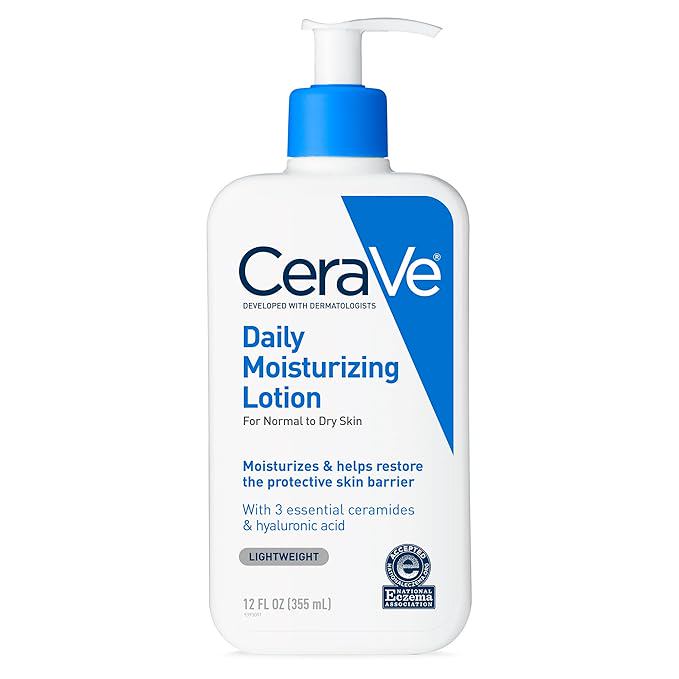
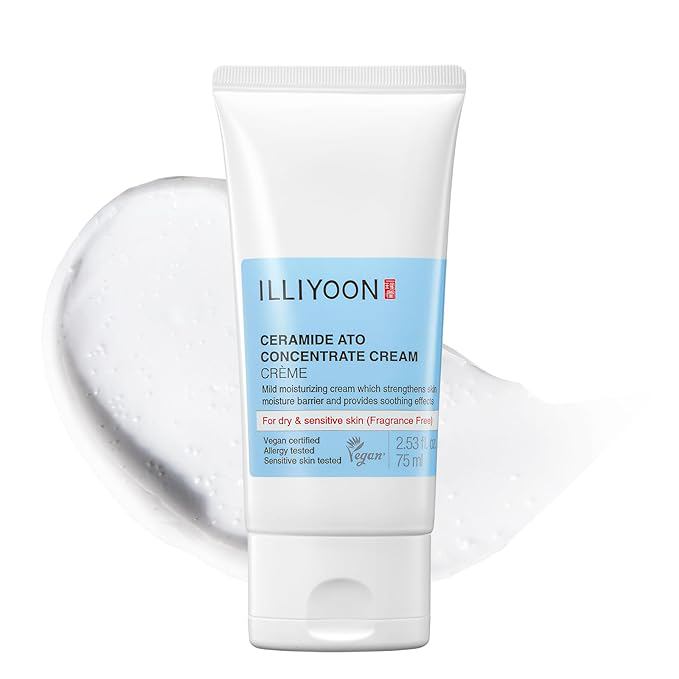
Not all moisturizers are created equal when it comes to barrier repair. Look for formulas that include ceramides (which mimic your skin's natural lipids), glycerin or hyaluronic acid for hydration, and soothing ingredients like niacinamide or oat extract. Avoid products with high levels of alcohol, fragrances, or harsh exfoliating acids while your barrier is healing.
If your moisturizer checks the boxes above and your skin feels calm, smooth, and hydrated throughout the day, it's working. If not, consider switching to a barrier-focused formula and giving it two to four weeks to see improvement.