
You know the feeling. It’s 3 p.m., your energy has plummeted, your focus is scattered, and a low-grade irritability has settled in. You might blame the afternoon slump or a busy morning, but have you considered what’s on your plate? The food you choose for lunch does far more than satisfy hunger—it directly influences your body’s stress response, shaping your mental clarity, emotional resilience, and physical energy for the rest of the day.
This isn't about restrictive dieting or labeling foods as 'good' or 'bad.' It's about understanding the physiological conversation between your meal and your nervous system. Some foods send signals of stability and support, while others can trigger a subtle, draining state of internal alarm. Let's explore how your midday meal can become a powerful tool for managing stress, not a hidden source of it.
The Gut-Brain Axis: Your Lunch’s Direct Line to Stress
To understand why lunch matters for stress, we need to look at the gut-brain axis—a constant, two-way communication network linking your digestive system and your brain. Your gut is lined with millions of neurons and is home to trillions of bacteria (your microbiome) that produce neurotransmitters, the very chemical messengers that regulate mood and stress, like serotonin and GABA.
What you eat directly influences the health of this ecosystem. A lunch rich in diverse fibers, antioxidants, and healthy fats nurtures a balanced microbiome, which in turn supports calm, focused brain signaling. Conversely, a meal high in refined sugars and processed fats can promote inflammation and disrupt this delicate communication, potentially amplifying feelings of anxiety and fatigue.
Think of your lunch as information for your nervous system. The quality of that information determines whether your body feels nourished and secure, or under threat and depleted.
Fueling Lunches: What Supports Your System
Fueling foods provide steady energy and the raw materials your body needs to modulate stress hormones like cortisol. They help maintain stable blood sugar, which is crucial because dramatic spikes and crashes are a significant physiological stressor, often manifesting as jitteriness followed by exhaustion.
Prioritize these elements for a stabilizing meal:
- Complex Carbohydrates: Think whole grains like quinoa, brown rice, or oats, as well as starchy vegetables like sweet potatoes. They break down slowly, providing a sustained glucose release that keeps energy and mood steady.
- Quality Protein: Sources like lentils, chickpeas, tofu, fish, or chicken provide amino acids that are building blocks for neurotransmitters. They also increase satiety, preventing the energy dive that comes from being hungry too soon.
- Healthy Fats: Avocado, nuts, seeds, and olive oil support brain health and help reduce inflammation, creating a more resilient baseline against stress.
- Colorful Plants: A variety of vegetables and some fruits are packed with vitamins, minerals, and antioxidants that combat oxidative stress—a type of cellular damage exacerbated by chronic stress.
Draining Lunches: What Can Amplify Stress
Some common lunch choices can inadvertently ask your body to work harder, contributing to that drained feeling. This isn't about guilt, but awareness.
Be mindful of meals that are:
- High in Refined Carbs and Sugar: The white bread sandwich, pasta dish, or sugary drink can cause a rapid spike in blood sugar. Your body responds with a surge of insulin, often leading to a sharp crash later. This rollercoaster triggers the release of cortisol and adrenaline, mimicking a stress response.
- Heavy in Fried or Highly Processed Foods: These are often high in inflammatory fats. Chronic, low-grade inflammation is linked to heightened stress reactivity and can impair the brain's ability to regulate mood.
- Low in Overall Nutrient Density: A meal that's mostly beige—lacking colorful vegetables and whole foods—provides calories but few of the micronutrients (like magnesium and B vitamins) that are actively used up during times of stress.
- Paired with Excessive Caffeine: That post-lunch espresso might seem like a fix, but too much caffeine can increase cortisol production and feelings of jitteriness, especially on an empty stomach or after a sugary meal.
Building Your Anti-Stress Plate
You don't need a complicated recipe. Aim for a simple, balanced template that incorporates the fueling principles.
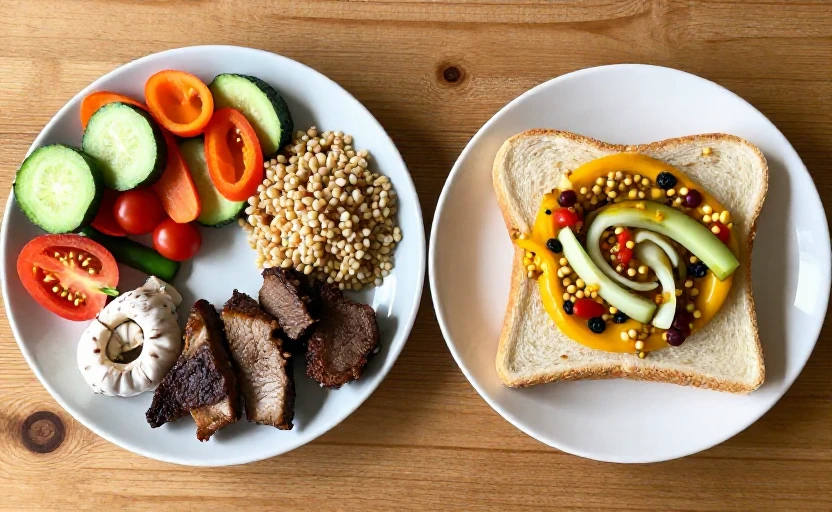
The Practical Formula: Fill half your plate with non-starchy vegetables (like a large salad, roasted broccoli, or sautéed greens). Dedicate a quarter to a quality protein source, and the final quarter to a complex carbohydrate. Add a thumb-sized portion of healthy fat like a drizzle of olive oil or a sprinkle of seeds.
This combination slows digestion, ensures a broad spectrum of nutrients, and prevents the blood sugar swings that underlie so much afternoon stress. Even making one swap—like choosing a whole-grain wrap instead of white bread, or adding a handful of spinach to your meal—shifts the information you're sending your body.
Beyond the Food: The Ritual of Lunch
How you eat is almost as important as what you eat. Eating while distracted at your desk, scrolling through stressful news, or rushing through a meal keeps your nervous system in a sympathetic ('fight-or-flight') state, impairing digestion and your ability to register fullness and satisfaction.
When possible:
- Step away from your work for even 10-15 minutes.
- Take a few deep breaths before you start eating to signal safety to your body.
- Chew slowly. Digestion begins in the mouth, and mindful eating improves nutrient absorption and satiety signals.
Your lunch is a daily opportunity to reset your system. By choosing foods that provide steady energy and reduce inflammatory triggers, and by consuming them in a calm state, you directly support your body's innate capacity to handle stress. Notice how you feel two hours after different types of meals. Let that awareness, not strict rules, guide you toward choices that leave you genuinely fueled and resilient, not secretly drained.