That persistent, maddening itch on your scalp can feel like a mystery. You’ve tried the right shampoos, perfect conditioners, and every soothing serum, yet the irritation lingers. For those with curly or coily hair, the puzzle is even more complex. The unique structure of your hair can make it more prone to dryness and sensitivity, and sometimes, the answer isn’t just in your hair care routine—it’s on your plate. The connection between diet and skin health is well-established, and your scalp is simply an extension of that skin. What you eat can directly influence inflammation, oil production, and overall scalp environment, potentially turning certain foods into triggers for that unwelcome itch.
Understanding this link is the first step toward finding relief. It’s not about drastic elimination diets or labeling foods as “bad,” but about becoming a detective for your own body. By identifying potential dietary contributors, you can make informed choices that support a calm, healthy scalp from the inside out, allowing your natural curls to thrive without distraction.
How Can Food Affect Your Scalp?
Your scalp is living tissue, rich in sebaceous glands and blood vessels. What you consume enters your bloodstream and can influence every part of your body, including this sensitive area. For some individuals, certain foods may:
- Promote Inflammation: Systemic inflammation can manifest on the skin, potentially worsening conditions like seborrheic dermatitis or psoriasis, which are common culprits of scalp itch.
- Trigger Histamine Release: Some foods can cause your body to release histamine, the same compound involved in allergic reactions, leading to itchiness and irritation.
- Alter Oil Production: Diet can influence the composition and amount of sebum (oil) your scalp produces. An imbalance can create an environment where yeast that naturally lives on the scalp (Malassezia) overgrows, leading to flaking and itch.
- Cause Direct Sensitivities: You might have a mild sensitivity or intolerance to a specific food that presents as a skin issue, including scalp discomfort, rather than digestive upset.
Think of your diet as the foundation of your hair’s health. You can build the most elaborate hair care routine on top, but if the foundation is shaky, you’ll keep encountering the same problems.
Potential Dietary Triggers for Scalp Itch
If you’re exploring the diet-itch connection, these are some common categories where potential triggers for sensitive individuals are often found. Remember, reactivity is highly personal; a food that bothers one person may be perfectly fine for another.
High-Sugar Foods and Refined Carbohydrates
Foods like sugary drinks, pastries, white bread, and processed snacks can cause rapid spikes in blood sugar. This spike can promote inflammation throughout the body and may also feed the yeast on your scalp, potentially exacerbating conditions like dandruff that come with intense itching.
Dairy Products
For some, dairy can be inflammatory. The proteins in milk, such as casein and whey, or the natural sugars, might trigger an immune response or influence hormone levels that affect oil glands. If you notice a correlation between dairy intake and increased scalp flare-ups, it may be worth observing more closely.
High-Histamine Foods
Histamine is a chemical involved in immune responses. Some foods are naturally high in histamine or can trigger your body to release it. These include aged cheeses, fermented foods (like sauerkraut, kimchi, and vinegar), smoked meats, alcohol (especially wine and beer), and certain fish like tuna and mackerel. For those with histamine intolerance, these can directly provoke itch.
Certain Cooking Oils
Oils high in omega-6 fatty acids, such as corn, soybean, sunflower, and vegetable oil blends, are common in processed and fried foods. While we need some omega-6s, an imbalance skewed heavily toward them over anti-inflammatory omega-3s can promote a state of inflammation that may affect the skin.
Common Allergens and Sensitivities
Top allergens like gluten (in wheat, barley, rye), soy, eggs, and nuts can, for a subset of people with sensitivities, cause systemic reactions that include skin irritation and itch. This doesn’t mean these foods are universally problematic, but they are common enough triggers to be aware of.
A Curly-Hair-Friendly Approach to Finding Balance
For curly hair, which is often drier and more fragile, a healthy scalp is non-negotiable. The goal isn’t to live in fear of food but to cultivate an eating pattern that supports hydration and reduces inflammation.
Start with observation, not elimination. Keep a simple log for a few weeks. Note what you eat and the state of your scalp itch (scale of 1-10). Patterns may emerge that point to specific triggers for you.
Focus on what to add in. Often, crowding out potential irritants with nourishing foods is more sustainable and positive. Prioritize:
- Omega-3 Rich Foods: Fatty fish (salmon, sardines), flaxseeds, chia seeds, and walnuts help fight inflammation.
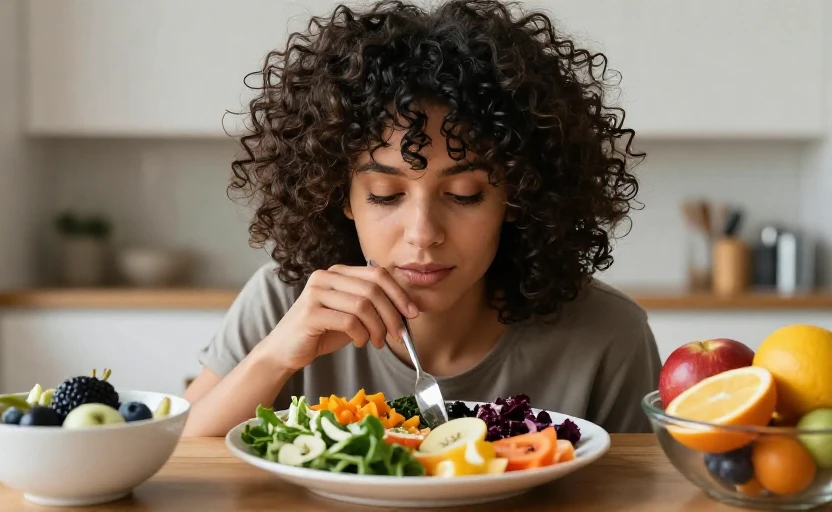
- Colorful Fruits and Vegetables: Packed with antioxidants and vitamins that support skin health. Think berries, leafy greens, and bell peppers.
- Adequate Hydration: Water is essential for every cellular function, including maintaining a healthy scalp barrier. Herbal teas can also contribute to fluid intake.
- Zinc and B-Vitamins: Foods like pumpkin seeds, lentils, and whole grains support skin repair and renewal.
Your journey is unique. A food that is a trigger during a period of high stress might be perfectly fine when you’re well-rested and hydrated. Listen to your body’s signals.
If you suspect a strong food sensitivity is at play, consider discussing it with a healthcare provider or a registered dietitian. They can help you explore an elimination diet safely and effectively to identify true triggers without creating nutritional gaps.
Ultimately, managing scalp itch is often a multi-faceted approach. Your diet is a powerful piece of that puzzle, working in tandem with a gentle hair care routine, stress management, and adequate sleep. By nourishing your body with intention, you create the optimal internal environment for your scalp to calm and your beautiful curls to flourish, free from distraction.