When you’re doing everything you think is right for your body after having a baby—taking your prenatal vitamin, eating well, trying to rest—the last thing you expect is to see more hair in your shower drain. Yet many new mothers experience a puzzling increase in shedding, and sometimes the culprit is hiding in plain sight: the very supplement you’re taking to support your health.
The postpartum period is naturally marked by a shift in hair cycles. Around three to six months after delivery, many women notice significant shedding as estrogen levels drop and hair follicles shift from the growing phase into the resting and shedding phases. This is a normal, temporary process called telogen effluvium. But if your hair loss seems excessive or prolonged, it’s worth looking at what you’re putting into your body—especially your daily supplements.
Could your prenatal or multivitamin be making shedding worse?
It sounds counterintuitive, but certain nutrients can contribute to hair loss when taken in high doses. For example, excessive vitamin A or selenium—both common in pregnancy and postnatal supplements—can trigger shedding. The body needs these nutrients, but more is not always better. When levels become too high, the hair growth cycle can be disrupted, leading to telogen effluvium.
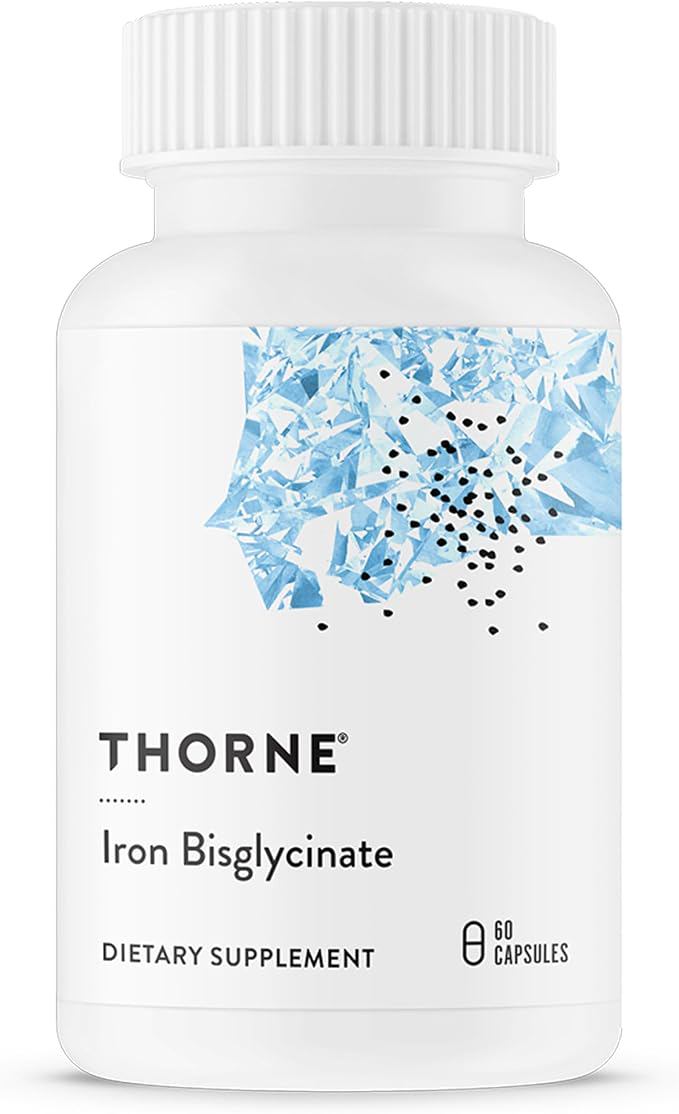
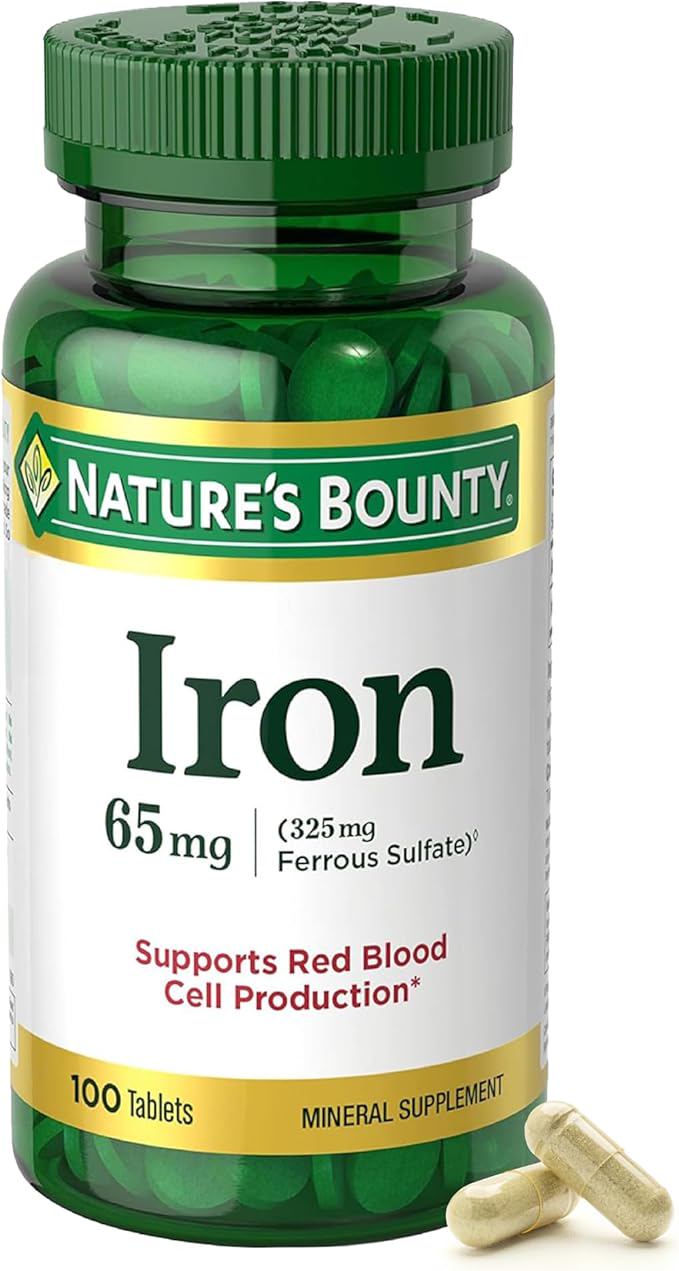
Many women continue taking their prenatal vitamin long after giving birth, thinking it’s still necessary. While some nutrients like iron and B vitamins remain important during breastfeeding, the doses of other ingredients may now be excessive for your postpartum body. It’s also possible that a supplement contains biotin or other hair-supporting ingredients that, while generally safe, may not be appropriate in high amounts for your specific situation.
The postpartum mistake that’s easy to overlook
The most common mistake is assuming that all supplements are harmless and that more support means better hair. In reality, the postpartum body has very different needs from the pregnant body. Continuing to take a high-dose prenatal without checking the formula can lead to nutrient imbalances that actually worsen shedding. Another frequent misstep is starting a new “hair growth” supplement without consulting a healthcare provider, which might interact with your existing vitamins or add unnecessary ingredients.
It’s also important to remember that supplements are just one part of the picture. Postpartum hormones, stress, sleep deprivation, and nutritional changes all play a role. If your diet is already providing adequate vitamins and minerals, adding more through pills may not help—and could even backfire.
What to do if you suspect your supplement is causing hair shed
If you’re noticing increased shedding and you take a daily supplement, the first step is to review the label. Check for high levels of vitamin A (often listed as retinol or beta-carotene), selenium, or iodine. Look at the serving size—some supplements recommend multiple capsules per day, which can increase the risk of overdoing it.
Talk to your doctor or a registered dietitian about whether your current supplement is still appropriate for your stage of postpartum recovery. They can check your nutrient levels through blood work and recommend a more tailored approach. In many cases, switching to a basic multivitamin designed for non-pregnant adults—or stopping supplementation altogether if your diet is balanced—can reduce shedding within a few months.
A good rule of thumb: If your supplement label contains more than 5,000 IU of vitamin A or more than 55 micrograms of selenium, consider whether you really need those amounts at this stage.
Other factors that contribute to postpartum hair loss
While supplements can be part of the issue, they’re rarely the only cause. Hormonal fluctuations, stress, and nutritional gaps like low iron or vitamin D are also common. If you’re breastfeeding, your body’s nutrient demands are higher for certain minerals, but that doesn’t mean you need every vitamin in high doses.
Gentle scalp massage, a balanced diet rich in protein and healthy fats, and reducing heat styling can support your hair during this period. But the most important step is to rule out or correct any supplement-driven imbalances. Sometimes, less truly is more.
If your hair loss continues beyond six months postpartum or is accompanied by other symptoms like fatigue, skin changes, or weight fluctuations, see a healthcare provider to rule out thyroid disorders or other underlying conditions.