
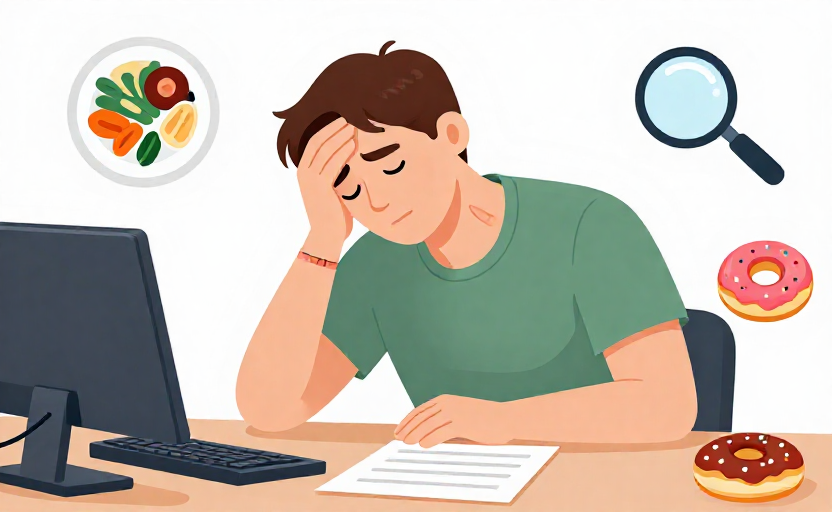
That feeling of dragging yourself through the day, the mental fog that won’t lift, the need for a nap just to make it to dinner—it’s easy to write off persistent fatigue as a byproduct of a busy life or poor sleep. But sometimes, that exhaustion is more than just being tired. It can be a central clue that your body’s energy management system, led by the hormone insulin, is starting to struggle.
This state, known as insulin resistance, is a condition where your cells don’t respond well to insulin’s signal to absorb glucose from your blood. Your pancreas then pumps out more insulin to compensate. It’s a stealthy process, often developing for years before blood sugar levels rise into the prediabetes or type 2 diabetes range. The fatigue you feel isn’t just in your head; it’s a physiological signal that your cells aren’t getting the efficient fuel they need, despite plenty of sugar circulating in your bloodstream.
How can you tell the difference between normal tiredness and something more?
Ordinary fatigue typically has a clear cause—a late night, a stressful week, recovering from illness—and improves with rest. The fatigue linked to insulin resistance feels different. It’s more persistent, often unexplained, and coexists with other subtle bodily changes. Learning to recognize these patterns is the first step toward understanding what your body is communicating.
1. Energy Crashes, Especially After Meals
This is a hallmark sign. You eat a meal, particularly one rich in carbohydrates like pasta, bread, or even a large portion of rice, and instead of feeling energized, you hit a wall. An overwhelming sense of sleepiness, brain fog, or a need to lie down descends within an hour or two after eating.
What’s happening: When you’re insulin resistant, your body releases a large amount of insulin to handle the incoming glucose. This can lead to a rapid drop in blood sugar (reactive hypoglycemia) or simply a inefficient processing of energy. The result is a crash, not a sustained lift. You might find yourself constantly reaching for coffee or a sugary snack just to get through the afternoon slump.
If your energy consistently plummets after eating, it’s worth paying attention to what’s on your plate and how your body responds.
2. Persistent Belly Fat and Weight Gain (Especially Around the Midsection)
Weight gain, particularly visceral fat that accumulates around your abdomen, is both a cause and a consequence of insulin resistance. It’s a frustrating cycle. Excess fat, especially around the organs, releases inflammatory substances that worsen insulin resistance. In turn, high insulin levels promote the storage of more fat, particularly in the belly area.
This isn’t about body image; it’s about metabolic health. Visceral fat is biologically active and directly interferes with insulin signaling. If you notice your waistline expanding despite no major changes in diet or activity, or if you find weight loss is inexplicably difficult, it could be a sign of underlying insulin dysregulation.
3. Intense Cravings for Carbohydrates and Sweets
Cravings are more than a lack of willpower; they’re powerful biological drives. With insulin resistance, the cycle of high insulin and subsequent blood sugar dips sends strong hunger signals to your brain, specifically for quick-energy foods like carbs and sugar.
It feels like a physical need, not just a want. You may think about food constantly, find it hard to feel satisfied after a meal, or feel “hangry” (hungry and angry) if you go too long without eating. This is your body, confused by the mixed signals of high blood sugar and cellular starvation, demanding more of the very fuel it can’t process well.
4. Skin Changes and Dark Patches
Your skin can be a visible messenger of internal metabolic shifts. One common sign is a condition called acanthosis nigricans. This presents as darkened, velvety patches of skin, often in body folds and creases like the back of the neck, armpits, and groin.
This darkening is not dirt or a simple rash; it’s a skin pigment response to higher levels of insulin in the bloodstream. It’s one of the more specific physical signs that often prompts a healthcare provider to check for insulin resistance. Other skin signs may include skin tags in similar areas.
What to Do If These Signs Feel Familiar
Recognizing these signs is not a diagnosis, but a reason to start a conversation. Insulin resistance is a modifiable condition. The goal of identifying it early is to take supportive steps that can improve your cells’ sensitivity to insulin, often dramatically.
Begin by scheduling a visit with your doctor or a healthcare provider. They can review your symptoms, family history, and perform simple tests. These often include:
- Fasting Blood Glucose: Measures your blood sugar after not eating for several hours.
- Hemoglobin A1c: Provides an average of your blood sugar levels over the past two to three months.
- Fasting Insulin: Directly measures the amount of insulin in your blood, which can be high even if blood sugar is still in the “normal” range.
These tests together paint a clearer picture than any one test alone.
Lifestyle Approaches That Support Insulin Sensitivity
Management focuses on daily habits that help your body use insulin more effectively. Think of it as tuning up your metabolic engine.
Movement is non-negotiable. Muscle is your largest organ for burning glucose. Activity doesn’t have to mean marathon training. Consistent, daily movement is key. A brisk 20-30 minute walk after a meal can significantly blunt the blood sugar spike from that meal. Strength training is especially powerful, as it builds the muscle that acts as a storage depot for glucose.
Look at your plate differently. The goal isn’t extreme restriction, but strategic balance. Prioritize:
- Fiber-rich foods: Vegetables, legumes, and whole grains slow the absorption of sugar.
- Healthy fats and lean proteins: Avocado, nuts, seeds, fish, and poultry help create satiety and stabilize blood sugar.
- Mindful carbohydrate choices: Pair carbs with protein, fat, or fiber. Choose whole fruit over juice, sweet potatoes over fries.
Sleep and stress matter deeply. Chronic stress elevates cortisol, a hormone that raises blood sugar. Poor sleep disrupts the hormones that regulate hunger and satiety, increasing cravings. Prioritizing sleep and finding a sustainable stress-relief practice—like meditation, time in nature, or deep breathing—are direct supports for metabolic health.
Fatigue is a common complaint, but its persistence alongside other signs like belly fat, cravings, and energy crashes warrants a closer look. By understanding the language of insulin resistance, you can move from feeling mystified by your low energy to taking informed, supportive steps for your long-term vitality.