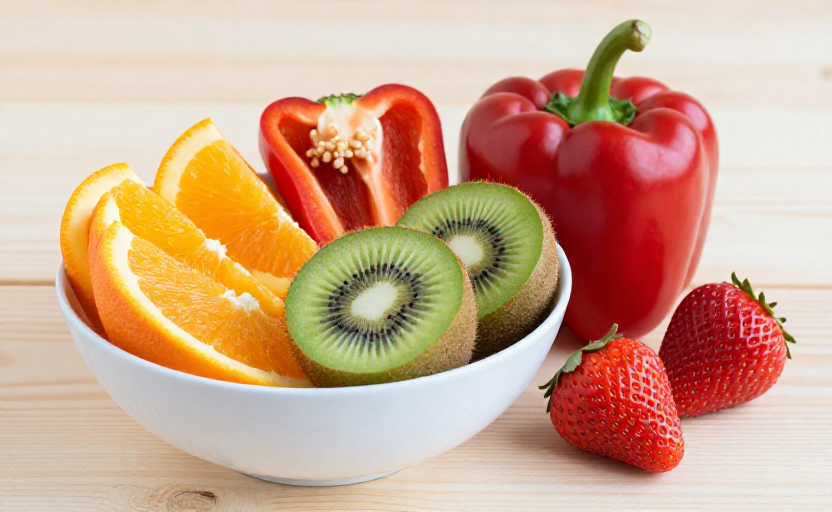
Dark spots, sun damage, and post-inflammatory hyperpigmentation can feel stubborn, but the foods you eat may play a supporting role in recovery. Vitamin C is well-known in skincare serums, yet getting this nutrient from whole foods offers distinct advantages for skin health. When we eat vitamin C-rich foods, the body uses the nutrient to help regulate melanin production and protect skin cells from oxidative stress. This article explains how dietary vitamin C supports hyperpigmentation recovery, what foods to prioritize, and how to pair them for better absorption.
How Does Vitamin C Affect Melanin and Dark Spots?
Hyperpigmentation happens when excess melanin forms deposits in the skin. Vitamin C is a natural brightening agent because it inhibits the enzyme tyrosinase, which is essential for melanin synthesis. By slowing this enzyme, dietary vitamin C can help prevent new dark spots from forming and may gradually reduce the appearance of existing discoloration. In addition, vitamin C is a potent antioxidant that neutralizes free radicals caused by UV exposure and pollution, two major triggers of hyperpigmentation. When skin cells are protected from oxidative damage, the skin's natural repair process works more efficiently, leading to a more even tone over time.
Which Foods Are Highest in Vitamin C for Skin Recovery?
To support hyperpigmentation recovery, focus on whole foods that deliver vitamin C along with complementary nutrients. Citrus fruits like oranges, grapefruits, and lemons are obvious choices, but many other options provide equal or greater concentrations. Here are some of the most effective sources:
- Kakadu plums — one of the highest natural sources of vitamin C in the world
- Acerola cherries — a concentrated form often found in powdered supplements or whole fruit
- Bell peppers — particularly red and yellow varieties, which contain more vitamin C than green peppers
- Broccoli and Brussels sprouts — cruciferous vegetables that pair vitamin C with sulforaphane for additional skin-protective benefits
- Strawberries and kiwifruit — berries that also contain ellagic acid, which may help prevent pigmentation from UV exposure
- Papaya and pineapple — tropical fruits that offer vitamin C plus enzymes that support skin exfoliation and renewal
A quick tip: Eating a colorful mix of raw or lightly cooked vegetables and fruits each day provides a steady supply of vitamin C. Because the body doesn't store vitamin C, consistent intake matters more than occasional large doses.
Does Cooking Affect Vitamin C Content in Foods?
Vitamin C is heat-sensitive and water-soluble, so cooking methods matter. Boiling vegetables can cause significant losses of vitamin C because the nutrient leaches into the water. To preserve more of the vitamin, consider steaming, stir-frying briefly, or eating produce raw when possible. For example, adding raw bell pepper strips to a salad or eating citrus segments fresh ensures you receive the maximum vitamin C content. If you do cook vegetables, use minimal water and keep cooking times short. Another strategy is to incorporate vitamin C-rich foods into cold preparations, such as salsas, smoothies, or fresh fruit bowls.
Can Pairing Vitamin C with Other Nutrients Enhance Its Effects?
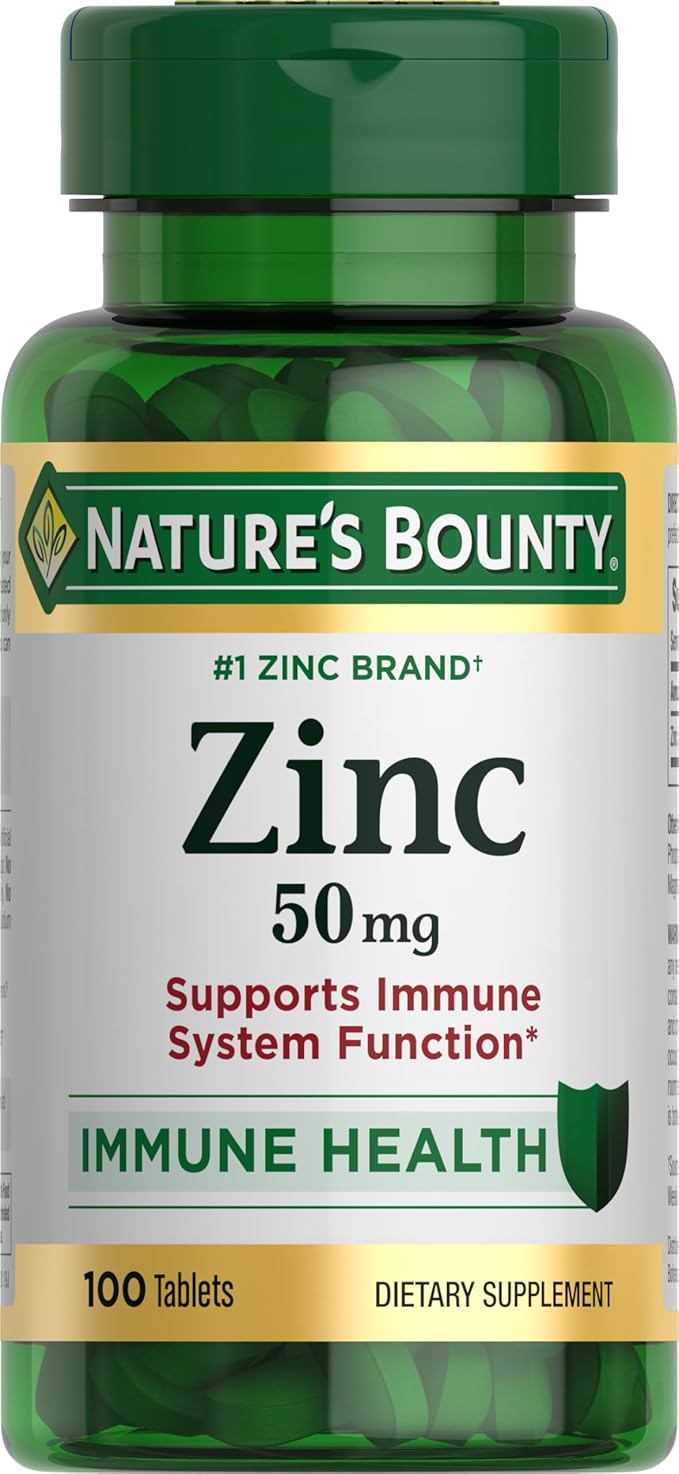
Yes. Vitamin C works synergistically with several other nutrients to improve skin health and pigmentation recovery. One of the most important pairings is vitamin C with vitamin E, a fat-soluble antioxidant found in nuts, seeds, and avocados. Studies suggest that vitamin C and vitamin E work together to regenerate each other's antioxidant capacity, providing stronger protection against UV-induced pigmentation. Another key combination is vitamin C with zinc, a mineral that supports wound healing and can help reduce post-inflammatory hyperpigmentation from acne. Zinc is found in pumpkin seeds, chickpeas, and lean meats, so combining a handful of seeds with an orange makes a logical snack. Finally, bioflavonoids, which are abundant in the white pith of citrus fruits and in berries, can enhance the absorption and activity of vitamin C, so eating the whole fruit is better than drinking juice alone.
How Long Does It Take to See Results from Dietary Vitamin C?
Improving hyperpigmentation through diet is not an overnight process. Most people can expect subtle improvements after about four to six weeks of consistent intake, with more noticeable changes after three to six months. The skin's natural renewal cycle takes approximately 28 to 40 days, so dark spots fade only as new skin cells replace older pigment-laden ones. It is also important to manage expectations: dietary vitamin C is most effective for preventing new pigmentation and gradually lightening existing spots, but it may not fully erase deep or long-standing hyperpigmentation. Sun protection remains a critical companion to any dietary approach, as UV exposure stimulates melanin production and can counteract the benefits of vitamin C.
Are There Any Risks or Side Effects of Eating High-Vitamin C Foods?
For most people, getting vitamin C from food is safe and well-tolerated. The body excretes excess water-soluble vitamin C through urine, so toxicity from food sources is rare. However, some individuals with a history of oxalate kidney stones should be cautious with high-dose vitamin C supplements, as the body can convert excess vitamin C into oxalate. This risk is much lower with food sources, because whole foods provide the nutrient in smaller, balanced amounts along with other compounds that reduce stone risk. If you have a medical condition affecting iron metabolism (such as hemochromatosis), be aware that vitamin C enhances iron absorption, so eating large quantities of high-vitamin C foods with iron-rich meals may increase iron uptake. For general wellness, a varied diet rich in fruits and vegetables is the safest and most effective way to support hyperpigmentation recovery.
Remember: Healthy skin is a reflection of overall health. Pair your vitamin C-rich diet with consistent sun protection, adequate sleep, and gentle skincare for the best results.