Most people think of UV damage and digital eye strain as separate problems—one happens outdoors, the other indoors. But they share a surprising common trigger: a daily habit that exposes your eyes to both intense light and prolonged, close-up focus.
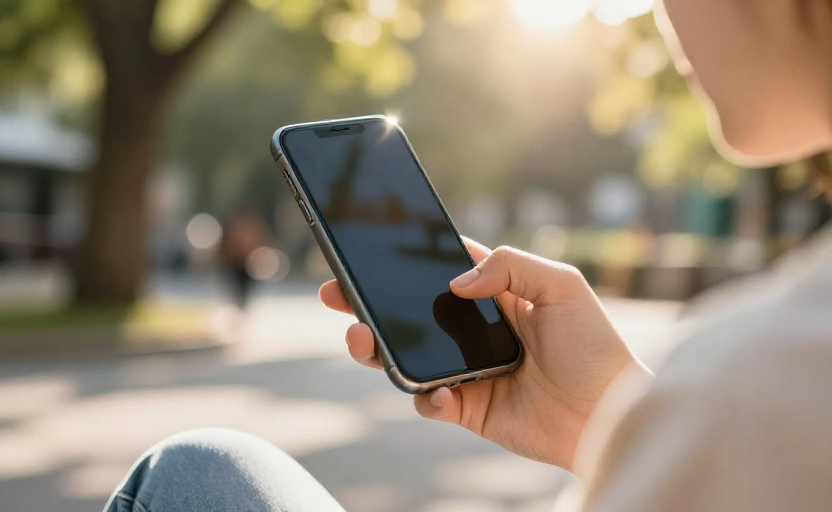
That habit is the way we use screens, especially smartphones and laptops, in bright outdoor or indoor lighting conditions. When you check your phone in direct sunlight or work on a laptop near a window, your eyes get hit with a double whammy: high-energy visible (HEV) blue light from the screen and UV radiation from the environment. Over time, this repeated combination can accelerate visual fatigue and may contribute to long-term eye health concerns.
How UV and screen time team up
Ultraviolet light from the sun is known to damage the cornea, lens, and retina over years of unprotected exposure. What’s less discussed is that many people also receive significant UV exposure while using screens outdoors or in brightly lit cars—because they’re not wearing sunglasses or a hat. Meanwhile, the blue light from the screen forces the eyes to work harder to focus, especially against a bright background. The result is a compound effect: your eyes are fighting glare from the environment while straining to maintain sharp focus on the display.
A 2020 study in Clinical Ophthalmology found that people who used digital devices for more than four hours a day reported higher rates of dryness, irritation, and blurred vision—and those who did so outdoors fared worse than indoor-only users. The reason is that outdoor light levels can be 50 to 100 times brighter than typical indoor lighting, causing you to squint, lean closer, and blink less frequently.
The same afternoon commute that gives your skin extra sun exposure is also working your eyes harder than you realize.
Why your smartphone is the hidden link
Your phone’s screen is designed to be visible in bright conditions, which means it pumps out more blue light when the ambient light is strong. Many phones automatically boost brightness outdoors. While this helps you see the screen, it also increases your exposure to HEV light, which has been linked to retinal cell stress in laboratory studies. The American Academy of Ophthalmology notes that there is no conclusive evidence that blue light from screens causes permanent eye damage, but it is a known contributor to digital eye strain.
What’s more, the habit of checking your phone every few minutes—whether you’re waiting for a bus, sitting in a park, or walking down a sunlit street—means your eyes are constantly switching between far-field focus (the environment) and near-field focus (the screen). This rapid accommodative shifting fatigues the ciliary muscles inside the eye, leading to headaches, soreness, and a temporary inability to focus clearly.
The outdoor screen trap
It’s easy to think that UV exposure only happens during leisure time at the beach. But a significant portion of daily UV accumulation comes from routine activities: walking the dog, eating lunch on a patio, or driving. If you’re also on your phone during these moments, you’re essentially doubling the optical stress. UV rays bounce off concrete, sand, water, and even car dashboards, reaching your eyes from multiple angles. Meanwhile, your screen forces a fixed gaze that reduces blink rate from about 15 blinks per minute to 5 or fewer. Less blinking means less tear film distribution, leading to dry spots and irritation.
Practical steps to break the cycle
You don’t need to give up your phone or avoid the outdoors. Instead, small adjustments can reduce the cumulative load on your eyes.
- Wear UV-blocking sunglasses every time you’re outside for more than a few minutes, even on overcast days. Wraparound styles or large lenses reduce peripheral UV that regular prescription glasses may miss.
- Use a matte screen protector or anti-glare film on your phone and laptop. These reduce the reflective light that forces your eyes to work harder.
- Enable night mode or a blue-light filter on your devices during non-peak sun hours. While this won’t eliminate UV, it reduces the high-energy visible light that contributes to strain.
- Follow the 20-20-20 rule: every 20 minutes, look at something 20 feet away for 20 seconds. This eases accommodative fatigue and re-establishes natural blinking.
- Adjust your environment: position workstations perpendicular to windows, not facing them. Use blinds or sheer curtains to diffuse outdoor light rather than blocking it entirely.
Who should be most concerned
People who spend four or more hours daily on digital devices and also have outdoor commutes, jobs, or hobbies are at the highest risk for compounded eye fatigue. This includes remote workers who take calls in the garden, delivery drivers who rely on phone navigation, parents who scroll while watching kids at the playground, and office workers seated near large windows without UV-protective glazing.
Contact lens wearers may feel the effects sooner because lenses can trap dryness and reduce oxygen flow to the cornea, making them more vulnerable to surface irritation from UV and reduced blink rate.
When to see an eye doctor
Occasional eye strain is normal. But if you regularly experience persistent headache, blurred vision that doesn’t resolve after resting your eyes, increased sensitivity to light, or a sensation of grit or sand in your eyes, it’s time for a comprehensive eye exam. An optometrist can check for early signs of UV-related conditions such as pterygium (a growth on the eye’s surface) or cataracts, and can recommend prescription lenses with built-in UV and blue-light protection.
Understanding how UV exposure and eye strain feed off the same habit is the first step to protecting your vision. The fix isn’t radical—it’s about being deliberate about when, where, and how you look at your screen. A few simple changes in your daily routine can make a lasting difference for both your comfort and your long-term eye health.