Most of us know the sun can age us. But the link between a beach afternoon and the crepey skin that shows up years later can feel abstract. It’s not magic or bad luck—it’s a slow, cellular process that starts every time UV light hits your skin. This practical explainer walks through exactly how UV damage creates fine lines and what that means for your daily routine, without the scare tactics or unpronounceable jargon.
Think of your skin like a high-end mattress. The top layer (the quilted surface) you see and touch. The layers below—collagen and elastin—are the springs and support foam that keep everything smooth and bouncy. UV radiation, especially UVA rays that penetrate deeply, slowly dissolves those internal supports. You don’t feel it happening, but decade by decade, the springs sag and the foam gets brittle. That’s exactly how fine lines form: not from the surface alone, but from the weakening structure beneath.
The two types of UV rays and how they affect your skin differently
Ultraviolet radiation is split into two main wavelengths that matter for skin aging: UVA and UVB. UVB burns the top layer (the epidermis) and is the main culprit behind sunburns. UVA goes deeper, into the dermis where your collagen and elastin live. Both contribute to fine lines, but UVA is the persistent, year-round aggressor that penetrates clouds and windows. That’s why you can get aging damage even on overcast days or while sitting in a car.
When UVA hits those deeper layers, it triggers something called photoaging. The skin’s repair systems get overwhelmed, and over time, the damage accumulates faster than the body can fix it. The result? Thinner skin, less elasticity, and the start of fine lines around the eyes, mouth, and forehead.
Collagen breakdown: the structural collapse behind every fine line
Collagen is the protein scaffold that gives skin its firmness. UV exposure doesn’t just break existing collagen down—it also prevents your body from making new, healthy collagen. Enzymes called matrix metalloproteinases (MMPs) spike after sun exposure. These enzymes are like tiny scissors that snip collagen fibers into fragments. The skin tries to repair the mess, but the new collagen it produces is often disorganized and less functional, like a rushed patch job on a torn sweater.
This breakdown doesn’t happen overnight. A single day of unprotected sun exposure triggers MMP activity that lasts for hours. Over months and years, those snipped fibers add up. The skin loses its support, and the fine lines that first appear as temporary dehydration creases become etched in permanently.
Elastosis: when elastic fibers go rogue
Elastin gives your skin the ability to stretch and snap back, like a rubber band. Under too much UV stress, elastin fibers start to accumulate in clumps and become dysfunctional. This process is called solar elastosis, and it shows up as yellowed, leathery, finely wrinkled skin—especially on the back of the neck (sometimes called “farmer’s neck”) and the cheeks.
When the elastin isn't working correctly, the skin can’t bounce back from facial expressions or sleep creases. That’s why people who spend years in the sun without protection often develop deeper, more numerous fine lines earlier than those who protect their skin. The lines themselves may look like tiny cracks or more obvious folds, depending on the location and depth of the damage.
Why some areas show fine lines first
Not all skin is equally vulnerable. The thin skin around your eyes, upper lips, and the sides of your neck has less underlying fat and fewer oil glands. That means it’s naturally thinner and less able to repair UV damage. These areas also get a lot of direct sun exposure because they’re often missed by sunscreen or hat brims.
Additionally, these zones are subjected to repetitive motion—squinting, smiling, talking. UV damage weakens the skin’s structural support, so those repeated expressions eventually crease the weakened tissue more easily. The result is the classic crow’s feet, lip lines, and forehead lines that many people notice first.
Free radicals and oxidative stress: the inside story
UV light doesn’t just break down proteins physically. It also generates unstable molecules called free radicals in your skin cells. This oxidative stress damages cell membranes, DNA, and the lipids that keep your skin barrier healthy. When the barrier is compromised, water evaporates faster, leaving the skin dehydrated. Dehydrated skin makes fine lines look more pronounced—even if the deeper structure is still fairly intact.
That’s one reason why you can get temporary wrinkles after a long day in the sun that smooth out with moisturizer. But if UV exposure continues without protection, those temporary lines become permanent structural ones.
Practical takeaway: Sun protection isn’t about fear—it’s about preserving what you have. Every time you apply sunscreen or wear a hat, you’re essentially telling your collagen, “Not today, UV.”
How long does it take for UV damage to turn into a visible fine line?
There’s no single timeline because skin type, genetics, and sun habits all play a role. But a general rule is that photoaging becomes visibly noticeable after about 10 to 20 years of cumulative sun exposure. The fine lines you see in your 40s or 50s often started forming in your 20s. That’s why people who spent their teenage years sunbathing or using tanning beds sometimes notice premature lines in their early 30s.
What you can actually do about it (besides sunscreen)
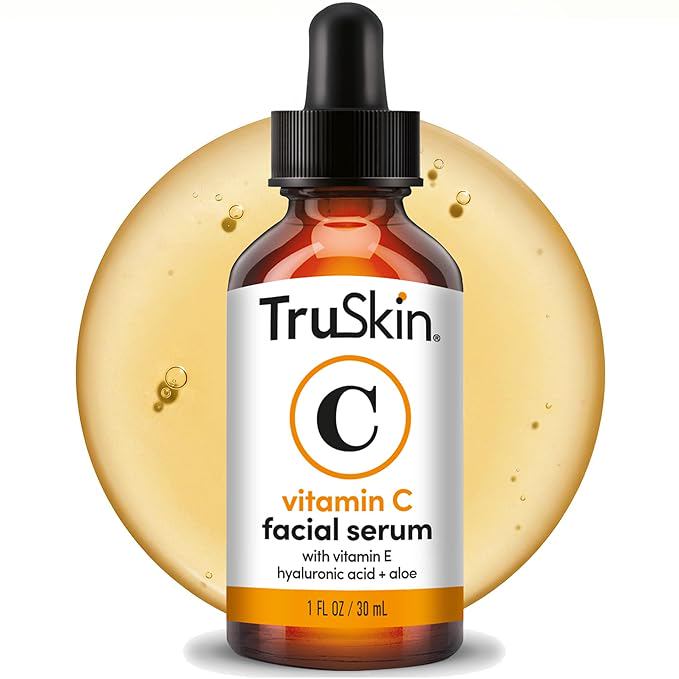
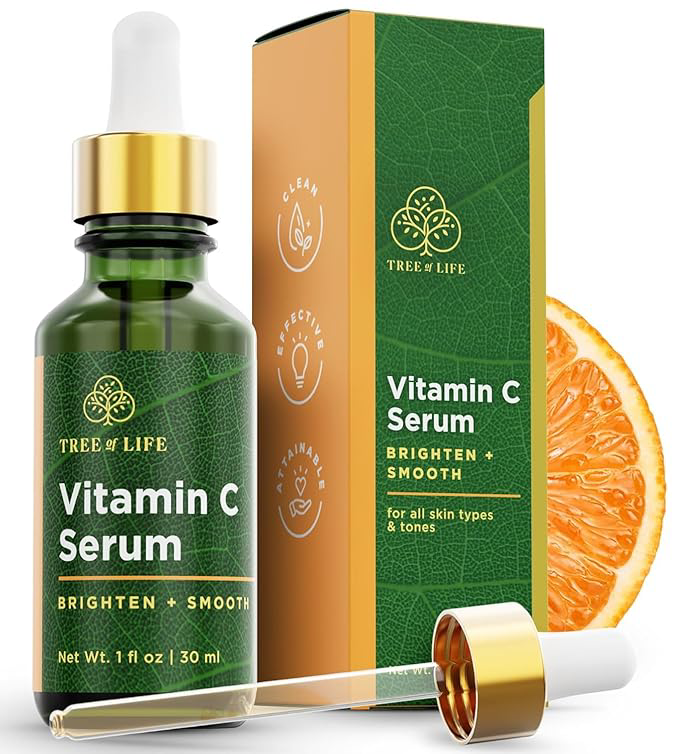
Sunscreen is the foundation, but it’s not the only step. Broad-spectrum SPF 30 or higher that protects against both UVA and UVB is essential. Reapplication every two hours when you’re outside matters—one morning application won’t carry you through the afternoon. Beyond that, antioxidants like vitamin C serums can help neutralize some of the free radical damage before it leads to permanent changes.
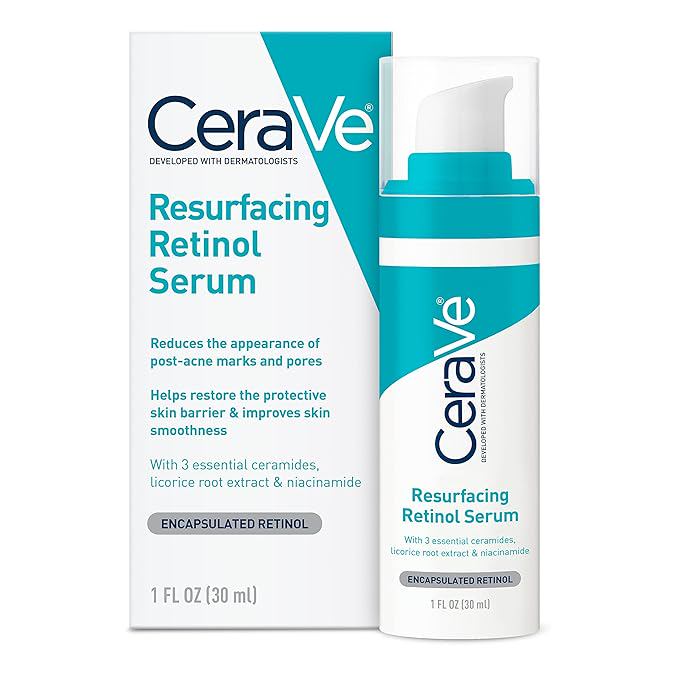
If you already have UV-related fine lines, topical retinoids (retinol creams) can stimulate collagen production in the top layers of skin. They don’t undo deep damage, but they can improve the overall texture and reduce the appearance of fine lines over time. Moisturizers with ingredients like ceramides and hyaluronic acid help plump the surface temporarily, making lines less noticeable.
Protective clothing—wide-brimmed hats, UPF-rated shirts, and sunglasses—blocks UV physically without the worry of missing a spot during sunscreen application. And seeking shade during peak hours (10 a.m. to 4 p.m.) reduces total UV exposure significantly.
The bottom line is that UV damage to skin is cumulative and largely invisible until it’s not. Understanding the process behind how fine lines form gives you the power to make small, consistent choices that add up. You don’t need to live in a bunker—just treat your skin’s support system like the precious resource it is.