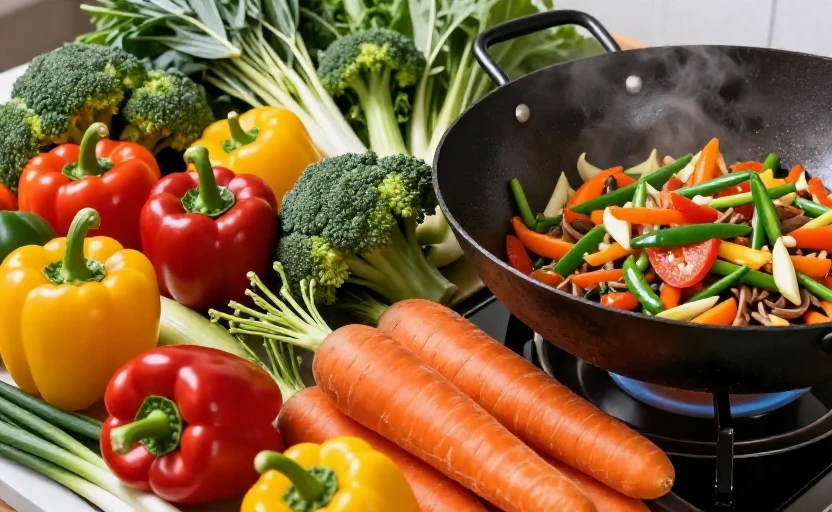
There’s a quiet magic to a well-made stir-fry. It’s the sizzle in the pan, the vibrant colors, and the promise of a meal that feels both nourishing and effortless. When you build that meal around the rhythm of the seasons, something clicks. You’re not just cooking; you’re working with ingredients at their peak—sweeter, crisper, and more flavorful. This approach turns a simple weeknight dinner into a celebration of what’s fresh right now.
For vegetarians, seasonal vegetables are the cornerstone of a dynamic kitchen. They provide endless variety, ensuring your stir-fries never feel repetitive. The goal here isn’t to follow a rigid recipe, but to learn a flexible framework. Once you have it, you can create fast, fresh meals with whatever your local market or garden offers.
Why Seasonal Vegetables Make the Best Stir-Fries
Choosing vegetables in season is the first step toward a superior stir-fry. Produce harvested at its prime simply tastes better. A summer zucchini has a delicate sweetness; a fall carrot is profoundly earthy. This inherent flavor means you need less sauce and seasoning to create a satisfying dish.
Seasonal eating also naturally rotates your nutrients. The deep greens of spring (asparagus, peas) give way to the hydrating, sun-ripened fruits of summer (bell peppers, tomatoes), followed by the sturdy, grounding squashes and roots of autumn. Your body gets a diverse array of vitamins and antioxidants throughout the year.
Think of your wok or skillet as a canvas, and seasonal vegetables as your ever-changing palette of colors and textures.
Finally, it’s often more economical. When there’s a bounty of a particular vegetable, prices tend to drop. This makes it easy to buy extra for a large stir-fry or to prep and store for later in the week.
The Essential Stir-Fry Framework: Your Blueprint for Success
Forget memorizing specific recipes. A successful vegetarian stir-fry is built on a simple, reliable structure. Master this, and you can improvise with confidence.
1. The Aromatics (The Flavor Foundation): This is where your stir-fry gets its personality. Begin by heating a neutral oil with a high smoke point (like avocado or peanut oil) in your wok or large skillet. Add minced garlic, grated ginger, or sliced scallions. Let them sizzle for just 30-60 seconds until fragrant—this infuses the oil and sets the stage.
2. The Main Vegetables (The Star Players): Add your harder, denser vegetables first. These need more time to cook. Think seasonal items like:
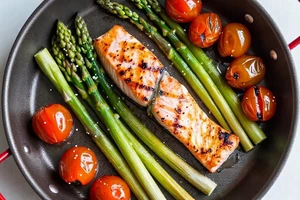
- Spring/Summer: Asparagus (trimmed and cut), broccoli florets, cauliflower, snap peas.
- Fall/Winter: Carrots (sliced), Brussels sprouts (halved), cubed butternut squash, sliced parsnips.
Stir-fry them for 3-4 minutes until they begin to soften and brighten in color.
3. The Quick-Cook Vegetables (The Supporting Cast): Next, toss in vegetables that cook in a flash. This includes:
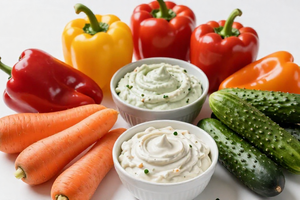
- Spring/Summer: Zucchini slices, bell pepper strips, cherry tomatoes, spinach.
- Fall/Winter: Thinly sliced cabbage, kale (stems removed), mushrooms.
Cook for another 2-3 minutes, just until they’re tender-crisp.
4. The Sauce & Finish (The Harmony): Push the vegetables to the side. In the space you’ve created, quickly pour in your sauce—a simple mix of low-sodium soy sauce or tamari, a touch of maple syrup or agave, and a splash of vegetable broth or water often works beautifully. Let it bubble for a moment, then toss everything together to coat. Finish with a squeeze of fresh lime or lemon juice, or a sprinkle of toasted sesame seeds or chopped herbs.
Seasonal Pairings and Simple Sauce Ideas
To make this framework come alive, here are a few seasonal combinations and easy sauces to try.
For a Spring Stir-Fry
Combine asparagus, snap peas, and baby bok choy. For a light, bright sauce, whisk together two tablespoons of low-sodium soy sauce, one tablespoon of rice vinegar, a teaspoon of grated ginger, and a teaspoon of maple syrup. Finish with chopped fresh mint or basil.
For a Summer Stir-Fry
Try a mix of bell peppers, zucchini, sweet corn kernels, and cherry tomatoes. A simple sauce of soy sauce, a touch of lime juice, and a pinch of smoked paprika complements the sweetness beautifully. Fresh cilantro makes a perfect garnish.
For a Fall Stir-Fry
Cube some butternut squash (you can pre-roast it slightly for tenderness), add sliced Brussels sprouts and shiitake mushrooms. A heartier sauce of soy sauce, a dab of miso paste, and a splash of orange juice works wonderfully. Garnish with green onions.
Your sauce should enhance, not drown, the natural flavors of your seasonal vegetables. Start with a small amount—you can always add more.
Tips for the Fastest, Freshest Results
A great stir-fry is as much about technique as ingredients. These small steps make a big difference.
Prep Everything First: This is non-negotiable. Chop all your vegetables, mix your sauce, and have your aromatics ready before you turn on the heat. Stir-frying happens quickly, and there’s no time to stop and chop.
Cut for Even Cooking: Slice your vegetables into uniform sizes and shapes. This ensures everything cooks at the same rate, so you don’t end up with some pieces raw and others mushy.
Use High Heat: A very hot pan is key. It sears the vegetables quickly, locking in flavor, color, and nutrients while achieving that desirable tender-crisp texture.
Don’t Overcrowd the Pan: If you add too much at once, the pan temperature plummets, and the vegetables will steam instead of fry. Cook in batches if necessary for the best texture.
Embracing seasonal vegetables transforms stir-frying from a routine task into a creative, responsive practice. It connects your cooking to the time of year, brings maximum flavor to your table with minimal effort, and ensures your vegetarian meals are always varied and vibrant. The next time you’re at the market, let what looks freshest guide you, and let your wok do the rest.