When period cramps hit, it can feel like your lower abdomen is in a vice grip. For many teens, the instinct is to curl up in a ball and wait for the pain to pass. But while rest is important, two of the most effective, drug-free tools for relief are actually heat and gentle movement. This guide explains how to use both safely and effectively, so you can get back to feeling like yourself.
Why heat works for menstrual cramps
Cramps happen because the muscles in your uterus are contracting to shed their lining. These contractions squeeze blood vessels, which temporarily reduces oxygen flow to the tissue—and that causes pain. Applying heat to your lower belly or lower back helps in two ways. First, it relaxes the smooth muscles of the uterus, reducing the intensity of the contractions. Second, it increases blood flow to the area, which helps flush out the built-up chemicals that trigger pain signals.
A heating pad, a hot water bottle wrapped in a towel, or even a warm bath can provide noticeable relief within 20 to 30 minutes. A 2018 review of studies found that topical heat is as effective as ibuprofen for some people in managing period pain, with fewer side effects.
Safety note: Always place a cloth or towel between your skin and a heating pad to prevent burns. Never fall asleep with a heating pad directly on your body.
Does movement actually help—even when you don't feel like moving?
It can feel counterintuitive to exercise when you're curled up with cramps, but gentle movement actually helps ease the pain. Physical activity releases endorphins—your body's natural pain relievers and mood elevators. Endorphins also help lower levels of stress hormones like cortisol, which can make muscle tension and pain worse.
Light exercise improves circulation throughout your pelvis, which can reduce the severity of cramps. The key word here is gentle. You don't need to run a mile or do high-intensity interval training. In fact, that may backfire if you're already fatigued. Instead, think of movement as a way to loosen up tight muscles and nudge your body toward relaxation.
Best types of movement for period cramp relief
- Walking — A 10- to 15-minute walk around your house or neighborhood gets blood flowing without jarring your body. Focus on swinging your arms and breathing deeply.
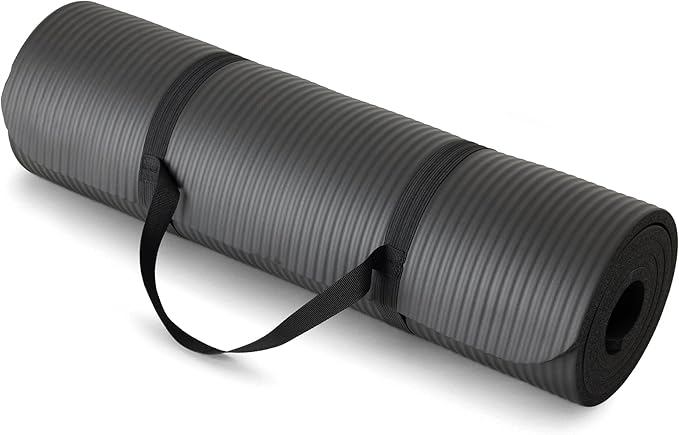
- Gentle yoga — Poses like Child’s Pose (Balasana), Cat-Cow, and Reclining Bound Angle Pose (Supta Baddha Konasana) stretch the pelvic floor and lower back, which can reduce cramping. If you don't know these poses, look up a 10-minute “yoga for cramps” video online.
- Stretching — Simple forward folds, seated twists, and hip openers help release tension in the low back and hips, where many people hold stress during their period.
How to combine heat and movement for best results
You don't have to choose one or the other. A simple sequence can give you the benefits of both:
- Start with heat. Apply a heating pad or take a warm shower for 10–15 minutes to loosen up tight muscles.
- Move gently afterward. While your muscles are still warm, do 5–10 minutes of gentle yoga or a slow walk. The heat will have reduced the initial pain, making movement feel more comfortable.
- Reapply heat if needed. After moving, sit or lie down with your heating pad again to encourage continued relaxation.
When to see a doctor
While period cramps are normal, very severe pain is not. If heat and movement don't help, or if your cramps regularly keep you from school or activities, talk to a trusted adult about seeing a gynecologist or healthcare provider. They can check for conditions like endometriosis or fibroids and discuss other pain-management options, including hormonal birth control or prescription anti-inflammatories.
Practical tips for teens
- Plan ahead. Keep a heating pad or hot water bottle in your room. If you're at school, some nurses have heat packs available.
- Use a period tracker app. Knowing when your period is coming lets you schedule lighter activity and prepare your supplies.
- Stay hydrated and eat anti-inflammatory foods. Warm tea, water, and snacks like berries or nuts can support your body's natural pain response.
- Listen to your body. Some days, a 5-minute stretch is all you can do, and that's okay. Pushing through severe pain isn't helpful.
Heat and movement are powerful, accessible tools that put you in control of your own comfort. They won't erase every cramp, but used together, they can make your period a whole lot more manageable.