Protein treatments are a staple for many naturalistas — they can strengthen strands, improve elasticity, and reduce breakage. But sometimes, instead of healing your hair, a protein treatment can actually make things worse. If you have noticed more shedding, brittle strands, or unexpected snaps after using a protein masque or conditioner, you are not imagining it. Too much protein can cause a condition known as protein overload, which leaves natural hair feeling stiff, dry, and prone to breakage.
The tricky part is that protein overload often mimics other issues, like simple dryness or heat damage. This guide will help you identify the telltale signs, differentiate protein problems from moisture problems, and get your curls back into balance — all without needing a fancy chemistry degree.
What does protein overload look like on natural hair?
When your hair has absorbed more protein than it can hold, the strands start to lose flexibility. Instead of gently stretching and snapping back, they become rigid. The most common symptoms include:
- Excessive breakage or shedding — especially noticeable after detangling or styling.
- Dry, brittle feel — hair that normally feels soft now feels rough or straw-like.
- Lack of elasticity — when you gently stretch a wet strand, it may snap quickly rather than stretching 20–30% before returning to its original length.
- Stringy or limp curls — your defined curl pattern may go missing or look uneven and irregular.
- Tangling — when the outer cuticle layer gets rough, strands catch on each other much more easily.
- Dull appearance — hair loses its natural shine, even after a deep condition.
If your hair feels like dried-out straw even after a deep conditioning session, protein overload is a likely culprit.
The quick test to tell if it is protein, not just dryness
Figuring out whether your hair is suffering from too much protein or simply not enough moisture can be confusing. A quick stretch test can help.
Take a single strand of wet hair and gently pull it. If it stretches to about 20–30 percent of its length and then snaps or springs back, your protein-moisture balance is probably good. If it stretches and keeps stretching without returning to its original length, you likely have a moisture deficiency and need more hydration. But if the strand snaps almost immediately, with little to no stretch at all — that is a strong sign of protein overload.
Another clue comes from how your hair feels after a wash and deep condition. Hair that is simply dry usually responds well to a moisturizing conditioner. Hair in protein overload may feel worse after a protein-rich deep conditioner — stiffer, tanglier, and more brittle.
Common culprits: How does protein build up in the first place?
Natural hair is naturally more fragile, so it is easy to see why protein treatments get recommended often. But overuse, combined with other protein-boosting products, can quickly tip the scales.
- Incorrect frequency — using a strong protein treatment every week when your hair only needs it once a month (or less).
- Product stacking — using a protein shampoo, protein leave-in, and a protein styler all in the same routine. The additives can add up.
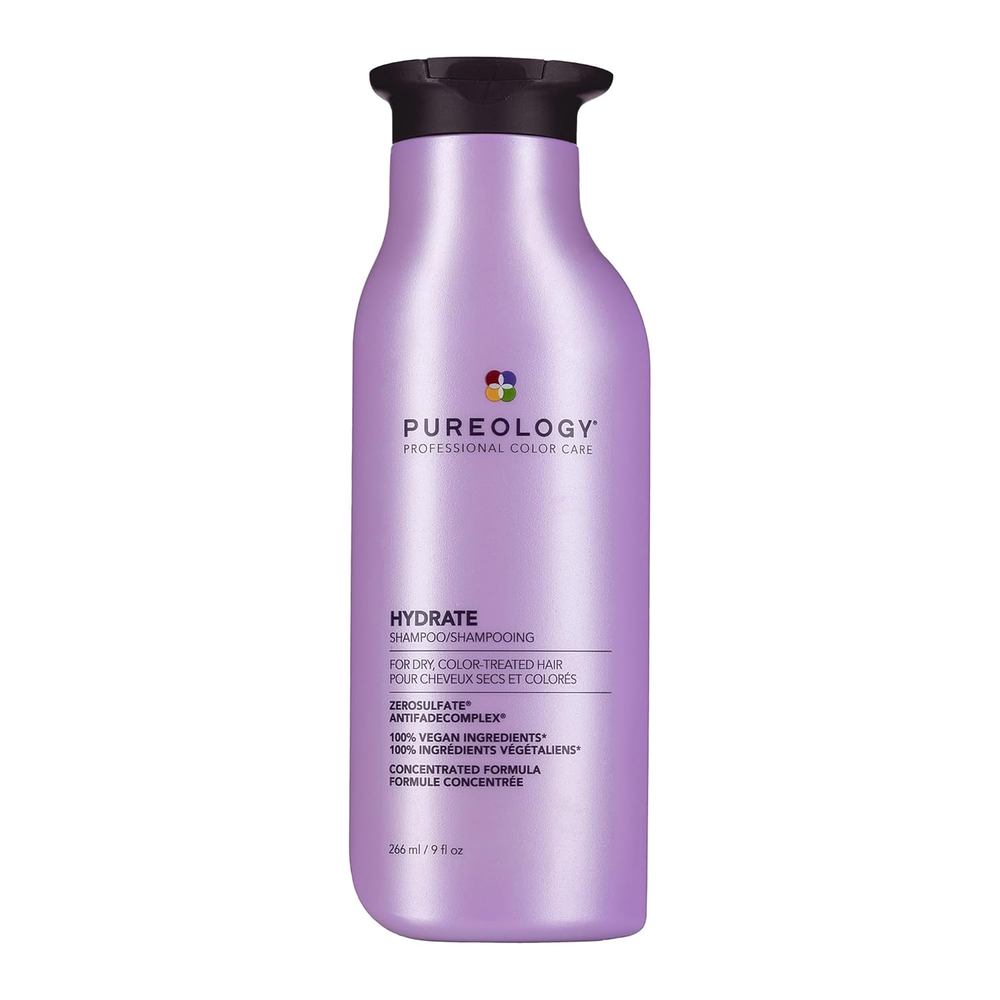
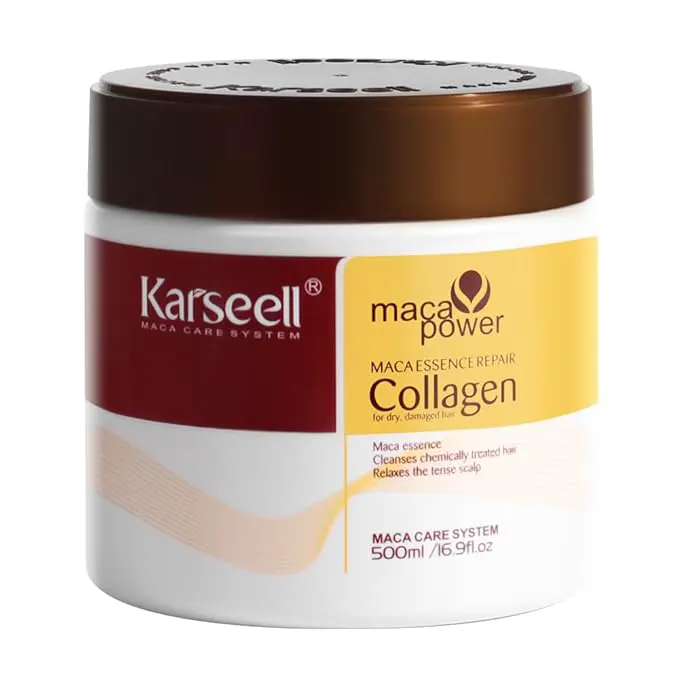
- Hydrolyzed protein overload — many conditioners, leave-ins, and curl creams now contain hydrolyzed wheat, soy, keratin, or collagen. Check labels carefully.
- Low-manipulation routines — while protective styling helps, it can also give breakage from protein overload a chance to go unnoticed until it becomes severe.
Curls that are fine, high-porosity, or color-treated are especially prone to protein overload, because these hair types already have a weakened structure and may not need much additional strengthening.
What to do if your hair is breaking from too much protein
1. Stop all protein products immediately
This includes protein treatments, conditioners, stylers, and shampoos that list hydrolyzed protein, keratin, amino acids, or collagen high on the ingredient list. The goal is to let the existing protein settle out naturally.
2. Wash with a gentle, moisturizing shampoo
Clarifying can help remove some of the surface buildup, but avoid harsh sulfates that can strip your hair and worsen breakage. A gentle sulfate-free cleanser followed by a moisturizing deep conditioner is the safest first step.
3. Focus on moisture — and only moisture
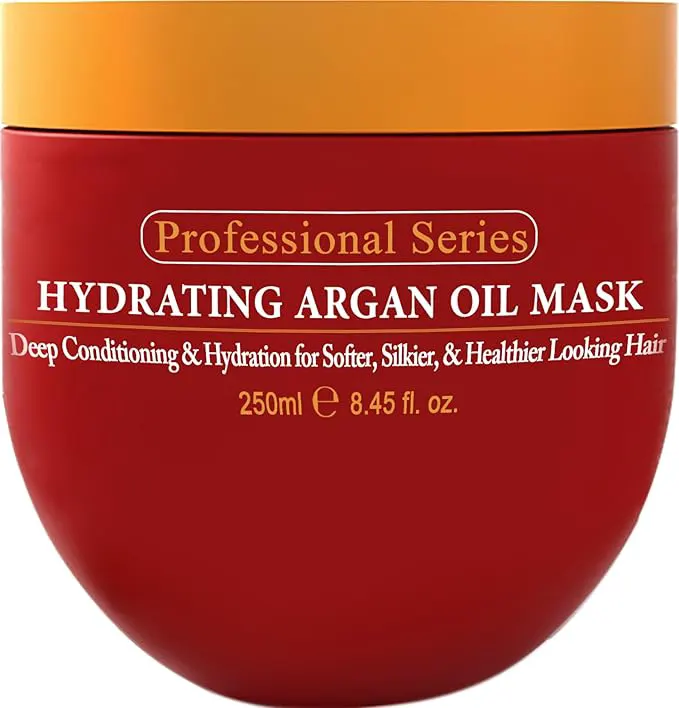
Deep condition with a water-based, protein-free mask for 20–30 minutes with heat (if your hair can handle it). Ingredients like aloe vera, glycerin, and honey help draw moisture back into the strands. Rinse with cool water to help seal the cuticle.
4. Use the LOC or LCO method with protein-free creams
After washing, apply a water-based leave-in, then a cream or butter, then a sealant oil — but confirm every product in your rotation is free of protein. This layered hydration will help restore flexibility over time.
5. Give it time
Your hair will not bounce back in one wash day. It can take two to six weeks of consistent moisture-focused routines to restore the optimal protein-moisture balance. During that time, avoid heat styling and limit manipulation.
How to prevent protein overload in the future
The safest approach is to rotate your treatments. Use a protein treatment only when your hair shows signs that it truly needs strengthening — like excessive stretchiness, limp curls, or breakage from over-manipulation — rather than scheduling it as a weekly ritual. Stick to a protein treatment once every 4–8 weeks for most natural hair types, and always follow it with a deep moisture treatment afterward.
Reading product labels is the simplest preventive habit. If a product lists hydrolyzed ingredients in the first five to ten items, it is a protein-heavy product. Mix it with plenty of moisture-rich products to keep the balance.
Natural hair thrives on a healthy protein-to-moisture ratio. Watch for brittleness, sudden shedding, and zero elasticity after a treatment — those are the clearest red flags. With the right adjustments, your curls can regain their strength and softness without sacrificing the protective benefits that protein provides.