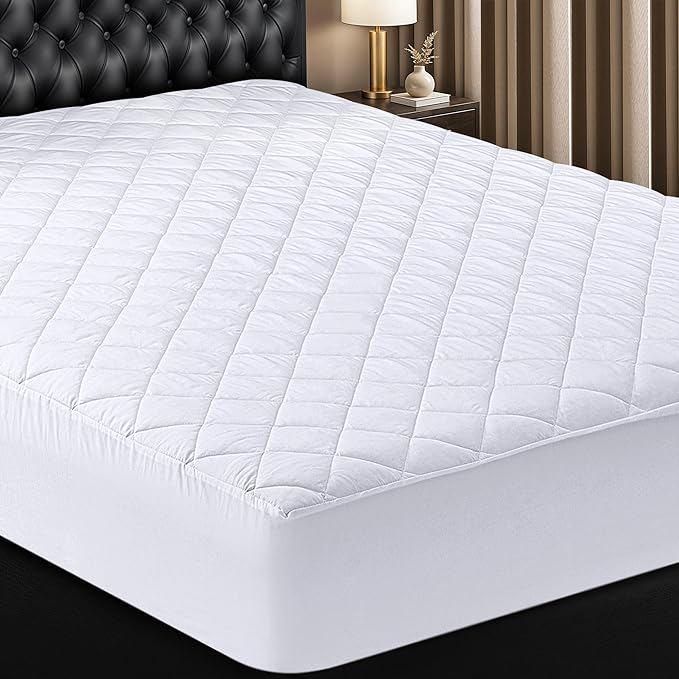

You might be getting eight hours of shut-eye, but are you waking up feeling truly rested? Many of us accept a low-grade, daily fatigue as normal, when in fact our sleep habits have quietly slipped off track. Sleep hygiene isn't just about going to bed early; it's the full set of routines and environmental cues that tell your brain it's safe to power down. When those cues start breaking down, your body sends clear signals. Here's how to spot the signs that your sleep hygiene needs a reset, and what to do about it.
You Rely on a Weekday Alarm Clock (and Hit Snooze Repeatedly)
If your alarm is the only thing that pries you out of bed each morning, your sleep schedule may be off. A consistent bedtime and wake-up time train your body's internal clock, or circadian rhythm. When that rhythm is in sync, you should wake up naturally at roughly the same time each day without needing an alarm. Hitting the snooze button fragments your last cycle of REM sleep, leaving you groggier than if you got up at the first ring. This is a classic warning sign that your sleep debt is higher than you think.
Your Bedroom is a Multi-Purpose Room
Do you check emails, watch TV, eat dinner, or scroll through social media while lying in bed? If so, your brain has stopped associating your bed exclusively with sleep. Good sleep hygiene means your bedroom should be a sanctuary for rest and intimacy only. When you work or browse in bed, you create a mental link between your pillow and alertness. The result? You climb into bed feeling tired but find your mind won't shut off. A simple reset is to remove all screens from the bedroom and reserve the bed for sleep alone.
You Feel Sleepy During the Day (Even After a Full Night)
It's normal to feel a dip in energy in the early afternoon, but persistent daytime sleepiness—the kind where you struggle to keep your eyes open during a meeting or while driving—is a red flag. This can indicate that your sleep quality is poor, even if you log enough hours. Factors like an inconsistent bedtime, a mattress that's too old, or consuming caffeine too late in the day can prevent you from reaching deep, restorative stages of sleep. If you're using caffeine to power through the afternoon, it may be masking a deeper sleep hygiene problem.
You Can't Fall Asleep Within 15-20 Minutes of Hitting the Pillow
Lying awake for hours, staring at the ceiling, is not just frustrating—it's a direct signal that your pre-sleep routine isn't working. Your body needs a wind-down period, often called a "buffer zone," of at least 30–60 minutes before bed. This means turning off bright lights, putting away phones, and avoiding stimulating activities (like intense exercise or heated arguments). If you consistently take longer than 20 minutes to fall asleep, your brain hasn't gotten the signal that it's time to rest. A reset might involve a warm bath, reading a physical book, or a few minutes of deep breathing.
You Wake Up Frequently During the Night
Waking up once or twice to use the bathroom is normal. But if you're waking up multiple times and struggling to get back to sleep, your environment or habits could be to blame. Common disruptors include a room that's too warm (the ideal sleep temperature is around 65°F or 18°C), light leaking in from curtains, or noise from a pet or partner. Alcohol can also cause fragmented sleep. While a nightcap may help you fall asleep initially, it often leads to wakefulness in the second half of the night. Tracking your wake-ups can help you pinpoint the cause.
How to Reset Your Sleep Hygiene
If any of these signs sound familiar, a reset doesn't require an overhaul. Start with small, consistent changes:
- Anchor your schedule: Go to bed and wake up at the same time every day, including weekends. This is the single most powerful change you can make.
- Curb late-night light: Dim the lights in your home an hour before bed. Use blue-light blocking glasses or apps on your devices.
- Watch what you consume: Avoid caffeine after 2 p.m. Limit alcohol and heavy meals within three hours of bedtime.
- Create a wind-down ritual: Develop a 30-minute pre-sleep routine that is relaxing and screen-free—like gentle stretching, journaling, or listening to calm music.
- Optimize your environment: Make sure your room is dark, quiet, and cool. Consider blackout curtains, a white noise machine, or a fan.
A reset takes time. Your brain needs about two weeks to adjust to a new routine. Be patient with yourself, and watch for gradual improvements in your energy, mood, and overall health.