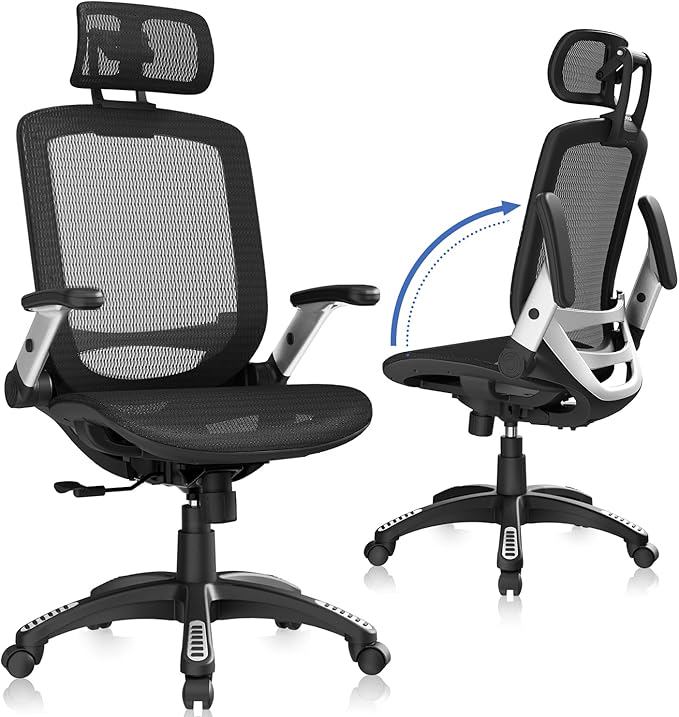

You might not think of your desk chair as a threat to your well-being, but spending hours each day sitting—whether for work, commuting, or leisure—can quietly drain your energy, mood, and motivation. Burnout isn't just for overworked executives or healthcare heroes; it can creep up on anyone whose daily rhythm has become too still. The good news is that when you know what to look for, you can catch the early warning signs before they turn into full-blown exhaustion.
Recognizing burnout from a sedentary routine starts with paying attention to how your body and mind react to your normal day. The cues are often subtle at first: a growing sense of dread about opening your laptop, a persistent heaviness in your shoulders, or the feeling that even small tasks require a major effort. Let's walk through the most common indicators and what they mean.
Physical signals your body is sending
Your body often sends the first distress signals when you've been sedentary for too long. These aren't just aches from poor posture—they reflect a deeper imbalance. Common early physical signs include:
- Chronic low-back or neck tension that doesn't go away with a quick stretch. When you sit for extended periods, the muscles in your hips, glutes, and lower back can tighten and weaken, pulling your spine out of alignment.
- Frequent headaches—especially tension headaches that start at the base of your skull. Hours of looking at a screen without moving your head can lock up your upper trapezius and suboccipital muscles.
- Unexplained fatigue even after a full night's sleep. Your body's metabolic and circulatory systems rely on movement to deliver oxygen and nutrients. Without it, you may feel sluggish and heavy by mid-afternoon.
- Digestive discomfort like bloating or constipation. Sluggish physical movement can slow your digestive tract, leaving you feeling uncomfortable after meals.
If you notice two or more of these on a regular basis, it's worth stepping back to assess how much time you're spending in a seated position—and how little you're moving throughout the day.
Mental and emotional red flags
Burnout from a sedentary routine doesn't just feel physical; it shows up in your thoughts and emotions, too. Watch for these psychological patterns:
- Brain fog—difficulty concentrating, forgetting small tasks, or feeling like you're reading the same sentence three times. Movement stimulates blood flow to the brain, and without it, your cognitive sharpness can dull.
- Irritability that seems out of proportion. You might snap at a partner or coworker over something minor, or feel a low-level annoyance for no clear reason. Physical stillness can trap stress hormones like cortisol in your system, leaving you on edge.
- Loss of interest in activities you used to enjoy. When your routine becomes a loop of sitting, working, and scrolling, your brain gets fewer novelty and reward signals, which can flatten your enthusiasm for hobbies or social plans.
- Feeling detached or numb—a sense of going through the motions without real engagement. This is one of the earliest hallmarks of burnout, and it often goes unnoticed until someone else points it out.
One simple check-in: Ask yourself at the end of the day, "Did I feel fully present for at least one thing I did today?" If the answer is no for several days in a row, your routine may be quietly wearing you down.
Behavioral changes that signal trouble
Your actions can reveal burnout before your conscious mind catches up. Common behavioral shifts include:
- Increased procrastination on tasks you once handled easily. Starting work or household chores feels like pushing through mud.
- Relying more on caffeine, sugar, or alcohol to get through the day or wind down at night. These are short-term fixes that can mask fatigue and disrupt sleep.
- Skipping movement entirely—even the short walk you used to take at lunch feels like too much effort.
- Sleep changes: either trouble falling asleep despite being exhausted, or sleeping longer but waking up unrefreshed.
These behaviors often create a loop: the less you move, the more tired and unmotivated you feel, so you move even less. Breaking that cycle is key to reversing burnout early.
When to take action
The earlier you recognize these signs, the easier they are to address. If you're noticing a combination of physical tension, mental fatigue, and behavioral withdrawal, consider these next steps:
- Incorporate micro-movements into your day. Stand up during phone calls, stretch for two minutes every hour, or take a five-minute walk after meals. These small breaks accumulate.
- Reassess your workspace. A chair that doesn't support your posture or a screen that's too low can amplify tension. Simple adjustments—like raising your monitor or using a lumbar cushion—can reduce strain.
- Set boundaries around screen time. Designate tech-free zones or times, especially in the hour before bed.
- Listen to your body's rhythm. If you consistently hit a slump at 3 p.m., use that time for a movement break rather than pushing through with caffeine.
Burnout from a sedentary routine doesn't require a major lifestyle overhaul. Often, the most effective changes are small, consistent adjustments that reintroduce movement and awareness into your day. Paying attention to the early signs is the first step toward building a routine that supports your health instead of draining it.