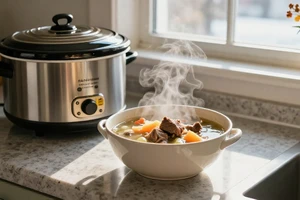

Meal prepping with a slow cooker can feel like a cheat code for busy weeks, but there is a common worry: does all that gentle heat slowly steal the nutrients from your food? The short answer is no—when done right, slow cooking can actually help you retain vitamins and minerals that other cooking methods might destroy. The key is knowing a few simple rules about timing, liquid, and ingredient order.
This guide walks through practical strategies to batch-cook slow cooker meals that stay flavorful, safe, and packed with the good stuff your body needs. No complicated science—just real, repeatable steps that work for soups, stews, chilis, and more.
Does Slow Cooking Destroy Nutrients?
Every cooking method affects nutrients to some degree, but slow cookers have a reputation for being particularly gentle. Because the cooking temperature is relatively low (usually between 170°F and 280°F), water-soluble vitamins like vitamin C and some B vitamins do degrade over time. However, slow cookers use less water than boiling, and the liquid that does leach out vitamins stays in the pot as part of the dish. That means those nutrients end up in your bowl, not down the drain.
Fat-soluble vitamins (A, D, E, K) and minerals are much more stable at slow cooker temperatures. The bigger risk is overcooking certain vegetables until they become mushy and nutritionally depleted. With a few timing adjustments, you can keep texture and nutrients intact.
Layer Ingredients for Maximum Nutrition Retention
The order in which ingredients go into the pot matters more than you might think. Root vegetables and tougher cuts of meat need the longest cooking time, so they go in first. Delicate vegetables like zucchini, spinach, peas, or fresh herbs should be added during the last 30 to 60 minutes of cooking. This simple change preserves their vitamin content and stops them from turning into a soft, gray paste.
If you are prepping several days' worth of meals, consider undercooking vegetables slightly. They will continue to soften when you reheat portions, so starting them a little firmer ensures they remain palatable by day three or four.
Watch Your Liquid Levels
Slow cookers trap steam, so they require far less liquid than stovetop cooking. Excess water can leach more water-soluble vitamins out of food, and it can also dilute the flavor. A good rule is to fill the pot no more than two-thirds to three-quarters full, and only add enough broth, water, or sauce to barely cover the ingredients. If you are using frozen vegetables or meats, remember they release water as they thaw during cooking—adjust your liquid accordingly.
When reheating prepped meals, avoid microwaving in large amounts of added water. Instead, reheat gently on the stove or in the microwave with a splash of broth or the cooking liquid already in the portion. This recycles whatever vitamins have migrated into the liquid.
Preserve Heat-Sensitive Nutrients
Some nutrients are notoriously fragile. Vitamin C, for example, starts breaking down at around 86°F (30°C) and is mostly gone after prolonged heat. Folate and thiamine are also heat-sensitive. To keep these in your diet, consider adding a fresh element to your slow cooker meals just before serving. A handful of fresh spinach stirred into a stew right before eating, a squeeze of lemon juice on a chicken dish, or a sprinkle of fresh herbs add a nutritional boost that the slow cooker didn't touch.
Alternatively, you can prep the components separately: cook grains or legumes in the slow cooker and add raw or lightly steamed greens directly to the serving bowl. This hybrid approach gives you both convenience and nutrient density.
Portion and Store with Care
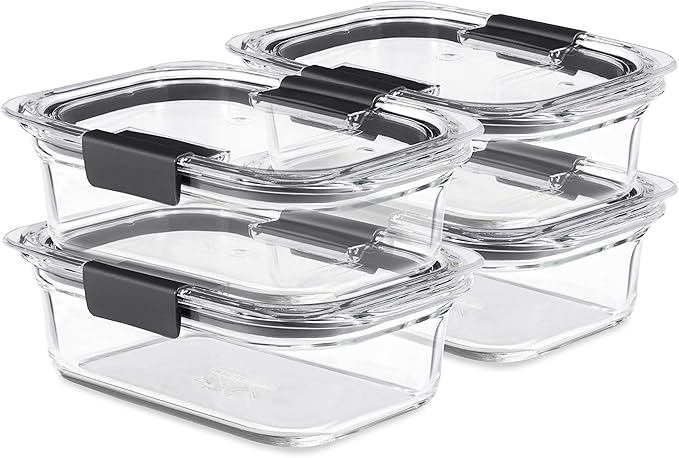
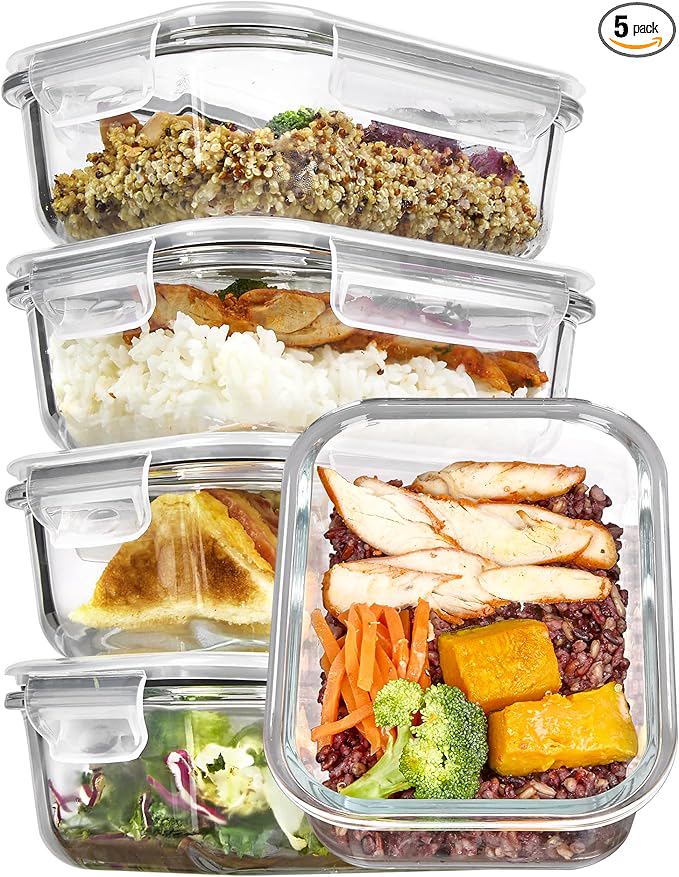
How you store meal-prepped dishes affects nutrient retention over the week. Divide the finished dish into shallow, airtight containers as soon as it has cooled to room temperature (within two hours of cooking). Rapid cooling minimizes the time food spends in the temperature danger zone, which helps preserve both nutrients and safety.
Tip: Store sauces and grains separate from vegetables and proteins when possible. This keeps textures intact and prevents water-soluble vitamins from leaching into the liquid during storage.
Most slow cooker meals stay fresh in the refrigerator for three to four days. If you are prepping for a full seven days, freeze portions that you will eat on days five, six, and seven. Freezing stops most nutrient degradation, though it may cause minor texture changes in vegetables and dairy-based sauces.
Choose Ingredients That Hold Up Well
Some foods are naturally better suited to slow cooking and meal prepping. Lentils, chickpeas, and beans retain nutrients and texture. Root vegetables like carrots, sweet potatoes, and parsnips stay firm and flavorful. Meats with some connective tissue, like chuck roast or chicken thighs, become tender without drying out.
More delicate ingredients, such as broccoli florets, fish fillets, or quick-cooking shrimp, are best added at the very end or prepared separately and combined at mealtime. Planning your weekly menu around these characteristics makes it easier to maintain a nutrient-dense result across all your prepped servings.
Putting It Into Practice: A Simple Weekly Plan
Here is one way to structure your slow cooker meal prep so that nutrition stays high from Monday through Friday:
- Sunday: Cook a large batch of lentil soup or chicken stew with hearty vegetables. Add a bag of fresh spinach or kale to the pot just before you turn it off. Portion into containers for Monday through Wednesday. Freeze the Thursday and Friday portions.
- Tuesday: Make a bean chili with canned tomatoes, bell peppers, and onions. Stir in fresh cilantro and a squeeze of lime before serving. Refrigerate for days four and five.
- Wednesday: Prep a batch of pulled pork or beef with minimal sauce. Store the meat separately. Reheat with fresh slaw or roasted vegetables for a nutrient-dense meal.
This rhythm ensures you always have something ready, but you are not eating the exact same meal for five straight days. It also lets you add fresh elements that boost vitamins lost during the cooking process.
Slow cooker meal prep does not have to mean sacrificing nutrition. With intentional ingredient ordering, careful liquid management, and a few fresh final touches, you can enjoy the convenience of grab-and-go meals all week long—without compromising the nutrients your body needs.



![[10-Pack] Glass Meal Prep Containers with Lids, MCIRCO Food Storage Containers with Snap Locking Lids, Airtight Lunch Containers, Microwave, Oven, Freezer and Dishwasher](https://www.glowtheorylab.com/uploads/ad202604/141a61456fdd8860.webp)