One-pan meals are a weeknight hero, but nothing kills the joy of a prepped dinner faster than pulling a soggy, steamed mess out of the fridge. The good news? That sad texture is almost always a fixable problem. With a few smart techniques—like choosing the right vegetables, managing moisture, and using proper reheating methods—you can enjoy crispy, flavorful leftovers that taste just as good as the first night.
This guide focuses on the principles behind crispy meal-prep, with special attention to versatile vegetables like eggplant (baingan), which is notorious for turning mushy. Whether you are roasting, grilling, or sautéing, these strategies will help you keep your one-pan meals texturally satisfying all week long.
Why do one-pan meals get soggy in the fridge?
Soggy leftovers happen for a simple reason: trapped steam. When you store hot or warm food in a sealed container, condensation forms and settles on the food, softening crispy edges. Certain vegetables—especially those with high water content like zucchini, tomatoes, mushrooms, and eggplant—release even more moisture as they sit, compounding the problem.
Another culprit is overcrowding the pan during the initial cook. If ingredients overlap instead of sitting in a single layer, they steam rather than brown. That initial lack of caramelization means you are starting at a crispness deficit, and the fridge will only make it worse.
Quick tip: After cooking, let your one-pan meal cool completely—uncovered—before refrigerating. This lets steam escape and stops condensation from forming inside the container.
Choose vegetables that hold their texture
Not all vegetables behave the same way after a day or two in the fridge. Some hold up beautifully, while others turn to mush. For meal prep, prioritize:
- Eggplant (baingan): When roasted or grilled properly, eggplant can keep a tender-but-firm texture. Salting slices before cooking draws out excess moisture, which helps them brown better and stay less soggy.
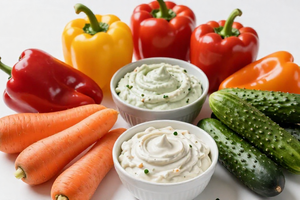
- Bell peppers, broccoli, cauliflower, and carrots: These sturdy vegetables retain their structure well and reheat nicely without turning limp.
- Onions and garlic: They contribute flavor and moisture, but cooking them until they are deeply caramelized helps reduce water content before storage.
Vegetables to handle with more caution include zucchini, summer squash, and fresh tomatoes—unless you roast them until most of their moisture evaporates, they can make your meal watery by day two.
Pre-cooking steps that make a difference
Salt your eggplant (and other watery veggies)
Sprinkle sliced eggplant with salt and let it rest for 15–30 minutes. You will see beads of moisture form on the surface. Pat them dry with a paper towel before cooking. This simple step removes excess water and helps the vegetable brown instead of steam.
Pat everything dry
Before seasoning, pat chicken, fish, or tofu dry with a clean towel. The drier the surface, the better the sear. A golden-brown crust forms a barrier that keeps interior moisture from making the exterior soft later.
Spread out for proper browning
Give each ingredient room to breathe. If your baking sheet or skillet is crowded, use two pans or cook in batches. Overcrowding drops the pan temperature and causes steaming, not roasting.
Cooking techniques for crispy results
The method you choose matters just as much as the ingredients.
Roasting at high heat (400°F–425°F / 200°C–220°C) is your best friend for meal prep. High heat drives off surface moisture quickly and creates deep browning. Toss vegetables in a small amount of oil—enough to coat, but not so much that they pool—and spread them in a single layer.
Grilling adds smoky flavor and a firm texture. For eggplant slices, brush lightly with oil, season, and grill for a few minutes per side. The direct heat chars the outside while keeping the inside creamy.
Pan-searing works well for smaller batches. Let your pan get hot before adding oil, then cook without moving the pieces too early. A proper crust forms only when the surface makes full contact with the heat.
How to store one-pan meals without losing crispness
Storage is where most meal prep goes wrong. Follow these guidelines to preserve texture:
- Cool completely before sealing. Hot food creates steam, which turns into water droplets on the lid. Spread cooked food on a tray or plate and let it come to room temperature (within 2 hours for food safety).
- Use wide, shallow containers. A deep container traps moisture. A shallow dish lets heat escape faster and reduces condensation.
- Separate wet from dry components when possible. If your meal includes a sauce or dressing, store it separately and add it only after reheating. This is especially important for dishes like baingan curry, where the gravy can soften everything else.
- Line the container with a paper towel. A paper towel on top (or bottom) absorbs excess moisture. Replace it if it becomes damp.
Reheating methods that restore crispness
This is the final piece of the puzzle. Avoid the microwave if you want crispy results—it steams food unevenly and softens any browned surfaces.
- Oven or toaster oven (best choice): Reheat at 375°F–400°F for 5–10 minutes. Spread items in a single layer on a baking sheet. This revives browning and evaporates any surface moisture.
- Air fryer (great for smaller portions): Works like a convection oven. A few minutes at 350°F–375°F will make roasted vegetables and proteins crisp again.
- Stovetop skillet (good for saucy dishes): For things like baingan curry, reheat gently over medium-low heat. If the dish has thickened, add a splash of water to loosen it, but avoid covering the pan so steam does not soften the vegetables further.
- Broiler (use with caution): Works for a quick finish, but watch closely—it can burn in seconds.
For saucy eggplant dishes: Reheat the curry base separately and add the pre-cooked, roasted eggplant in the last few minutes. This keeps the eggplant from over-absorbing liquid and turning mushy.
Sample one-pan meal ideas that reheat well
These combinations are designed to stay crispy and flavorful for 3–4 days when prepped correctly:
- Roasted eggplant, bell peppers, and chickpeas with cumin and paprika. Serve with a side of tahini dressing (added after reheating).
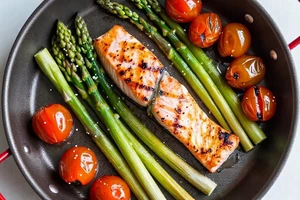
- Sheet-pan lemon-herb chicken with broccoli and red onion. The chicken stays juicy; the broccoli roasts crisp.
- Grilled eggplant slices (like the one from the source recipe) served on a bed of quinoa or greens. The dressing goes on at serving time.
- Stuffed eggplant boats with a breadcrumb and feta topping. Reheat under the broiler to re-crisp the topping.
Common questions about crispy meal prep
Can I meal prep eggplant dishes without losing texture?
Yes. The key is to roast or grill eggplant slices until they are deeply browned, not just cooked through. Avoid boiling or simmering eggplant (as you might in a curry) if you plan to store it. Save saucy preparations for the day you eat them, or keep the sauce separate.
Should I freeze one-pan meals to keep them crispy?
Freezing changes texture for most vegetables. Roasted or grilled vegetables often become soft after thawing because ice crystals rupture cell walls. If you must freeze, do so for sauces or cooked proteins, then add freshly roasted vegetables after reheating.
How long do crispy one-pan meals last in the fridge?
Most properly stored vegetable-and-protein dishes stay good for 3–4 days. After that, texture degrades even with careful storage. Label your containers with the date and plan to eat crispy-style meals earlier in the week.
What oil is best for keeping food crisp during meal prep?
Oils with a higher smoke point—such as avocado, grapeseed, or light olive oil—work best for high-heat roasting. They resist burning and help create a drier, crispier surface compared to butter or extra-virgin olive oil.
Final thought: Crispy meal prep is less about a magic recipe and more about habits—cooling food fully, storing it right, and reheating with dry heat. Once you build these steps into your routine, you will never dread leftover night again.