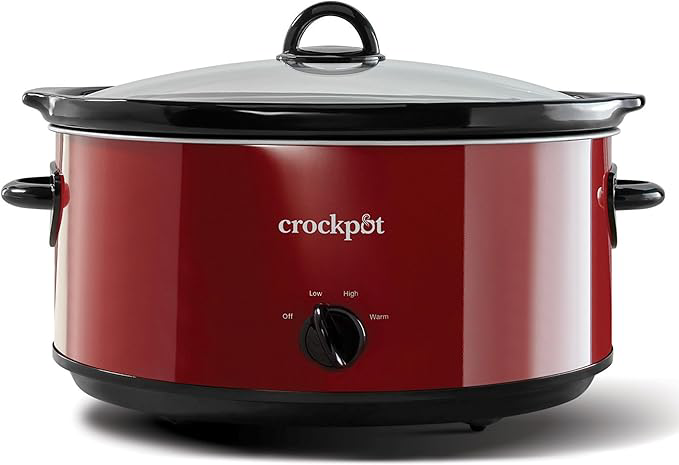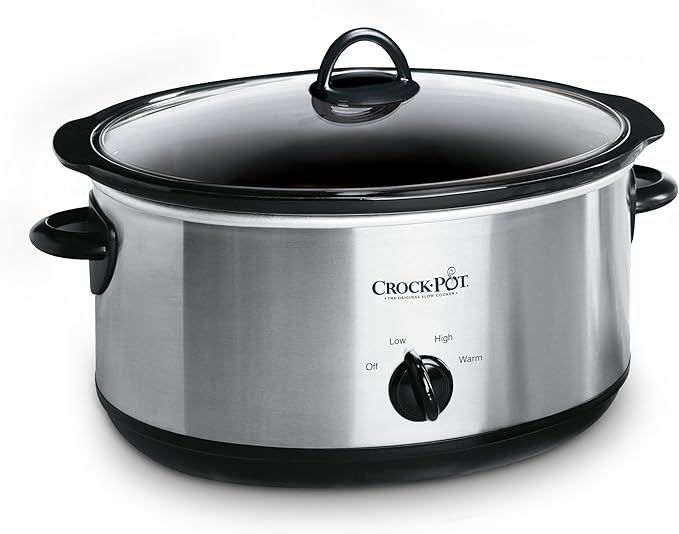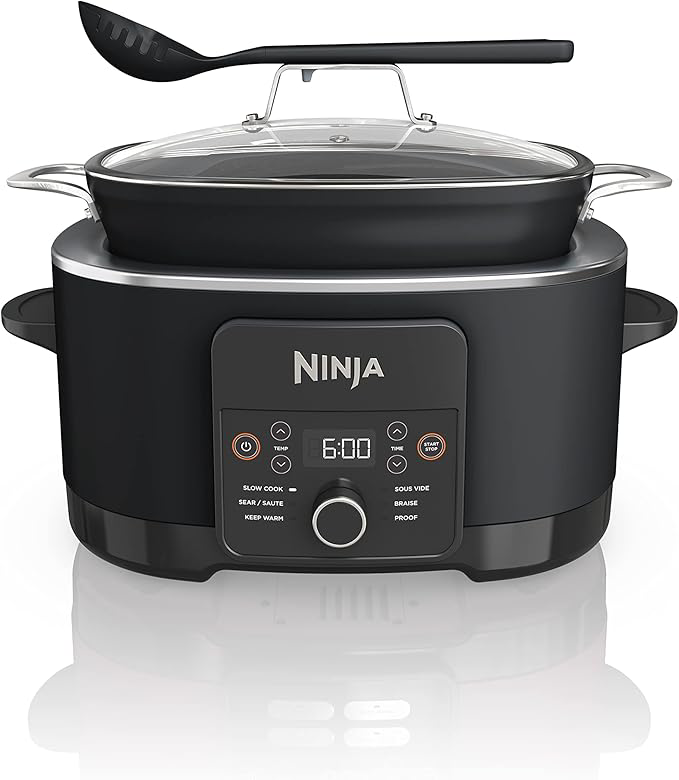
Cold weather has a way of making us crave warmth and comfort, especially when it comes to food. But between work, family, and the general chaos of winter, spending hours in the kitchen every evening isn't realistic. That's where the slow cooker comes in—and a little bit of weekend planning. With one afternoon of prep, you can stock your freezer or fridge with seven different soups that are ready when you are. No fuss, no stress, just a warm bowl of something good on a busy night.
These soups are designed to be simple, nourishing, and adaptable. You don't need exotic ingredients or advanced cooking skills. You need a slow cooker, a few basic pantry staples, and the willingness to chop some vegetables on a Sunday afternoon. Let's walk through how to build a week's worth of meals that actually taste like you put in effort—even when you didn't.
Why slow cooker soups work so well for meal prep
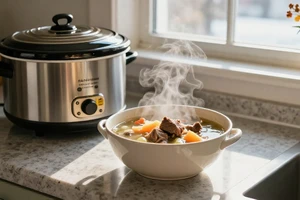
The slow cooker is a forgiving tool. You can throw in ingredients, walk away, and come back to a finished meal. When you're prepping multiple soups at once, the trick is to prep the ingredients ahead of time, not to cook everything simultaneously. You'll chop, portion, and store raw ingredients in bags or containers, then dump and cook each one on the day you want to eat it. This method keeps the soups fresh and gives you variety throughout the week.
This approach also helps with portion control and budgeting. By buying vegetables, beans, and grains in bulk, you can stretch your grocery dollar further. And since you're cooking from scratch, you control the salt, fat, and additives—something that's harder to do with canned or restaurant soups.
Building your seven-soup meal prep plan
To keep things manageable, choose soups that share common ingredients. For example, if you buy a big bag of carrots, onions, and celery, you can use them in nearly every recipe. Here's a suggested lineup that offers variety without requiring a separate grocery trip for each soup:
- Lentil and vegetable soup – hearty, protein-rich, and freezes beautifully.
- Chicken and wild rice soup – creamy without heavy cream, thanks to blended cashews or a splash of milk.
- Tomato basil soup with white beans – a classic with added fiber and protein.
- Butternut squash and ginger soup – smooth, slightly sweet, and warming.
- Beef and barley soup – rich and filling, perfect for deep cold.
- Black bean and corn chili – smoky, mildly spicy, and vegan-friendly.
- Miso and tofu soup with greens – quick-cooking and light, for nights when you want something soothing but not heavy.
Each of these soups uses a slow cooker in roughly the same way: sauté aromatics, add liquids and sturdy vegetables, then let the pot do the work. The miso soup is the only exception—it comes together in about 20 minutes, so you can keep that one as a fresh option for later in the week.
How to store and organize your prepped ingredients
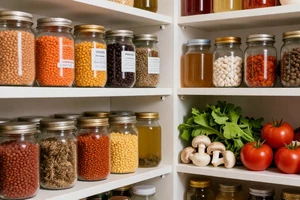
You'll need a system. Start by labeling gallon-sized freezer bags with the name of each soup and a simple list of ingredients to add on cooking day. For example, a bag labeled "Lentil Vegetable Soup" might contain pre-chopped carrots, celery, onion, garlic, and dry lentils. On cooking day, you dump that bag into the slow cooker, add broth and canned tomatoes, and turn it on.
For soups that include meat, you can add raw chicken breasts or cubed beef directly to the slow cooker without pre-cooking, unless a recipe calls for browning first. If browning is required, do it the morning of or the night before, then refrigerate the meat separately until you're ready to cook.
A quick note: if you're prepping for the full week, store soups containing dairy or coconut milk in the refrigerator and add those ingredients only when reheating, to prevent separation or curdling.
Day-by-day approach to cooking your soups
Here's a realistic schedule that doesn't require you to cook every single day:
- Sunday afternoon: Chop all vegetables, measure spices, portion grains and legumes. Pack everything into labeled bags or containers. Cook one soup that night for dinner or for lunch the next day.
- Monday morning: Dump the lentil vegetable bag into the slow cooker. Set it on low for 8 hours. Dinner is ready when you walk in the door.
- Tuesday morning: Dump the chicken and wild rice bag. Add chicken and broth. Set on low. If you want the soup creamier, stir in a little milk when serving.
- Wednesday: Use the tomato basil and white bean bag. This one can also cook on low for 6-8 hours. Blend with an immersion blender before serving.
- Thursday: Butternut squash and ginger soup. Pre-cubed squash makes this one incredibly fast. Add a can of coconut milk at the end for richness.
- Friday: Beef and barley. This one benefits from browning the beef first—do that in the morning or the night before.
- Saturday or Sunday: Cook the black bean chili. It's a great weekend lunch option, and leftovers keep well.
- Midweek: Make the miso soup fresh. It takes 20 minutes and gives you a break from the slow cooker.
Tips for adapting recipes to your taste
No soup plan is complete without room for personalization. If you're not a fan of barley, use brown rice or quinoa. If you don't eat meat, double the beans or add extra tofu. Spice levels are easy to adjust—add a pinch of red pepper flakes or a dash of hot sauce to any of these soups without altering the basic structure.
You can also vary the texture. Some people like their soups chunky; others prefer them smooth. With an immersion blender, you can puree half of a soup to give it body while leaving some chunks for bite. This works especially well with lentil, tomato, and squash soups.
Finally, don't forget the toppings. A drizzle of olive oil, a handful of fresh herbs, a spoonful of yogurt, or a sprinkle of seeds can turn a simple bowl into something special. Store these toppings separately and add them just before serving.
How long do prepped soups last?
If you're storing prepped ingredients in the fridge, use them within 3 to 4 days. Frozen bags of chopped vegetables and dry ingredients can last for months, but for best flavor, aim to cook them within a month. Cooked soups keep in the fridge for about 4 days, and they freeze well for up to 3 months. When freezing, leave a little headspace in your containers and let the soup cool completely before sealing.
Reheating tip: thaw frozen soup in the fridge overnight, then warm it gently on the stove or in the microwave. If the soup seems too thick after thawing, stir in a splash of broth or water.
A final word on making this work for you
Meal prepping seven soups might sound ambitious, but you don't have to do them all at once. Start with two or three. The beauty of this system is that it scales up or down based on your schedule and energy. Once you get the hang of the process—chopping in bulk, labeling bags, and setting the slow cooker—it becomes a rhythm. And on a freezing Tuesday night, when you come home to a house that smells like soup, you'll be glad you did it.