There's a quiet magic to a stack of warm pancakes on a slow morning. For those avoiding gluten, that simple pleasure can feel out of reach with complicated mixes and dense results. But it doesn't have to. With a handful of common gluten-free flours and a straightforward method, you can create light, fluffy pancakes that rival any traditional recipe. This guide walks you through the process, demystifying the steps for a foolproof breakfast.
What You'll Need for Your Gluten-Free Pancakes
The foundation of any good pancake is the flour blend. While you can use a pre-mixed gluten-free all-purpose flour, understanding a simple blend gives you control over texture and flavor. A reliable combination is one part fine almond flour, one part white rice flour, and a half part tapioca starch or potato starch. The almond flour adds protein and tenderness, the rice flour provides structure, and the starch helps with binding and a lighter crumb.
Beyond the flour, gather your wet ingredients: an egg for lift and richness, milk (dairy or a plant-based alternative like almond or oat milk), a touch of melted butter or neutral oil, and a splash of vanilla extract if you like. For leavening, you'll need baking powder—ensure it's gluten-free, as some brands use wheat starch. A pinch of salt balances the sweetness.
Tip: Let your batter rest for 5-10 minutes after mixing. This allows the gluten-free flours to fully hydrate, resulting in a better texture and preventing a gritty feel.
The Step-by-Step Process
Start by whisking your dry ingredients together in a large bowl: your flour blend, baking powder, and salt. In a separate bowl or jug, whisk the egg, then add the milk, melted butter or oil, and vanilla. Create a well in the center of your dry ingredients and pour the wet mixture in.
Gently fold the ingredients together with a spatula until just combined. A few lumps are perfectly fine—overmixing can lead to tough pancakes. The batter will be slightly thicker than traditional pancake batter, which helps it hold together.
Cooking to Perfection
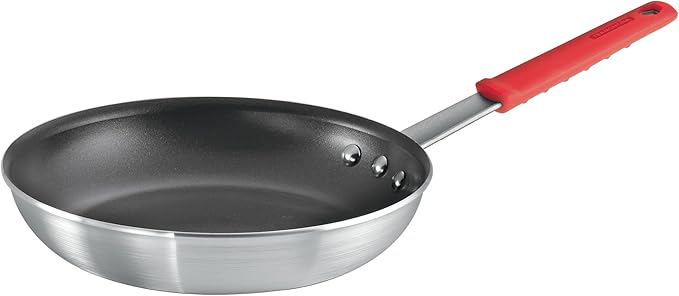
Heat a non-stick skillet or griddle over medium heat. Test the temperature by sprinkling a few drops of water on the surface; they should dance and evaporate quickly. Lightly grease the pan with butter or oil.
Pour about ¼ cup of batter for each pancake. Cook until you see bubbles forming on the surface and the edges look set, usually 2-3 minutes. This is the key sign it's ready to flip. Gently slide your spatula underneath and flip in one confident motion. Cook for another 1-2 minutes on the second side until golden brown and cooked through.
Why This Method Works for Gluten-Free Baking
Gluten-free flours behave differently than wheat flour. Without gluten's elastic network, we rely on other ingredients for structure. The egg provides protein that sets when cooked, acting as a binder. The baking powder creates air bubbles for lift, and the starch helps trap those bubbles and moisture. The resting period is crucial because gluten-free grains absorb liquid more slowly. Rushing this step can leave you with a batter that's too thin or pancakes that don't hold together well.
Customizing Your Pancakes
The beauty of this base recipe is its versatility. For a boost of fiber, stir a tablespoon of ground flaxseed or chia seeds into the dry ingredients. For blueberry pancakes, sprinkle a handful of fresh or frozen berries onto each pancake right after you pour the batter. Chocolate chips, mashed banana, or a dash of cinnamon are all wonderful additions. If you prefer a dairy-free version, simply use your favorite plant-based milk and oil instead of butter.
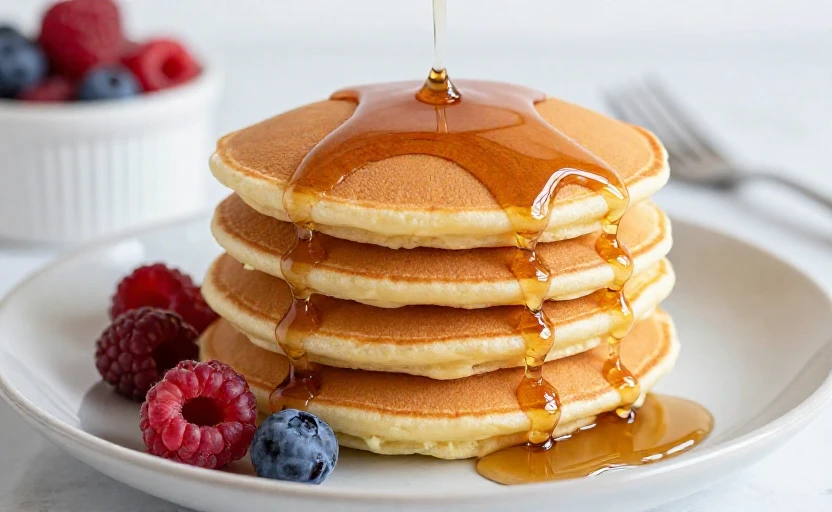
Serve your pancakes immediately with pure maple syrup, fresh fruit, a dollop of yogurt, or a drizzle of nut butter. They are best eaten fresh but can be cooled on a wire rack and frozen for a quick future breakfast. Reheat in a toaster for a crisp edge.
Making gluten-free pancakes from scratch is less about special tricks and more about understanding a few simple principles. With this guide, you can move beyond the mix and create a comforting, homemade breakfast that fits your lifestyle perfectly.