Meal prep can sometimes feel like a chore that takes over your Sunday afternoon. Between chopping, cooking, and portioning into a dozen tiny containers, it’s easy to get overwhelmed. That’s why one-pan meal prep bowls have become a favorite strategy among dietitians. The idea is simple: you cook everything—protein, vegetables, and often a complex carbohydrate—on a single sheet pan or in one skillet, then divide it into balanced bowls for the week ahead.
This method cuts down on cleanup, saves time, and makes it far easier to stick with nutritious eating when your schedule gets busy. Below, we’ll walk through the core principles of building a dietitian-approved one-pan bowl, plus practical tips to keep your meals interesting and satisfying.
What makes a bowl truly balanced?
A balanced eating bowl isn’t just about throwing random ingredients together. Dietitians look for three key components at every meal: a lean protein source, a generous serving of non-starchy vegetables, and a quality carbohydrate—often a whole grain or starchy vegetable. Healthy fats, such as avocado slices, a drizzle of olive oil, or a sprinkle of seeds, tie everything together and help your body absorb fat-soluble vitamins.
The beauty of one-pan bowls is that you can adjust the proportions to suit your needs. If you are an athlete looking for more energy, increase the grains. If you are aiming for weight management, fill half the bowl with colorful vegetables and keep the portions of protein and carbohydrates moderate.
Choosing your protein for sheet-pan success
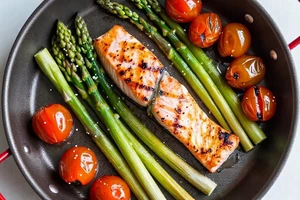
Not all proteins cook at the same rate, so a little planning goes a long way. Chicken thighs, salmon fillets, firm tofu, and chickpeas are all excellent candidates for roasting on a single pan. The key is to cut pieces to a uniform size so they finish cooking at the same time as your vegetables.
For plant-based bowls, try cubed extra-firm tofu tossed in a bit of soy sauce and sesame oil, or seasoned chickpeas that get crispy in the oven. If you prefer red meat, lean cuts of beef or lamb sirloin work well when sliced thinly against the grain after resting.
Vegetables: volume, color, and texture
Vegetables should take up the most real estate on your pan. Go for a mix of textures: broccoli or cauliflower florets for bite, bell peppers and zucchini for tenderness, and maybe some cherry tomatoes that burst into sweetness. Root vegetables like sweet potatoes or carrots add natural sweetness and pair nicely with savory seasonings.
To prevent sogginess, spread vegetables in a single layer with a little space between them. Overcrowding traps steam and prevents browning. If you are using both quick-cooking vegetables (like spinach or asparagus) and denser ones (like carrots or potatoes), add the faster-cooking items halfway through the roasting time.
Whole grains and starches that hold up
You have a few options for the carbohydrate element. Pre-cooked quinoa or farro can be added to the pan during the last ten minutes of roasting to warm through without burning. Alternatively, you can roast potatoes, cubed butternut squash, or parsnips right alongside your protein and vegetables from the start.
If you prefer a lighter carb, cauliflower rice can be roasted on a separate small pan in the same oven. Another clever shortcut: use leftover cooked grains from earlier in the week and simply reheat them when you assemble your bowls.
Flavor without the fuss
A simple marinade or dry rub is all you need to keep your bowls flavorful. A lemon-herb vinaigrette, a splash of balsamic vinegar, or a sprinkle of za'atar can transform humble ingredients. Avoid heavy, sugary sauces that can burn in the oven. Instead, drizzle a finishing sauce—like tahini, yogurt dill, or a simple chimichurri—over the bowls after they come out of the oven.
Pro tip: Toss your vegetables and protein in a large bowl with oil and seasonings directly on the sheet pan to minimize dishes.
How to assemble and store your bowls
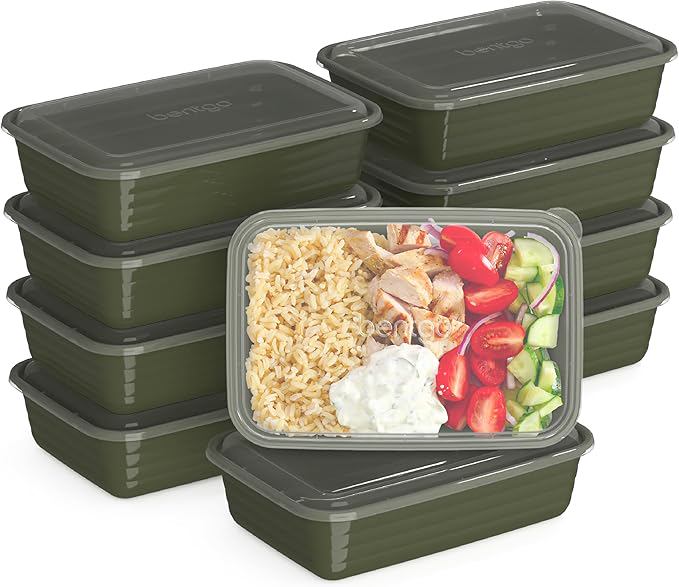
Let everything cool slightly before portioning. Divide the protein, vegetables, and grains evenly among your containers. Keep delicate greens, fresh herbs, avocado, and any crunchy toppings (like nuts or seeds) separate until you are ready to eat—this prevents sogginess.
Most one-pan bowls will stay fresh in the refrigerator for three to four days. If you are planning for a full week, consider freezing a couple of portions. Reheat in a microwave or oven, and add your fresh toppings just before serving.
Simple one-pan bowl combinations to try
- Mediterranean bowl: Lemon-oregano chicken, roasted red peppers, zucchini, cherry tomatoes, and farro. Finish with crumbled feta and a dollop of hummus.
- Asian-inspired bowl: Soy-ginger salmon, broccoli, edamame, red bell pepper, and brown rice. Top with sesame seeds and a splash of sriracha.
- Tex-Mex bowl: Chili-lime seasoned chicken or black beans, roasted corn, bell peppers, onion, and sweet potato. Serve with avocado, salsa, and a squeeze of lime.
- Balsamic veggie bowl: Roasted chickpeas, mushrooms, eggplant, cherry tomatoes, and quinoa. Drizzle with balsamic glaze and sprinkle with toasted pine nuts.
Getting the most out of your prep day
One-pan meal prep is flexible. You can roast two different sheet pans with separate flavor profiles to avoid boredom. Or, keep the base ingredients neutral and change the sauce or seasoning each day. This approach gives you the convenience of prepared food without the monotony of eating the same meal repeatedly.
Remember, you don’t have to follow a strict recipe. Use the formula of protein + vegetables + carbohydrate + healthy fat, and let your preferences and what’s in season guide you. With a little practice, you’ll be able to whip up a week’s worth of balanced bowls in under an hour.