
You know the feeling. The alarm sounds, and before your feet even hit the floor, the mental checklist begins—the deadlines, the emails, the responsibilities. It’s a cascade that can set your nervous system on high alert before you’ve had your first sip of water. But what if the first ten minutes of your day could be a buffer against that tide? Building a stress-resilient morning routine isn’t about adding more to your plate; it’s about a few intentional minutes that change the tone of everything that follows.
This isn’t a rigid, hour-long protocol. It’s a simple, adaptable framework designed to ground your nervous system, creating a foundation of calm you can carry with you. By dedicating just ten minutes to these practices, you signal to your body and mind that you are in charge, not the chaos of the day.
Why a morning routine builds resilience
Resilience is your ability to bounce back from stressors, not avoid them entirely. A morning routine cultivates this by creating a predictable anchor. When you start the day with a sense of agency and calm, you strengthen your prefrontal cortex—the part of the brain responsible for decision-making and emotional regulation. This makes you less reactive to the inevitable surprises and pressures that come later.
Think of it as preventative maintenance for your mental well-being. These ten minutes are a small investment that pays dividends in focus, patience, and a quieter inner dialogue throughout your day.
The 10-minute framework
This sequence is designed to flow naturally. You can adjust the timing of each element, but try to keep the total to around ten minutes to make it sustainable.
Minute 0–2: Hydrate and awaken
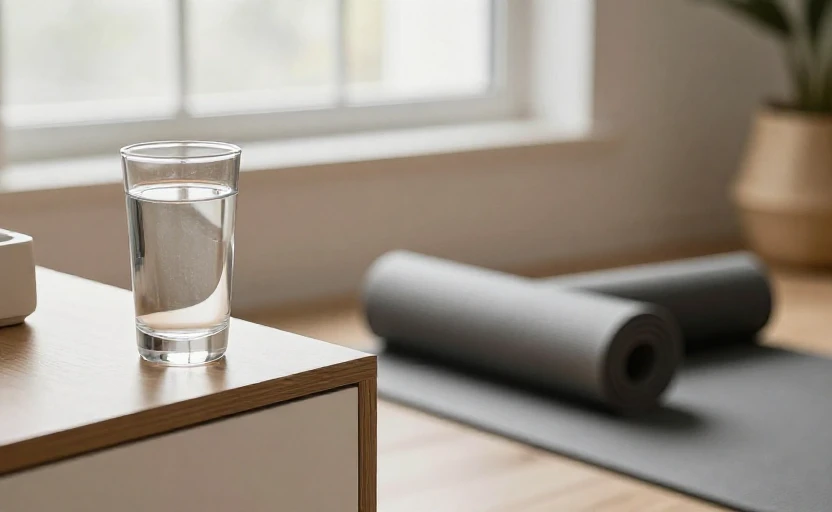
Before you reach for your phone or the coffee pot, reach for a glass of water. Overnight, your body becomes mildly dehydrated, which can exacerbate feelings of fatigue and stress. Drinking a full glass of water upon waking rehydrates your system, kickstarts metabolism, and helps flush toxins.
Keep the water by your bedside the night before. This simple act removes the first decision of the day and makes the habit effortless.
Minute 2–5: Ground your senses
This is a moment of presence. Stand or sit comfortably. Take three slow, deep breaths, feeling your belly expand on the inhale and soften on the exhale. Then, engage your senses:
- Notice five things you can see.
- Notice four things you can feel (the floor under your feet, the fabric of your clothes).
- Notice three things you can hear.
- Notice two things you can smell.
- Notice one thing you can taste.
This practice, often called the “5-4-3-2-1” method, pulls you out of anxious future-thinking and into the present reality of your environment. It’s a powerful reset for an overactive mind.
Minute 5–8: Gentle movement
You don’t need a full workout. The goal is to connect with your body and release physical tension. Try a simple sequence:
- Neck rolls: Slowly drop your right ear to your right shoulder, then roll your chin to your chest, and over to the left shoulder. Repeat three times each direction.
- Shoulder shrugs: Inhale as you lift your shoulders to your ears, hold for a second, and exhale as you release them down forcefully. Repeat five times.
- Standing forward fold: From standing, gently hinge at your hips and let your head and arms hang toward the floor. Keep a slight bend in your knees. Hold for 30 seconds, breathing deeply.
This movement increases blood flow, releases stored tension in the neck and shoulders (common stress-holding areas), and reminds your body it is capable and strong.
Minute 8–10: Set a simple intention
An intention is not a to-do list. It’s a guiding quality or attitude for your day. As you finish your movement, stand quietly. Ask yourself: “What quality would serve me best today?” It might be patience, curiosity, or ease. Choose one word or a short phrase.
Say it to yourself silently. You might place a hand over your heart as you do. This act plants a seed, giving your mind a positive focal point to return to when stress arises.
Making your routine stick
The key is consistency, not perfection. Some mornings you might only manage five minutes, and that’s enough. Place your water glass out the night before. If you find yourself skipping it, pair it with an existing habit—like right after you brush your teeth. The less you have to think about it, the more automatic it becomes.
Remember, this is your routine. If sitting in silence for two minutes feels better than the sensory exercise, do that. If you prefer a different stretch, follow that instinct. The structure is a support, not a constraint.
What to expect
Don’t expect immediate, dramatic transformation. The benefits are cumulative and subtle. You may notice you feel less rushed, that minor irritations don’t throw you as much, or that you have a clearer head for morning decisions. Over time, this daily practice strengthens your capacity to meet challenges from a centered place, rather than a reactive one. You are building your resilience, one ten-minute morning at a time.