Vegetarian bowls are the quiet heroes of a busy kitchen. They’re the answer to the question of what to eat when you want something satisfying, nourishing, and fast. More than just a meal, they’re a flexible framework—a way to turn whatever you have on hand into a colorful, balanced plate. The beauty lies in the formula, not a rigid recipe. Once you understand the simple architecture, you can build endless variations that suit your mood, your pantry, and the clock ticking on the wall.
Think of it as assembling a delicious, edible puzzle. You start with a foundation, add a hearty protein, pile on the vegetables, and finish with a flourish of flavor. It’s a creative process that takes less time than waiting for delivery, and the result is a meal that feels both intentional and effortless.
What Makes a Great Vegetarian Bowl?
A great bowl is all about balance and texture. It should feel complete, with a mix of components that keep each bite interesting. The goal is to combine different food groups so you get a range of nutrients, flavors, and mouthfeels. A monotonous bowl is a forgettable one; a bowl with contrast is something you’ll want to make again.
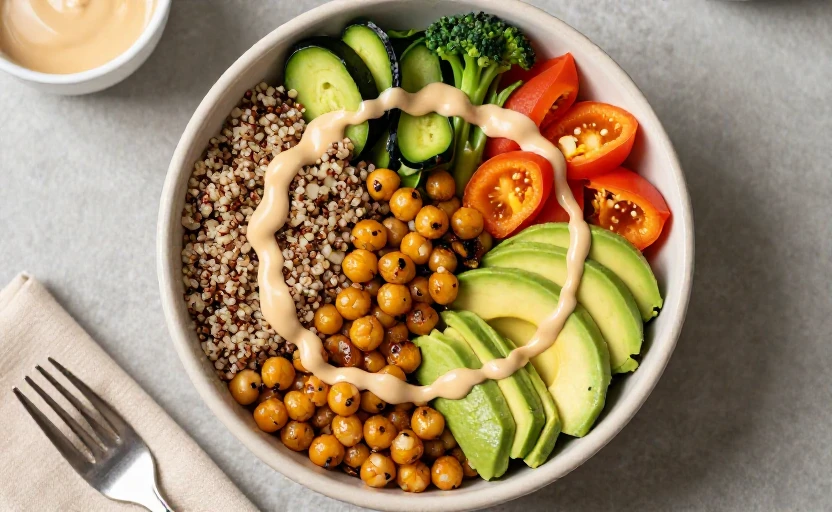
At its core, a satisfying vegetarian bowl is built on four key pillars: a base, a protein, vegetables, and a dressing or sauce. When these elements work together, you create a meal that is greater than the sum of its parts—filling without being heavy, vibrant, and deeply nourishing.
The Step-by-Step Assembly Guide
Follow this simple sequence to construct your bowl. There’s no need to overcomplicate it. The process is intuitive once you get started.
1. Choose Your Foundation
This is what anchors your bowl. It’s the comforting, often carb-rich element that soaks up flavors and provides substance. Your choice here sets the tone.
- Grains: Quinoa, brown rice, farro, or couscous. Cook a big batch at the start of the week to have on hand.
- Greens: Baby spinach, kale, massaged with a little lemon to soften it, or mixed salad greens for a lighter base.
- Noodles: Soba noodles, rice noodles, or whole-wheat pasta, cooled and lightly dressed.
- Roots: Spiralized zucchini or sweet potato “noodles,” or a simple bed of roasted potato cubes.
Tip: For the best texture, let cooked grains cool slightly and fluff with a fork before adding to your bowl. This prevents them from becoming gummy.
2. Add Your Protein
This is what makes the bowl substantial and keeps you full. Vegetarian proteins are wonderfully diverse, offering different flavors and textures.
- Legumes: Canned chickpeas (rinsed and patted dry, then optionally roasted until crispy), black beans, lentils, or edamame.
- Tofu or Tempeh: Cubed and pan-fried, baked, or air-fried until golden. A quick marinade in soy sauce, maple syrup, and garlic does wonders.
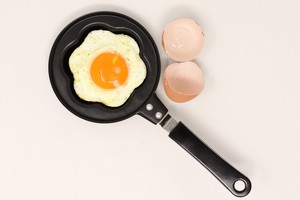
- Eggs: A soft-boiled or fried egg with a runny yolk acts as a built-in sauce.
- Dairy: Crumbled feta, goat cheese, cottage cheese, or a scoop of ricotta.
3. Pile on the Vegetables
This is where color, crunch, and volume come in. Use a mix of cooked and raw vegetables for the best experience.
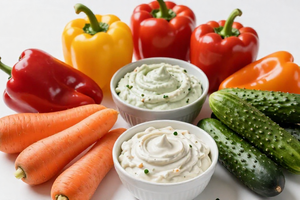
- Raw: Sliced cucumber, shredded carrots, cherry tomatoes, radishes, or bell pepper strips.
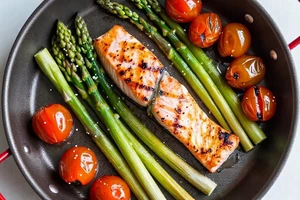
- Roasted or Sautéed: Broccoli, cauliflower, Brussels sprouts, mushrooms, or asparagus. Toss with oil, salt, and pepper, and roast at 400°F (200°C) until tender and caramelized.
- Quick-Pickled: Thinly sliced red onion or cucumber in a mix of vinegar, water, and a pinch of sugar for 15 minutes adds a bright, tangy punch.
4. Finish with Flavor & Crunch
These final touches elevate your bowl from simple to spectacular. They add the pops of flavor and contrasting texture that make eating exciting.
- Sauce or Dressing: This is essential. It ties everything together. Think tahini-lemon, peanut sauce, a simple vinaigrette, yogurt-herb, or even just a generous squeeze of lime and a drizzle of good olive oil.
- Crunch: Toasted nuts (almonds, peanuts), seeds (sunflower, pumpkin, sesame), or crispy chickpeas.
- Fresh Herbs: A generous handful of chopped cilantro, parsley, basil, or mint.
- Extras: A sprinkle of nutritional yeast, a dash of hot sauce, sliced avocado, or olives.
Remember: The sauce is non-negotiable. It’s the glue that binds all the components. Don’t skip it.
Putting It All Together: Two Quick Examples
To see how this framework comes to life, here are two ideas you can assemble in about 15 minutes.
The Mediterranean Bowl:
Base: Quinoa or couscous.
Protein: Canned chickpeas and crumbled feta.
Veggies: Cherry tomatoes, cucumber, roasted red pepper strips, and kalamata olives.
Finishes: A simple lemon-oregano vinaigrette, a dollop of tzatziki, and a sprinkle of fresh dill.
The Asian-Inspired Bowl:
Base: Soba noodles or brown rice.
Protein: Pan-fried tofu cubes.
Veggies: Steamed broccoli, shredded carrots, and edamame.
Finishes: A creamy peanut-ginger sauce, sliced green onion, toasted sesame seeds, and a squeeze of lime.
Making It a Habit
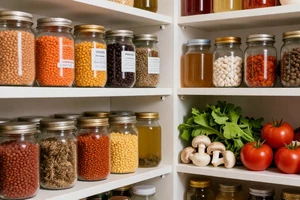
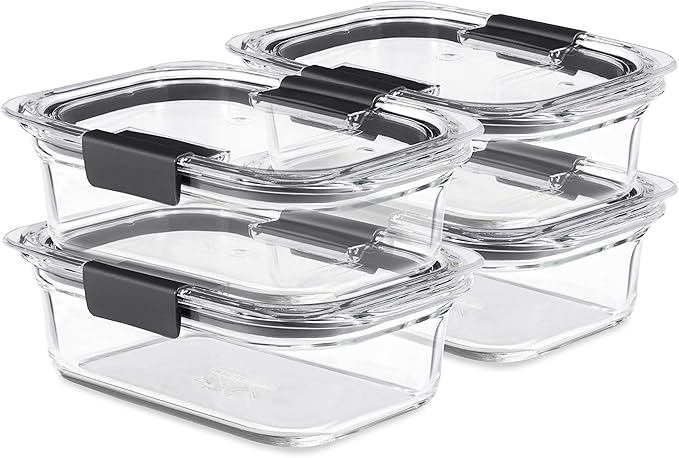
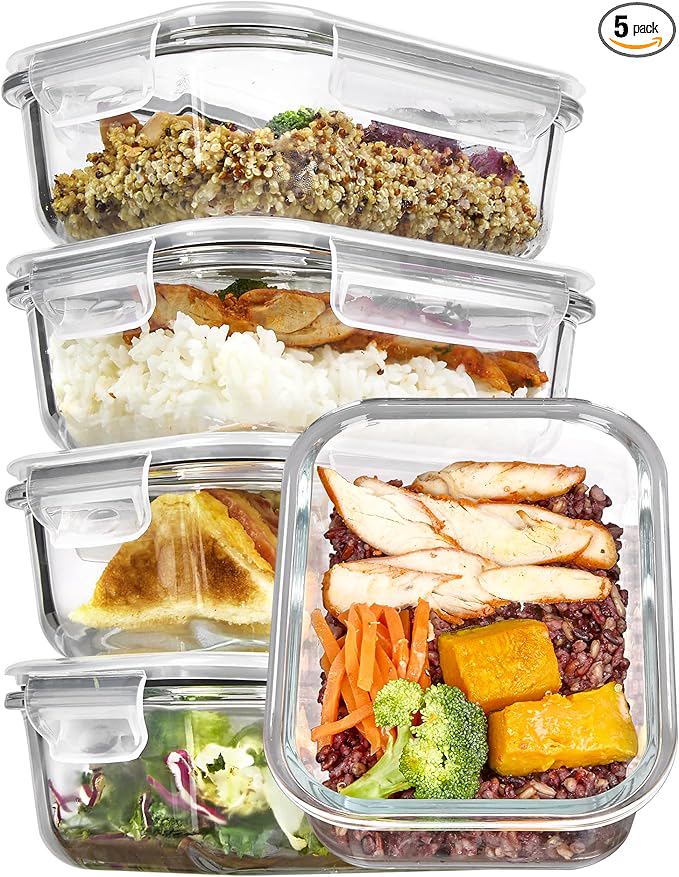
The true secret to quick vegetarian bowls is a little prep. Spend an hour on a weekend roasting a tray of vegetables, cooking a pot of grains, and whisking together a versatile dressing. Store them in clear containers in your fridge. When hunger strikes, you’re not starting from zero—you’re simply assembling pre-made, healthy components. It turns meal preparation into a fast, creative act rather than a chore.
Listen to your cravings. A bowl is a personal canvas. Some days you’ll want something warm and roasted; other days, something cool and crunchy. The formula supports you either way. By mastering this simple approach, you give yourself a reliable, delicious tool for feeding yourself well, even on the busiest of days.



![[10-Pack] Glass Meal Prep Containers with Lids, MCIRCO Food Storage Containers with Snap Locking Lids, Airtight Lunch Containers, Microwave, Oven, Freezer and Dishwasher](https://www.glowtheorylab.com/uploads/ad202604/141a61456fdd8860.webp)