
Navigating acne during pregnancy is a frustrating paradox. You're already dealing with fatigue, nausea, and a shifting body — and then your skin decides to stage a rebellion. This is often called "pregnancy glow" by well-meaning strangers, but for many, it feels more like a persistent breakout that won't respond to the usual treatments.
The challenge is real: many standard acne-fighting ingredients are off-limits during pregnancy and breastfeeding. Retinoids, salicylic acid in high doses, and certain oral medications pose risks to a developing baby. But you don't have to simply endure breakouts. A thoughtful, dermatologist-approved skincare routine can help manage acne safely. Here’s how to build one.
Why does pregnancy cause acne?
Blame the hormones. During the first and second trimesters, your body produces more androgens, which stimulate sebaceous glands to produce excess sebum. This oil, combined with dead skin cells, clogs pores. The result is acne, often concentrated on the chin, jawline, and cheeks. It's not your fault, and it's not a sign you're doing anything wrong.
The core no-no list: Ingredients to avoid
Before we get into what to use, let's get clear on what to stop using immediately if you are pregnant, planning to conceive, or breastfeeding.
- Retinoids (prescription and over-the-counter). This includes tretinoin, adapalene, tazarotene, and retinol. Studies link oral isotretinoin (Accutane) to birth defects, and while topical retinoids are less certain, dermatologists advise avoiding all forms out of an abundance of caution.
- High-strength salicylic acid. Occasional use in a wash (under 2%) is considered low-risk because it's quickly rinsed off, but leave-on products and peels with salicylic acid should be avoided. Instead, use a gentle cleanser with a small amount or skip it entirely.
- Benzoyl peroxide (controversial, but caution advised). Many dermatologists consider small amounts low-risk, as very little is absorbed into the bloodstream. However, some experts advise avoiding it in high concentrations or large areas. Stick to a 2.5% or 5% wash or spot treatment used sparingly on active breakouts.
- Chemical sunscreens with oxybenzone or avobenzone. These are endocrine disruptors and should be swapped for mineral-based sunscreens containing zinc oxide or titanium dioxide.
Always check with your OB-GYN or a dermatologist before using any new product. When in doubt, use less.
A simple rule: if your skincare product is known to cause serious birth defects in high doses, do not use it topically at all. When in doubt, pick the gentlest option.
The pregnancy-safe acne routine: Step by step
Keep it simple. A routine with three or four steps is typically enough. Adding too many active ingredients can irritate already-sensitive pregnancy skin.
Step 1: Gentle, non-stripping cleanser
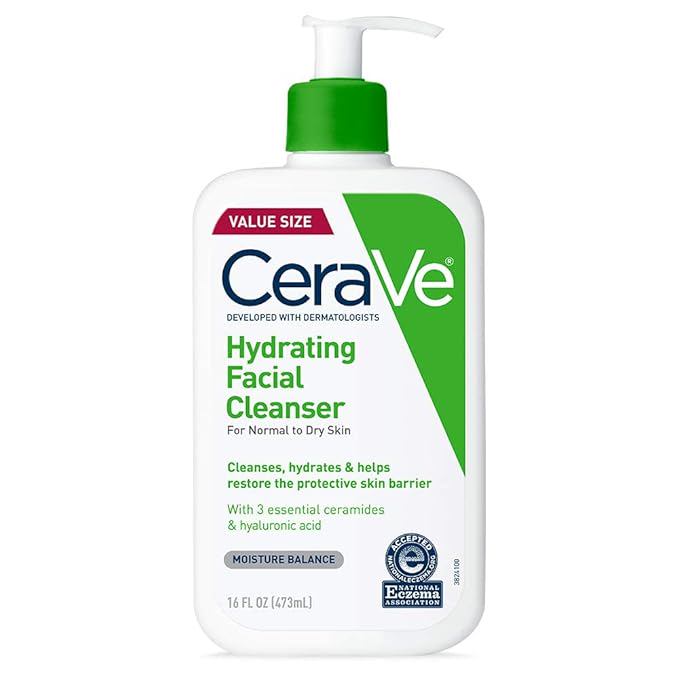
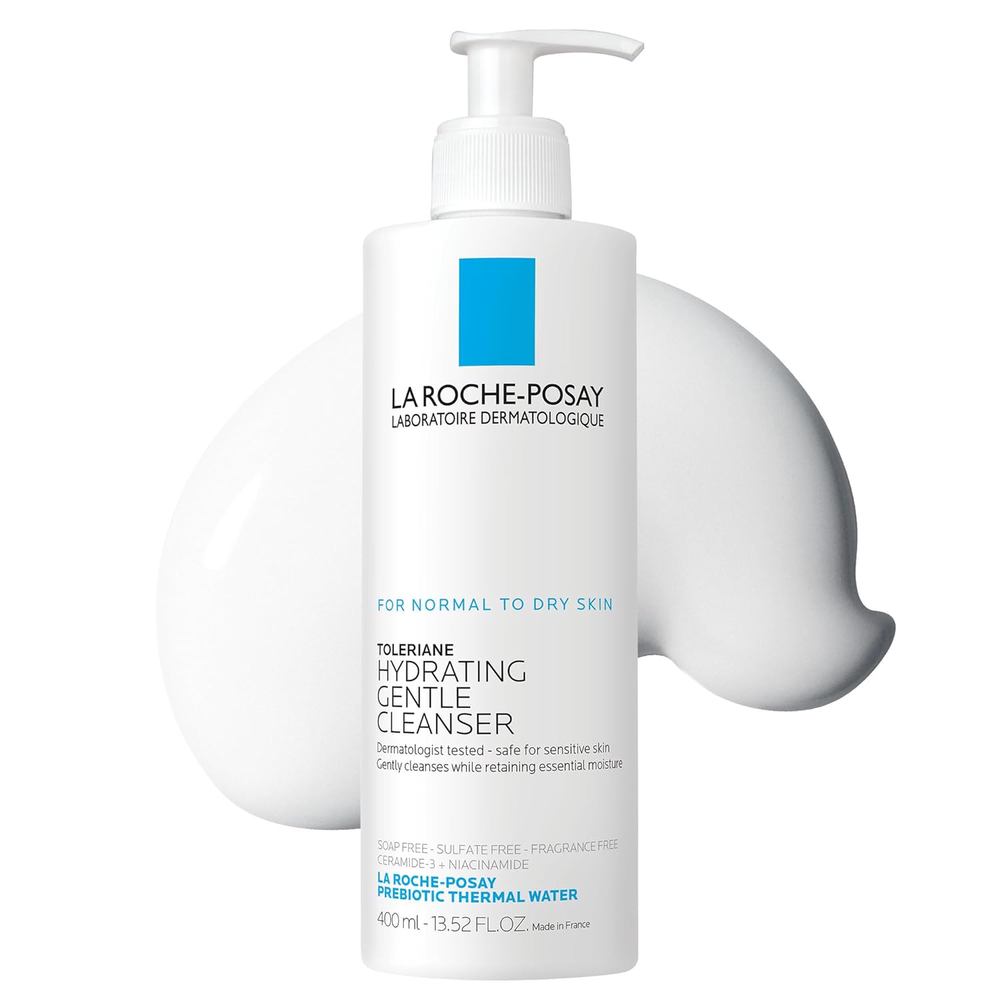
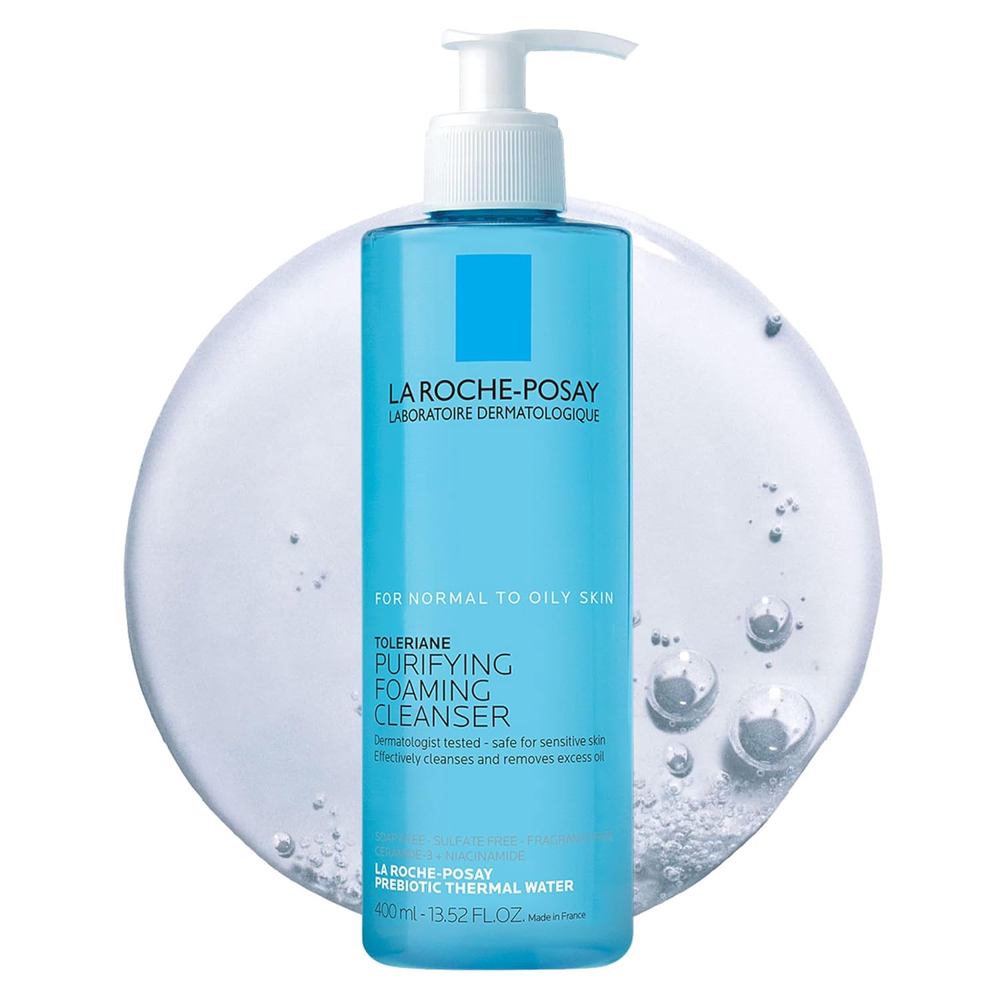
Start your morning and evening with a mild, sulfate-free cleanser. Look for ingredients like glycerin, ceramides, or aloe vera. Avoid foaming cleansers that strip the skin's barrier. If you feel oily by midday, a gentle rinse with water can help.
Step 2: A targeted serum or treatment (safe actives)
This is where you can treat acne without harming the baby. The safest and most effective options include:
- Azelaic acid (15–20% cream or gel). This is the gold standard for pregnancy-safe acne. It reduces inflammation, kills acne-causing bacteria, and fades post-inflammatory hyperpigmentation (dark spots). It's even prescribed by dermatologists specifically for pregnancy breakouts.
- Niacinamide (vitamin B3). In 4–5% concentrations, it reduces oil production and inflammation without being a drug. It's very gentle and can be used morning and night.
- Glycolic acid (low concentration, 5–7%). An alpha-hydroxy acid (AHA) that gently exfoliates the surface without systemic absorption. Use it a few times a week, not daily.
Apply these after cleansing, before moisturizer. Do not layer multiple strong actives.
Step 3: Hydrating moisturizer
Pregnancy can dry out your skin, even if you're breaking out. Skipping moisturizer makes your skin produce even more oil to compensate. Choose an oil-free, non-comedogenic moisturizer. Ingredients like hyaluronic acid, squalane, and ceramides are excellent. If you have very oily skin, a lightweight gel-cream formulation works best.
Step 4: Mineral sunscreen (non-negotiable)
Acne treatments and pregnancy hormones both make your skin more susceptible to melasma (dark patches). Use a broad-spectrum SPF 30+ mineral sunscreen every single day. Zinc oxide or titanium dioxide formulas sit on top of the skin and are not absorbed, making them safe.
Managing breakouts without medication
Sometimes, topical treatments aren't enough. The following lifestyle adjustments can help reduce inflammation:
- Change your pillowcase every two to three days.
- Use a clean towel after washing your face.
- Avoid picking or popping pimples — this worsens inflammation and scarring.
- Keep hair off your face; shampoo can clog pores.
When to see a dermatologist
If over-the-counter options aren't helping, don't suffer in silence. A board-certified dermatologist can prescribe pregnancy-safe alternatives like oral erythromycin or topical clindamycin (an antibiotic) for severe cystic acne. Light therapy (blue or red LED) is also considered safe and can be used in-office. Never start any oral medication for acne, including spironolactone or doxycycline, without explicit clearance from your OB-GYN.
The first step is always a visit to your obstetrician. They can clear you for a dermatology visit and coordinate care.