
You know you should drink more water. You’ve felt the afternoon slump, the nagging headache, the dry mouth after back-to-back meetings. Yet, between deadlines, errands, and the general rush of adult life, your water bottle often sits forgotten. Building a hydration habit isn’t about willpower; it’s about designing a routine that fits seamlessly into the life you already have.
Hydration is the quiet foundation of well-being. It supports focus, energy, digestion, and even mood. For busy adults, it’s not a luxury—it’s essential maintenance. The goal isn’t perfection, but consistency. A few thoughtful adjustments can turn sporadic sips into a reliable rhythm that keeps you feeling clear and capable.
Why is hydration so hard when you’re busy?
When your day is a series of tasks, hydration becomes an abstract concept, easily pushed aside. You might not feel thirsty until you’re significantly dehydrated, a phenomenon more common as we age. The cues are subtle: fatigue, irritability, or difficulty concentrating are often misattributed to stress or lack of sleep, not a simple water deficit.
Your body is about 60% water. Even mild dehydration can impair cognitive function and physical performance.
The modern work environment adds to the challenge. Climate-controlled offices have dry air. Video calls discourage you from getting up for a refill. The constant switch between tasks fractures your attention, making it easy to ignore your body’s signals for hours. Recognizing these barriers is the first step to designing a routine that works around them.
Start your day with intention
Your morning sets the tone. Before you reach for coffee, drink a full glass of water. Overnight, you lose fluid through breath and sweat. Replenishing this first thing helps kickstart your metabolism, rehydrates your brain, and creates an immediate win for your hydration goal.
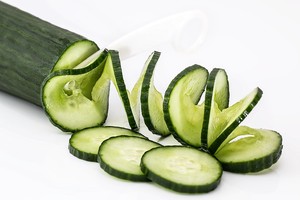
Make it effortless. Keep a glass or bottle on your nightstand. If plain water feels like a chore first thing, add a squeeze of lemon or a few cucumber slices for a gentle, refreshing flavor. This single, consistent act builds momentum, making it easier to continue mindful drinking throughout the day.
Make your water visible and accessible
Out of sight is out of mind. This is the golden rule for busy people. If your water is tucked away in a kitchen cabinet, you won’t drink it.
- Choose your vessel wisely. Find a water bottle or large glass you enjoy using. A 20-ounce or larger container means fewer trips to refill.
- Keep it in your line of sight. On your desk, next to your keyboard, or in the passenger seat of your car. Its physical presence serves as a constant, gentle reminder.
- Use visual cues. Mark times or goals on your bottle with a erasable marker. Each line you pass is a small, visual reward.
Pair drinking with existing habits
Habit stacking is a powerful tool. Attach your new hydration habit to an existing, automatic part of your day. The existing habit becomes the trigger for the new one.
Take a sip every time you:
- Check your email
- Finish a work task or phone call
- Stop at a red light while driving
- Stand up from your desk
- Wait for your coffee to brew or your lunch to heat up
This method integrates hydration into the fabric of your day without requiring extra mental energy. It turns drinking water into a background process, not another item on your to-do list.
What counts toward hydration?
While plain water is ideal, all non-alcoholic, non-excessively caffeinated fluids contribute. Herbal tea, sparkling water, and milk are hydrating. Many fruits and vegetables, like watermelon, cucumber, and oranges, are also high in water content.
Caffeinated drinks like coffee and tea do provide fluid, but they can also have a mild diuretic effect. Balance them with extra plain water.
The color of your urine is a simple, reliable gauge. Aim for a pale straw color. Dark yellow often signals you need to drink more.
Recover and reset in the evening
Your hydration routine shouldn’t end at 5 PM. Evening hydration supports overnight repair and can prevent waking up parched. However, timing is key to avoid disruptive nighttime trips to the bathroom.
Finish your main water intake about 1-2 hours before bed. If you feel thirsty later, a small sip is fine. This practice helps you wind down and closes the loop on your daily hydration cycle, setting you up for a better morning tomorrow.
Building a hydration routine is a practice in self-care, not another chore. Start with one change—the morning glass, the visible bottle, the habit stack. Let it become automatic before adding another. Listen to your body. On active, hot, or stressful days, it will need more. The objective is mindful consistency, creating a simple system that sustains you through the busyness of life.