
You step outside on a bright morning, feel the warmth on your skin, and think nothing of it. But beneath the surface, that ultraviolet light is already leaving a mark—one that may not show up for years. Sun spots, sometimes called age spots or solar lentigines, are a clear signal that your skin has been keeping score of every ray you’ve soaked in.
Understanding how these spots actually develop is the first step toward managing them. This isn’t about chasing perfection; it’s about knowing what’s happening in your skin so you can make informed choices. Let’s walk through the process step by step, from the initial trigger to the appearance of those flat, pigmented patches.
What exactly are sun spots?
Sun spots are flat, brown, gray, or black patches that typically appear on areas of the skin that get the most sun exposure—your face, hands, shoulders, arms, and the back of your hands. They range in size from a small freckle to about half an inch across. Unlike a mole, they don’t protrude; they stay flush with the surface of your skin.
Medically, they’re called solar lentigines. They are not harmful in themselves, but they are a visible marker of cumulative sun damage. Think of them as your skin’s way of saying, “I’ve had enough UV for a lifetime.”
The biology behind the spots: how UV light triggers pigmentation
To understand how sun spots develop, you need to know about melanocytes. These are specialized cells in the bottom layer of your epidermis that produce melanin—the pigment that gives your skin its color. When ultraviolet (UV) radiation from the sun hits your skin, the melanocytes go into overdrive to create extra melanin as a protective response. That’s what a tan actually is: a sign of injury, not health.
Over years of repeated exposure, the melanocytes in certain areas can become damaged. They start producing melanin in an uneven, clustered way rather than distributing it evenly across the skin. This localized overproduction leads to the flat, darker patches we call sun spots.
Key point: Sun spots are not a sudden event. They are the result of a slow, cumulative process that unfolds over decades. The melanocytes don’t forget—they simply keep working until they start making mistakes.
What triggers the change from healthy skin to a sun spot?
While UV exposure is the primary driver, a few other factors influence whether those early pigment changes become permanent spots:
- Type of UV radiation: Both UVA and UVB rays contribute, but UVA penetrates deeper into the skin and is more closely linked to long-term pigmentation changes. UVA is also present year-round and can pass through clouds and glass.
- Cumulative dose: It’s not the occasional sunburn that does the most damage—it’s the daily, low-level exposure over years. That short walk to your car, the sunny window in your office, the lunch break in the park—they all add up.
- Age and genetics: Sun spots are more common in people over 40, simply because the damage has had more time to accumulate. Fair skin tends to show them earlier and more prominently, though people with darker skin are not immune.
- Hormonal influence: Hormonal shifts, particularly during pregnancy or while using certain contraceptives, can make the skin more reactive to UV, sometimes accelerating the appearance of spots.
Early signs to watch for on your own skin
Catching sun spots early doesn’t change their course, but it helps you stay aware and adjust your sun-protection habits. Here’s what the earliest stage looks like:
- A slight change in skin tone: You might notice a very faint, barely-there brownish patch that doesn’t fade after a few weeks. It looks almost like a pale tea stain on your skin.
- Symmetry matters: Unlike a mole, a sun spot is usually round or oval with well-defined edges. If you see something with irregular borders, ask a dermatologist to check it.
- No texture change: In the beginning, the spot feels exactly like the surrounding skin—smooth, not raised or rough. If the texture changes, it may be something else, like an actinic keratosis.
- Multiple spots in one area: Early sun spots often appear in clusters, especially on the back of your hands, your temples, or your cheekbones. One spot is rarely alone.
What sun spots are not: separating fact from worry
It’s easy to panic when you see a new spot on your skin, but most sun spots are benign. They are not cancerous, and they will not turn into skin cancer. However, they can sometimes look similar to early melanoma. If a spot is growing rapidly, has an uneven color, or itches or bleeds, you should have it evaluated. When in doubt, a dermatologist using a dermatoscope can often tell the difference in seconds.
Sun spots are also not the same as freckles. Freckles are genetic and often fade with less sun exposure. Sun spots are a sign of accumulated damage and will not fade meaningfully without treatment or rigorous sun avoidance.
One practical takeaway you can use today
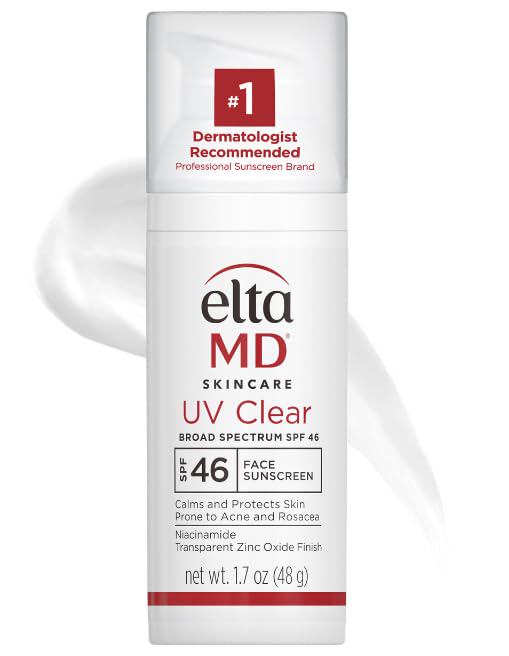
You don’t need to overhaul your life to make a difference. The single most effective step you can take to slow the development of new sun spots is consistent, daily application of a broad-spectrum sunscreen with an SPF of at least 30. Not just for the beach—for your morning coffee run, your commute, your gardening hours. The spots you already have might not disappear, but you can stop new ones from forming.
Beyond sunscreen, wear a wide-brimmed hat and sunglasses, and seek shade during peak UV hours (10 a.m. to 4 p.m.). If you have existing spots you’d like to address, prescription creams or treatments like laser therapy are options—but always consult a dermatologist first. Prevention remains the most reliable tool.
Your skin is a living organ, and it has a long memory. The spots you see today are a quiet record of sunny afternoons past. That’s not a reason for regret—it’s a reason to be a little more mindful from now on.