You’ve probably heard the phrase “sugar is bad for your skin,” but the real story runs deeper than breakouts and puffiness. One of the most significant—and least discussed—effects of a high-sugar diet is the gradual, silent breakdown of your skin’s structural support. Over time, the same sweetness you crave can soften the very scaffold that keeps your face firm and your skin smooth.
At the center of this process is a natural (but accelerated) biochemical reaction called glycation. It’s not a trendy buzzword or a cosmetic gimmick; it’s a well-documented pathway that scientists have linked to aging skin, stiffened arteries, and even diabetic complications. The good news is that understanding how sugar causes skin elasticity loss puts you in a position to protect your collagen.
What happens to collagen when you eat sugar?
Collagen is the most abundant protein in your body. It forms the dense, rope-like fibers that give skin its bounce, strength, and resilience. But collagen molecules are not invincible. When you consume excess sugar—especially glucose and fructose—these sugar molecules can attach themselves to collagen fibers in a process known as glycation.
This attachment creates abnormal structures called advanced glycation end-products (AGEs). Once AGEs form, they cross-link adjacent collagen fibers, locking them together. Imagine a net that’s supposed to be flexible, but someone has glued all the knots in place. That’s what happens inside your dermis: collagen becomes stiff, brittle, and less able to bounce back after being stretched or compressed. The result is visible sagging, fine lines, and a loss of that youthful recoil.
Why elastin suffers too
Collagen isn’t the only victim. Elastin, the protein that allows your skin to snap back into place after a smile or a stretch, is also vulnerable to glycation. When elastin fibers become cross-linked by AGEs, they lose their ability to recoil. Think of a rubber band left in the sun too long—it becomes slack and never quite returns to its original shape. Your skin behaves the same way under the cumulative load of high blood sugar.
Together, damaged collagen and compromised elastin produce the classic signs of premature aging: thinning skin, deeper wrinkles, jowls, and a loss of facial volume that no moisturizer can restore.
The slow timeline: how AGEs build up over years
Glycation is not an overnight event. It accumulates gradually over months and years, which is why skin elasticity loss often sneaks up on people in their 30s and 40s. Once AGEs form, they are remarkably resistant to the body’s normal repair mechanisms. Some cross-links are essentially permanent, meaning that prevention and slowing the process matter far more than trying to reverse advanced damage.
Your body does have some natural defenses. Enzymes like glyoxalase can break down early glycation intermediates before they become full AGEs, but this protective system becomes less efficient with age and under sustained dietary stress. When you consistently eat high-sugar meals—especially paired with low antioxidant intake—you overwhelm the system, and AGEs accumulate faster.
How much sugar is too much for skin health?
There is no magic threshold where your skin suddenly starts sagging, but research gives us clear guidelines. A study published in the Journal of the American Academy of Dermatology found that women with higher blood glucose levels looked older than those with lower levels, even after controlling for sun exposure and smoking. Other data suggests that a diet with more than 75–100 grams of added sugar per day (about two sodas and a pastry) is associated with measurably more skin wrinkling.
The American Heart Association recommends limiting added sugar to no more than 25 grams per day for women and 36 grams for men. From a skin-aging standpoint, sticking close to those numbers is wise. Keep in mind that natural sugars in whole fruit come with fiber, vitamins, and antioxidants that actually help protect collagen, so the focus should be on added sugars in processed foods.
Practical ways to protect your collagen
You don’t have to go sugar-free overnight to make a real difference for your skin. Here are four evidence-backed strategies:
- Replace high-glycemic carbs with low-glycemic alternatives. Swapping white bread, sugary cereals, and soda for whole grains, legumes, and unsweetened beverages reduces the glucose spikes that feed glycation.
- Eat foods rich in carnosine and vitamin B6. Carnosine (found in beef, chicken, and fish) has been shown to inhibit glycation in lab studies. Vitamin B6, plentiful in spinach, bananas, and potatoes, helps the body’s natural anti-glycation enzymes work properly.
- Load up on antioxidants. Vitamin C, vitamin E, and polyphenols (from berries, green tea, and dark chocolate) can trap the reactive molecules that form AGEs before they damage collagen fibers.
- Apply topical niacinamide and retinoids. Niacinamide (a form of vitamin B3) has been clinically shown to reduce yellowing and improve elasticity by interfering with AGE formation. Retinoids accelerate skin cell turnover and stimulate new collagen production, offsetting some of the damage that’s already been done.
Does quitting sugar reverse existing damage?
This is one of the most common questions, and the honest answer is nuanced. Cutting out excess sugar will stop the accelerated formation of new AGEs, and your body can gradually clear some of the more transient early glycation products. But the deep, cross-linked AGEs that have been accumulating for decades are not easily undone.
What you can expect is noticeable improvement in skin tone, texture, and elasticity simply because you are no longer actively degrading collagen. Many people report firmer, brighter skin within a few months of adopting a low-sugar diet, especially when paired with antioxidant-rich foods and a good skincare routine. It is not a full reversal, but it is a powerful halt to the process that was making things worse.
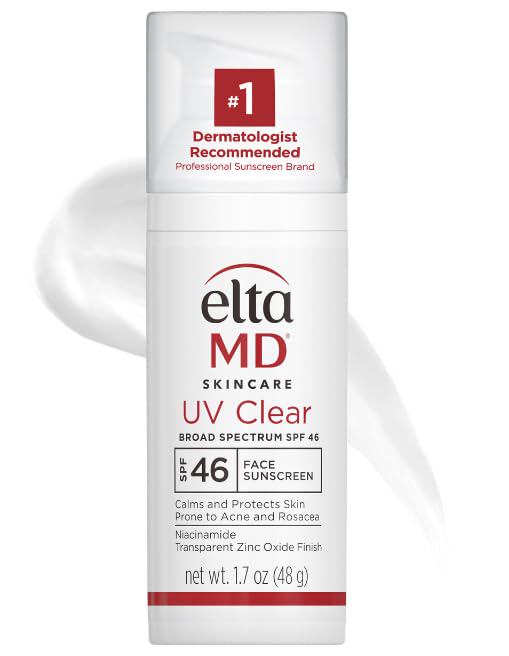
One key note: Sun exposure and glycation interact. UV radiation generates free radicals that accelerate AGE formation, and AGEs themselves make skin more vulnerable to UV damage. So wearing SPF 30+ daily is a non-negotiable partner to a low-sugar diet.
Real-world signals that glycation may be affecting your skin
How do you know if glycation is already playing a role in your skin laxity? Common signs include a sallow or yellowish tone that doesn’t improve with exfoliation, unusually stiff wrinkles that don’t soften with moisturizer, and skin that seems to “sit” on the face rather than snap back after you pinch it. If you also have a diet high in added sugars, the likelihood increases.
Keep in mind that skin elasticity loss is multifactorial: genetics, sun exposure, smoking, pollution, and hormonal changes (especially menopause) all contribute. But sugar is one of the few lifestyle factors you have direct, daily control over, making it a smart starting point for anyone concerned about aging skin.