
Gestational diabetes is a temporary form of diabetes that can develop during pregnancy, typically around the 24th to 28th week. It occurs when your body cannot produce enough insulin to handle the increased blood sugar demands of pregnancy. While the diagnosis can feel overwhelming, understanding the process—from screening to daily management—is the first step toward a healthy pregnancy for you and your baby.
This condition is more common than many realize, affecting pregnancies globally. The good news is that with careful monitoring and lifestyle adjustments, most women manage it effectively and deliver healthy babies. This guide walks you through the practical realities of diagnosis and monitoring, stripping away the anxiety to focus on clear, actionable information.
How is gestational diabetes diagnosed?
Diagnosis doesn’t mean you did anything wrong. Pregnancy hormones, particularly those produced by the placenta, can interfere with insulin's ability to regulate blood sugar. This is a natural bodily response that some are more prone to than others.
Screening is a routine part of prenatal care. Your doctor will likely recommend a glucose challenge test between 24 and 28 weeks. You’ll drink a sweet glucose solution, and a blood sample is taken an hour later to see how your body processes the sugar. If the result is higher than a specific threshold, it doesn’t confirm gestational diabetes but indicates the need for the more definitive oral glucose tolerance test.
The oral glucose tolerance test is the gold standard for diagnosis. It involves fasting overnight, having a baseline blood draw, drinking a more concentrated glucose solution, and having your blood sugar tested at one, two, and sometimes three hours afterward.
If your blood sugar levels are elevated at two or more of these time points, gestational diabetes is diagnosed. It’s a meticulous process designed to give a clear picture of your body’s glucose metabolism under stress.
What does monitoring involve?
Once diagnosed, monitoring becomes a central part of your daily routine. The primary goal is to keep your blood sugar levels within a target range set by your healthcare team.
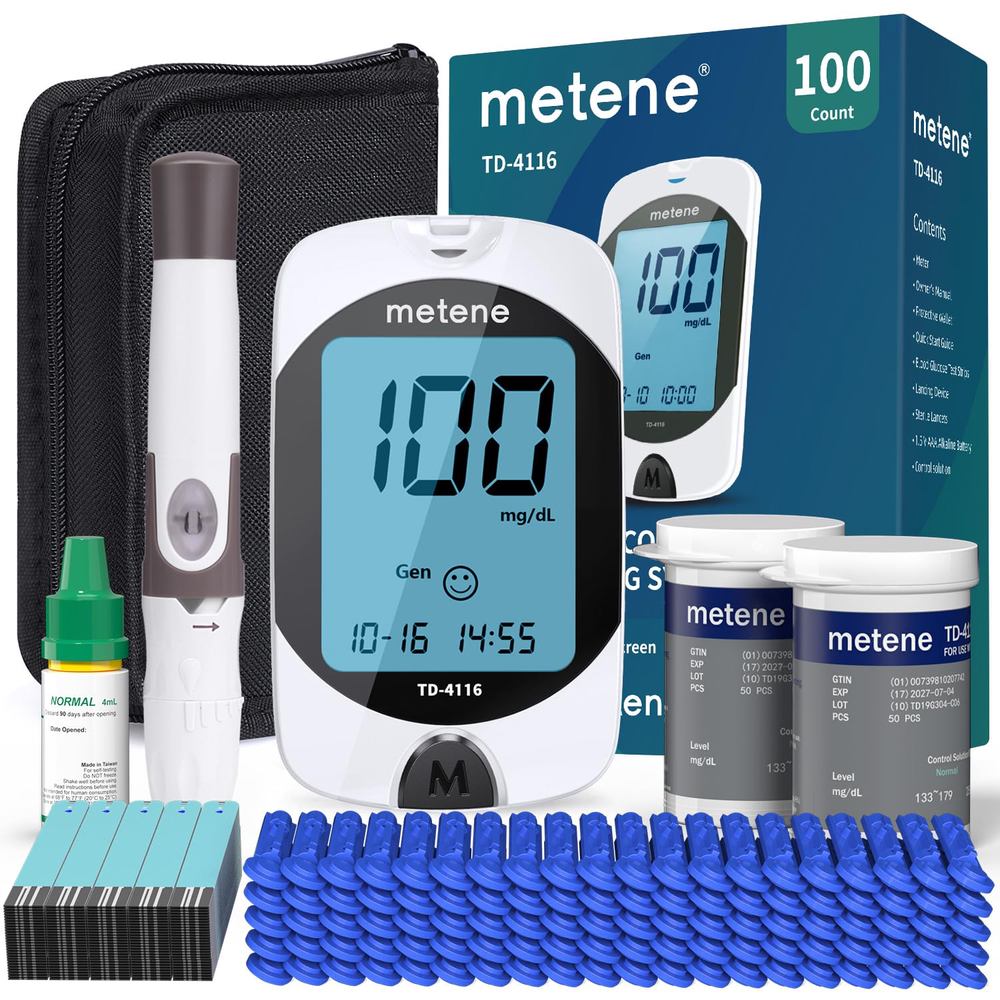
Blood sugar testing is the cornerstone. You’ll be taught how to use a glucose meter to check your levels at key times, typically first thing in the morning (fasting) and one or two hours after meals. Keeping a log of these numbers, along with notes on your meals and activity, provides invaluable data to see what works for your body.
Dietary adjustments are not about strict dieting but about balanced, mindful eating. A registered dietitian can help you create a plan that spreads carbohydrate intake evenly throughout the day, pairs carbs with protein and healthy fats, and ensures you and your baby get adequate nutrition. Think of it as tuning your fuel intake for steady energy.
- Focus on complex carbohydrates like whole grains, legumes, and vegetables.
- Incorporate lean proteins and healthy fats into each meal and snack.
- Be mindful of portion sizes, especially for starchy foods.
Physical activity helps your body use insulin more efficiently. Regular, moderate exercise like walking or swimming can make a significant difference in managing blood sugar levels. Always consult your doctor about what activities are safe for your specific pregnancy.
When is additional intervention needed?
For many, lifestyle changes are sufficient. However, if blood sugar levels remain above target despite these efforts, medication may be recommended. This is a common and safe step, not a sign of failure.
Insulin therapy is the most common medication for gestational diabetes. Insulin does not cross the placenta, so it’s considered very safe for the baby. You would learn how to give yourself injections, which use very fine needles. Some doctors may prescribe an oral medication like metformin, though its use in pregnancy is off-label and should be thoroughly discussed with your healthcare provider.
Your monitoring may become more frequent if you start medication, and you’ll work closely with your team to adjust doses as your pregnancy progresses and your insulin needs change.
What happens after the baby is born?
For most women, blood sugar levels return to normal quickly after delivery. You’ll have a blood test six to twelve weeks postpartum to confirm this. However, having gestational diabetes does increase your lifetime risk of developing type 2 diabetes later in life.
This knowledge is powerful. It provides a long-term incentive to maintain the healthy habits you built during pregnancy. Regular check-ups, a balanced diet, and staying active are your best strategies for future wellness. Your baby’s blood sugar will also be checked after birth to ensure it has stabilized.
Building a support system
Navigating this diagnosis is easier with support. Lean on your healthcare team—your obstetrician, endocrinologist, dietitian, and diabetes educator. Consider connecting with other expectant mothers managing gestational diabetes, either locally or through reputable online communities. Sharing experiences and tips can alleviate the feeling of navigating it alone.
Gestational diabetes is a manageable condition. By understanding the practical steps of diagnosis and embracing the routine of monitoring, you take active control of your health and create the best possible environment for your baby to grow.