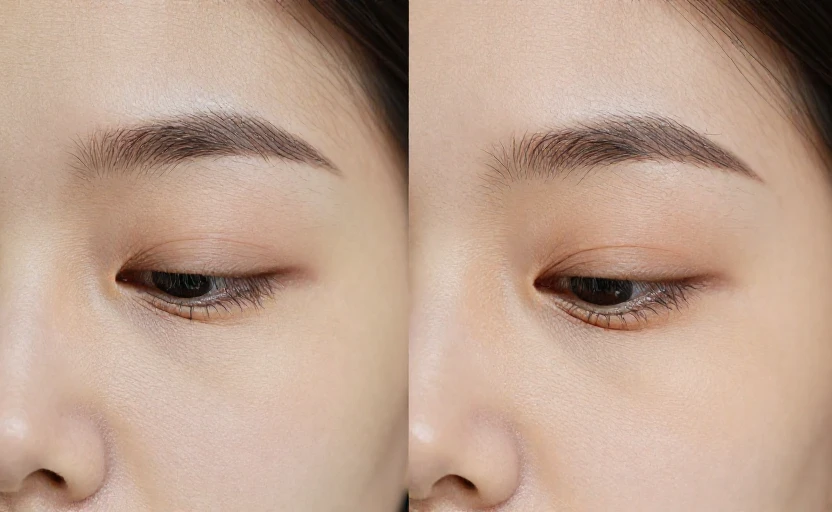
Fine lines are a natural part of the skin's aging process, appearing as delicate creases that often herald the arrival of deeper wrinkles. They're not a sign of something gone wrong, but rather a visible record of our expressions, our environment, and the passage of time. Understanding what they are—and what they aren't—is the first step in approaching them with a sense of calm and clarity.
These subtle lines typically show up first in areas of frequent movement: the corners of the eyes (crow's feet), across the forehead, and between the eyebrows. They differ from deeper wrinkles or folds in their shallowness; think of them as the faint pencil sketch before the ink is applied. While they can be a cosmetic concern for many, they also offer a unique opportunity for early, proactive care.
What Actually Causes Fine Lines?
Fine lines form due to a combination of intrinsic and extrinsic factors that gradually alter the structure of your skin. Intrinsic aging is the genetic, biological clock that dictates how our skin cells renew themselves and produce key structural proteins. Over time, this natural process slows down. Cell turnover decreases, and the production of collagen and elastin—the proteins that give skin its plumpness and snap—diminishes. The result is skin that is thinner, drier, and less resilient.
Extrinsic aging, however, accounts for up to 90% of visible skin changes. This is the aging caused by external, often modifiable, factors. Sun exposure is the single most significant contributor. Ultraviolet (UV) radiation breaks down collagen and elastin fibers and impairs the skin's ability to repair itself, a process known as photoaging.
Other major extrinsic factors include:
- Repetitive Facial Movements: Smiling, squinting, and frowning create temporary folds. As skin loses elasticity with age, these folds can become permanently etched.
- Environmental Pollutants: Airborne particles can generate free radicals, unstable molecules that damage skin cells and accelerate aging.
- Lifestyle Habits: Smoking constricts blood vessels, depriving skin of oxygen and nutrients, while also damaging collagen. Inconsistent sleep and high stress can elevate cortisol levels, which may break down collagen.
- Skin Dehydration: When the skin's moisture barrier is compromised, it can look dull and feel tight, making fine lines more apparent.
Prevention: The Most Powerful Approach
The best strategy for fine lines is to delay their onset and minimize their depth. This isn't about chasing perfection, but about supporting your skin's long-term health. A consistent, gentle routine built on a few pillars can make a profound difference.
Sun Protection is Non-Negotiable
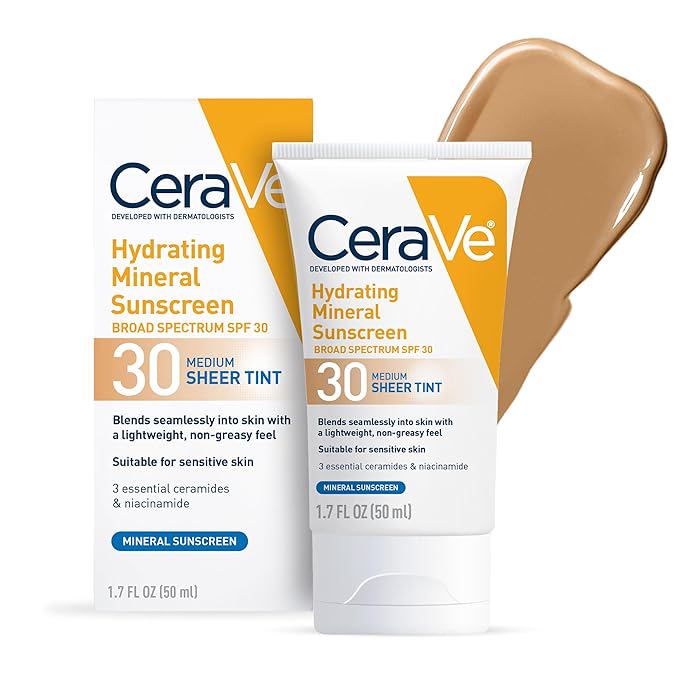
Daily, year-round sunscreen use is the cornerstone of preventive skincare. Look for a broad-spectrum formula with an SPF of 30 or higher. Apply it every morning, even on cloudy days and when you're indoors near windows, as UVA rays penetrate glass. Think of it not as a chore, but as the most effective anti-aging product in your arsenal.
Nourish and Hydrate the Skin Barrier
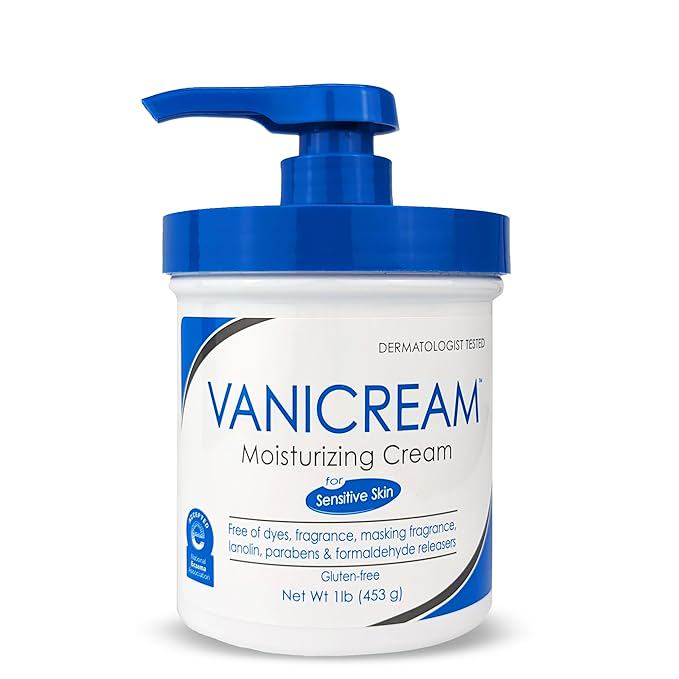
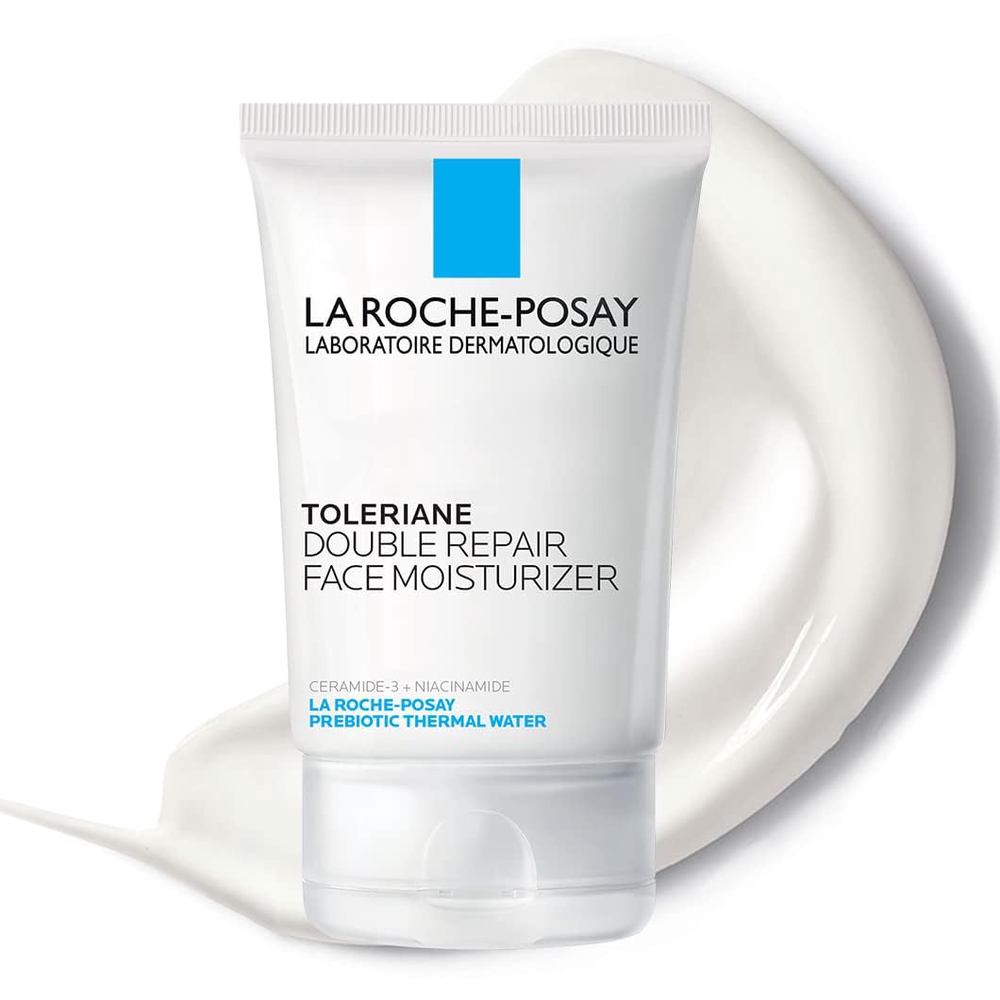
A strong, hydrated skin barrier looks plumper and smoother, which can make fine lines less noticeable. This starts with a gentle cleanser that doesn't strip the skin. Follow with a moisturizer containing ingredients like ceramides, hyaluronic acid, or glycerin, which help bind water to the skin. At night, a slightly richer cream can support the skin's natural repair processes.
Consistency beats intensity. A simple routine you do every day is far more effective than a complex one you use sporadically.
Incorporate Key Supporting Ingredients
Certain topical ingredients have strong evidence for supporting skin health and addressing early signs of aging.
- Vitamin C (Ascorbic Acid): A potent antioxidant that helps neutralize free radicals from sun and pollution. It can also brighten skin and support collagen production.
- Retinoids (including Retinol): Vitamin A derivatives that are considered the gold standard for addressing fine lines. They work by accelerating cell turnover and stimulating collagen synthesis. Start slowly to allow your skin to adjust.
- Peptides: These short chains of amino acids act as messengers, signaling the skin to produce more collagen.
Introduce one new product at a time, and give it several weeks to see results. Patience is key.
Treatment Options for Existing Fine Lines
If you're looking to soften the appearance of lines that have already formed, a range of options exists, from over-the-counter solutions to professional treatments. The right path depends on your skin, your goals, and your budget.
Topical Treatments and Serums
Beyond preventative ingredients, some topicals are formulated specifically to improve the appearance of fine lines. Prescription-strength retinoids (like tretinoin) are highly effective. For a non-prescription route, look for stabilized retinol or bakuchiol, a plant-based alternative. Niacinamide (Vitamin B3) is another versatile ingredient that can improve skin elasticity and barrier function.
In-Office Procedures
For more pronounced results, dermatologists and licensed aestheticians offer treatments that go deeper.
- Chemical Peels: A controlled application of an acid solution (like glycolic or lactic acid) exfoliates the outer layers of skin, encouraging regeneration and a smoother surface texture.
- Laser Therapies: Non-ablative fractional lasers create microscopic injuries in the dermis to trigger the body's wound-healing response, boosting collagen production without damaging the surface.
- Microneedling: Using fine needles to create controlled micro-injuries, this procedure stimulates collagen and elastin. It can be combined with topical serums for enhanced absorption.
- Neuromodulators (e.g., Botox): These are injectables that temporarily relax the underlying muscles responsible for dynamic wrinkles (like frown lines or crow's feet). They prevent the muscle contraction that etches the line deeper.
It's essential to consult a board-certified dermatologist or a highly qualified medical professional to discuss these options. They can assess your skin, explain potential risks and downtime, and recommend the most appropriate course of action for you.
Embracing a Holistic View
Skin health is deeply connected to overall well-being. Managing stress through mindfulness or gentle movement, prioritizing quality sleep (often called 'beauty sleep' for a reason), and maintaining a balanced diet rich in antioxidants from fruits and vegetables all contribute to your skin's vitality. Staying well-hydrated by drinking water supports your skin's moisture from the inside out.
Finally, it's worth remembering that fine lines are a universal human experience. They speak to a life lived—to laughter, concentration, and expression. A healthy approach balances proactive care with self-acceptance, aiming for skin that feels nourished and resilient, at any age.