Fine lines are the gentle creases that first appear on our skin, often around the eyes, mouth, and forehead. They’re not deep wrinkles, but rather the subtle beginnings of texture change—a natural part of skin’s story. While they can feel like an unwelcome sign of aging, they’re also a normal response to a lifetime of expressions, sun exposure, and the skin’s own biological processes. Managing them isn’t about erasing time, but about supporting your skin’s health with consistent, thoughtful habits.
This guide walks through the practical, everyday factors that contribute to fine lines and the straightforward, non-invasive approaches that can help soften their appearance and support resilient skin.
What Exactly Are Fine Lines?
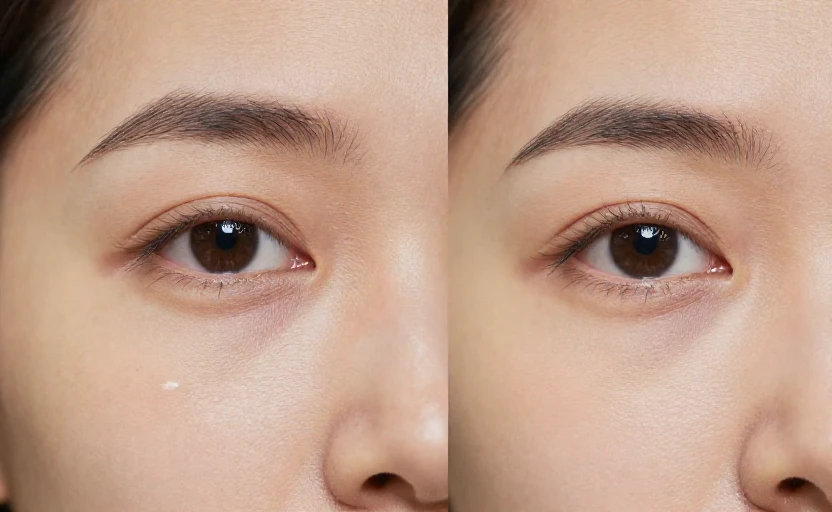
Think of fine lines as your skin’s first etchings. They are shallow, superficial lines that typically appear in areas where the skin folds repeatedly with movement—like when you smile, squint, or frown. They differ from deeper wrinkles or folds, which are more structural and involve a greater loss of underlying support. Fine lines are often most visible when your skin is dry or under harsh lighting, and they may temporarily smooth out when the skin is well-hydrated and plump.
The Everyday Contributors to Fine Lines
Several factors work together, often over years, to make these lines more apparent. Understanding them is the first step toward a sensible management plan.
The Role of Collagen and Elastin
Your skin’s framework is built from proteins: collagen provides firmness, while elastin allows it to snap back. Starting in our mid-to-late twenties, our bodies naturally produce less of these proteins each year. This gradual decline means skin becomes thinner and less resilient over time. Repetitive motions then leave a more lasting impression.
Sun exposure is the single most significant accelerator of this protein breakdown, far outpacing the effects of chronological aging alone.
Sun Exposure: The Primary External Factor
Ultraviolet (UV) radiation from the sun penetrates the skin and damages the DNA in skin cells. It breaks down collagen and elastin fibers through a process called photoaging. This doesn’t just happen at the beach; it’s the cumulative effect of daily, unprotected exposure—driving in the car, walking the dog, or sitting by a window. Fine lines from photoaging often appear more etched and leathery than those from expression alone.
Movement and Expression
The muscles of our face are in near-constant use. Every smile, squint, and thoughtful furrow of the brow creates a temporary fold. As skin’s elasticity diminishes with age, these folds don’t bounce back as completely, eventually settling into fine lines. The pattern of your lines is uniquely yours, a map of your most common expressions.
Skin Hydration and Barrier Health
Well-hydrated skin looks plumper, which can temporarily make fine lines less visible. When the skin’s outer barrier is compromised—by harsh weather, drying products, or simply not drinking enough water—it loses moisture. This dehydration emphasizes every tiny line and crease. A strong, healthy skin barrier helps lock in moisture and protect against environmental stressors.
Lifestyle and Environmental Stressors
Other factors can compound the primary causes. Smoking constricts blood vessels, depriving skin of oxygen and nutrients while creating repetitive lip movements. Pollution can generate free radicals that damage skin cells. Chronic stress elevates cortisol, which can break down collagen. Even sleep position matters—pressing your face into a pillow night after night can create “sleep lines.”
A Practical, Everyday Management Approach
Managing fine lines is about consistency, not miracles. It’s a blend of protection, nourishment, and gentle care.
Sun Protection is Non-Negotiable
This is the cornerstone. Use a broad-spectrum sunscreen with SPF 30 or higher every single day, rain or shine. Reapply every two hours during prolonged outdoor activity. Don’t forget your neck and the back of your hands. Complement sunscreen with physical barriers like wide-brimmed hats and sunglasses, which also prevent squinting.
Support Your Skin’s Hydration
Hydration works from the inside out and the outside in.
- Internal: Drink water consistently throughout the day. Eating water-rich fruits and vegetables also contributes.
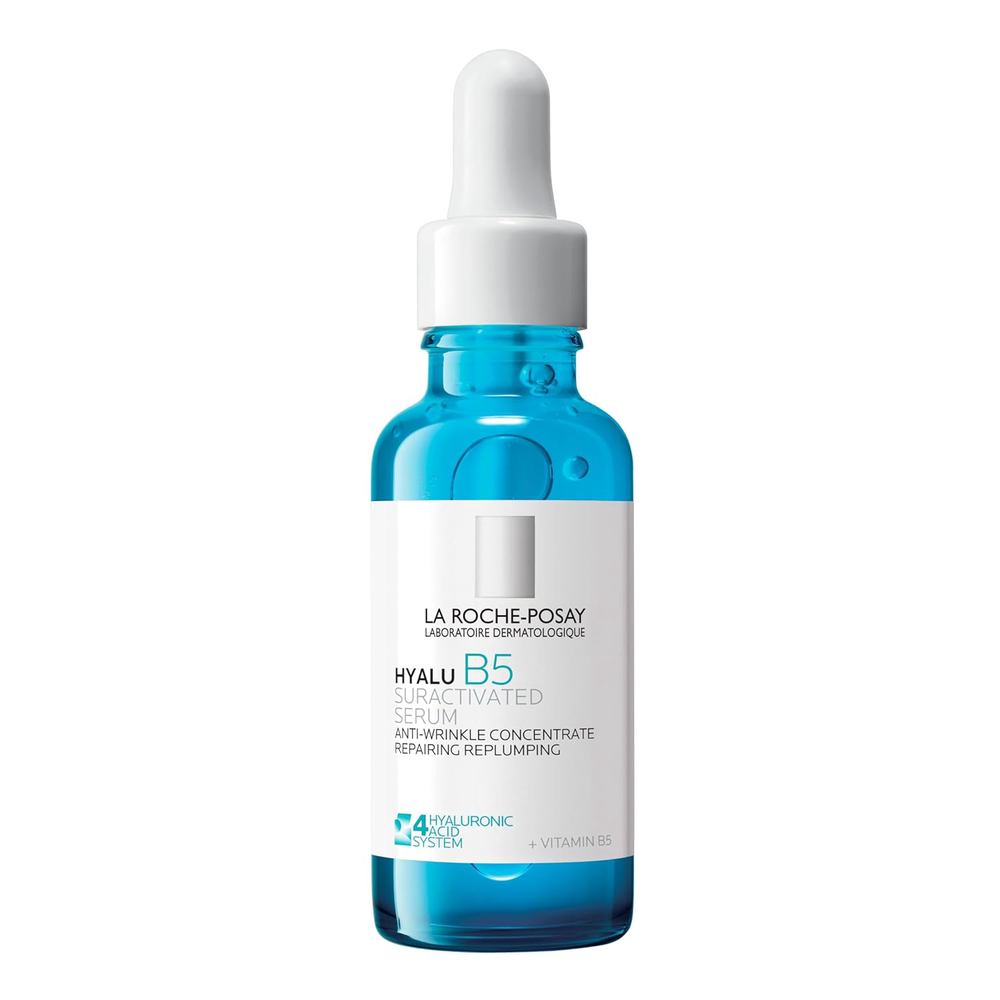
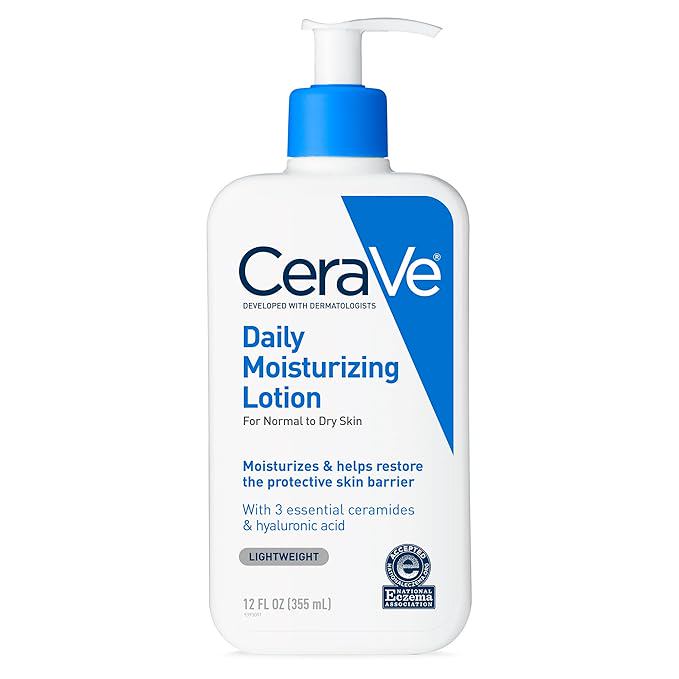
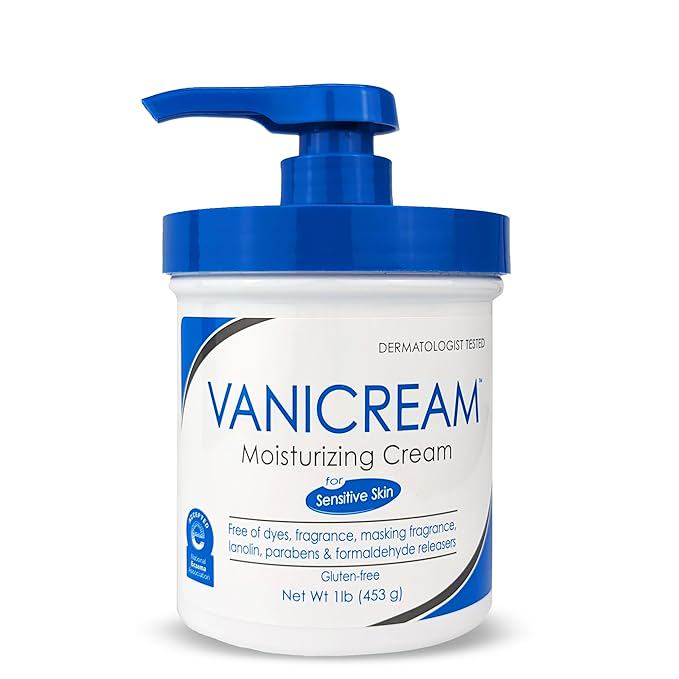
- External: Use a gentle cleanser that doesn’t strip the skin. Follow immediately with a hydrating toner or serum containing ingredients like hyaluronic acid or glycerin, which attract water. Seal it in with a moisturizer suited to your skin type.
Consider Topical Antioxidants and Retinoids
Certain ingredients, applied consistently, can support skin health at a cellular level.
Antioxidants (like Vitamin C, Niacinamide, Vitamin E) help neutralize free radicals from sun and pollution before they can cause damage. A Vitamin C serum in the morning, under sunscreen, offers a powerful one-two punch of protection.
Retinoids (including retinol, available over-the-counter) are vitamin A derivatives that can encourage skin cell turnover and support collagen production. They can be irritating, so start slowly: apply a pea-sized amount 2-3 nights a week, after moisturizer, and always follow with sunscreen in the morning.
When introducing a new active ingredient like retinol, patience is key. Start with a low concentration and use it infrequently to allow your skin to adjust.
Adopt Gentle Skin Habits
How you treat your skin matters. Avoid harsh scrubbing. Pat your face dry instead of rubbing. When applying skincare products or makeup, use gentle, upward strokes. Consider sleeping on your back or using a silk or satin pillowcase to reduce friction. Manage stress through activities like walking, meditation, or deep breathing—your skin will thank you.
When to Consider Professional Guidance
If your fine lines are a significant concern, a consultation with a board-certified dermatologist or a licensed aesthetician can provide personalized guidance. They can assess your skin, confirm your management plan is on track, and discuss in-office procedures if you’re interested. These might include professional-grade chemical peels, microdermabrasion, or laser treatments designed to resurface the skin and encourage renewal.
Remember, fine lines are a universal part of human skin. A practical management routine isn’t about fighting aging—it’s a form of self-care, a way to nurture your skin’s health and feel confident in its appearance for years to come.