There’s something quietly satisfying about a slow cooker. It’s the promise of a flavorful, tender meal waiting for you at the end of a long day, with minimal hands-on effort. Yet, the gap between a good slow cooker chicken and a truly great one often comes down to a few simple techniques. We’ve gathered insights from professional chefs to help you bridge that gap, turning your reliable appliance into a tool for consistently delicious, restaurant-worthy chicken dishes.
The key lies in understanding how to build flavor from the start and protect texture throughout the long, gentle cooking process. With these chef-approved strategies, you can move beyond basic recipes and create chicken that’s deeply savory, perfectly moist, and anything but boring.
Why is browning chicken first so important?
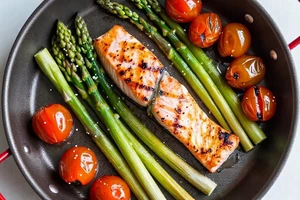
It’s the single most common piece of advice from chefs, and for good reason. While you can certainly add raw chicken to the pot, taking a few extra minutes to sear it first unlocks a world of flavor. This process, known as the Maillard reaction, creates hundreds of new flavor compounds on the surface of the meat. It adds a rich, savory depth that slow cooking alone can’t replicate.
Think of browning as building a flavor foundation. That golden crust is where the soul of the dish begins.
Heat a skillet with a bit of oil over medium-high heat. Pat your chicken pieces (thighs, breasts, or a whole cut-up bird) completely dry with paper towels—this is crucial for getting a proper sear, not a steam. Cook for just 2-3 minutes per side, until you achieve a golden-brown color. You don’t need to cook it through; you’re just building that flavor base. Then, transfer the chicken to your slow cooker. For an extra layer of taste, deglaze the hot skillet with a splash of broth, wine, or even water, scraping up all those delicious browned bits (the fond), and pour that liquid into the cooker as well.
How can I keep chicken from drying out?
The gentle, moist heat of a slow cooker is excellent for breaking down tough connective tissue, but lean cuts like chicken breast can overcook and become stringy. Chefs employ a few smart tactics to ensure succulence.
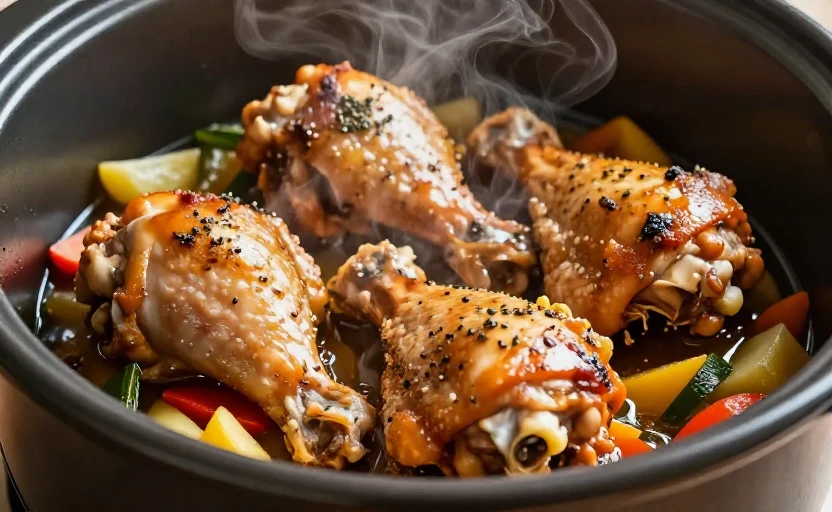
First, choose the right cut. Bone-in, skin-on chicken thighs are practically foolproof. The higher fat content and bone protect the meat during long cooking, resulting in incredibly tender, juicy results. If you prefer white meat, bone-in breasts are more forgiving than boneless. For boneless, skinless breasts, reduce the cooking time significantly—often 3-4 hours on low is sufficient.
Second, mind the liquid level. You don’t need to submerge the chicken. The slow cooker creates a sealed, humid environment. Having the liquid come about one-third to halfway up the sides of the chicken is usually plenty. Too much liquid can actually boil the meat, leading to toughness.
Finally, timing is everything. If your recipe includes vegetables that take longer to cook, like potatoes or carrots, place them at the bottom of the pot where they’ll be closest to the heat source. Place the chicken on top. This prevents the chicken from overcooking while ensuring the veggies become perfectly tender.
What are the best ways to layer flavors?
A slow cooker mellows and melds flavors beautifully, but it can also dull them if you’re not strategic. Chefs build in layers to create a complex final dish.
- Sear your aromatics: Just like with the chicken, taking a minute to sauté diced onions, garlic, or ginger in the pan after browning the meat will sweeten and deepen their flavor before they go into the pot.
- Use whole herbs and spices: Add hardy herbs like rosemary, thyme sprigs, or bay leaves at the beginning. Their flavors will infuse slowly. Delicate herbs like parsley, cilantro, or basil should be stirred in during the last 15-30 minutes to preserve their fresh, bright character.
- Finish with acidity and freshness: The long cooking process can mute bright notes. A splash of lemon juice, vinegar, or a dash of zest stirred in at the very end can lift the entire dish and make the flavors pop.
Should I thicken the sauce at the end?
Often, yes. Because the lid stays on, sauces and braising liquids in a slow cooker don’t reduce and concentrate like they do on the stovetop. You’ll frequently end up with a lot of flavorful but thin liquid. Transforming that into a luxurious sauce is a simple final step.
Once the chicken is cooked and removed from the pot, you have two excellent options. For a quick thickener, make a slurry by mixing one to two tablespoons of cornstarch with an equal amount of cold water until smooth. Turn the slow cooker to high, whisk in the slurry, and let it cook uncovered for 10-15 minutes until the sauce bubbles and thickens.
For a richer, more velvety texture, remove the liquid to a saucepan and simmer it on the stovetop over medium heat until it reduces by about one-third. You can also whisk in a tablespoon of cold butter at the end for a glossy, restaurant-style finish. Pour the finished sauce over the chicken before serving.
Can I adapt my favorite oven or stovetop recipes?
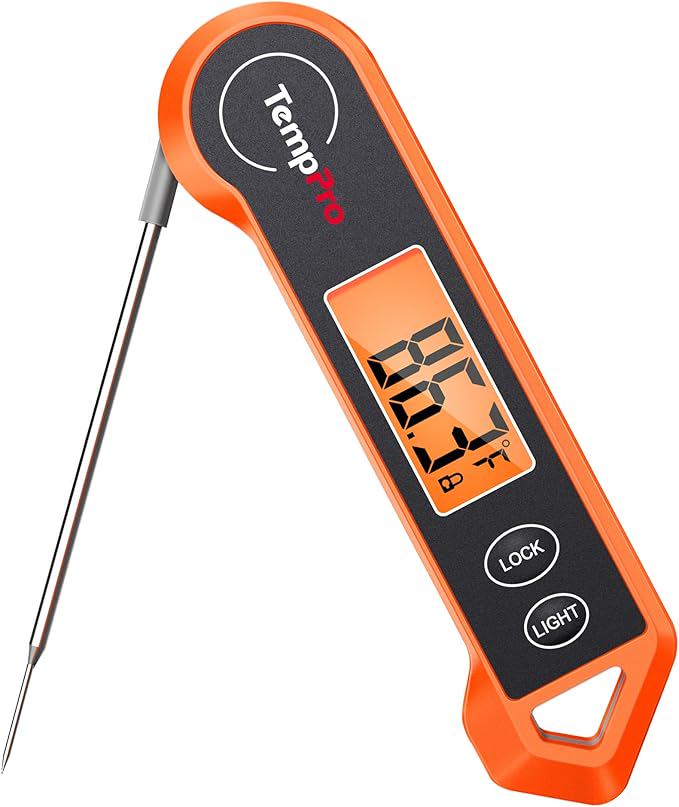
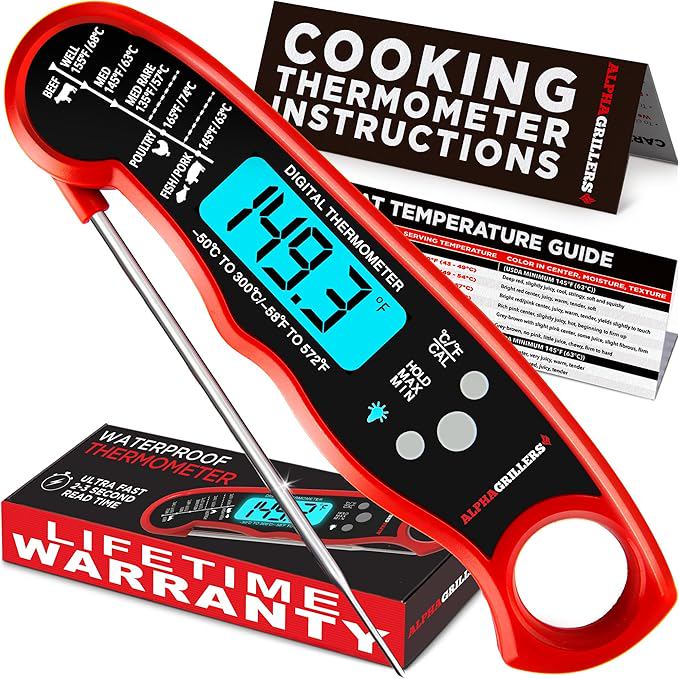
Absolutely. The slow cooker is wonderfully adaptable. The general rule is to reduce the amount of liquid called for in a conventional recipe by about one-third, since less evaporation occurs. Cooking times will vary, but as a starting point, 4-6 hours on low often equates to 1-2 hours in a moderate oven. Always ensure chicken reaches a safe internal temperature of 165°F (74°C).
Remember, the slow cooker is a tool for convenience and developing deep flavor, not for speed. Embrace its gentle pace. By starting with a good sear, choosing the right cut, layering your seasonings thoughtfully, and finishing your sauce, you’ll unlock its full potential. Your reward will be chicken dishes that are not just easy, but exceptionally good.