
Oily skin still needs hydration—skipping moisturizer won't fix shine and can actually make things worse. When your skin feels stripped, it often overproduces oil to compensate. The goal isn't to eliminate moisture; it's to choose the right textures and ingredients that hydrate without blocking pores. Here's how to strike that balance, with advice grounded in dermatology basics.
Start with a cleanser that actually suits your skin type
Many people with oily skin reach for harsh, sulfate-heavy foaming cleansers, which can backfire by stripping the skin barrier. A better approach: use a gentle cleanser formulated with glycolic acid or salicylic acid. These ingredients help dissolve excess oil and slough off dead skin cells without over-drying. If your skin feels tight or irritated after washing, that's a sign your cleanser is too strong—switch to something milder, even if your skin is oily.
Pick a moisturizer that hydrates without heaviness
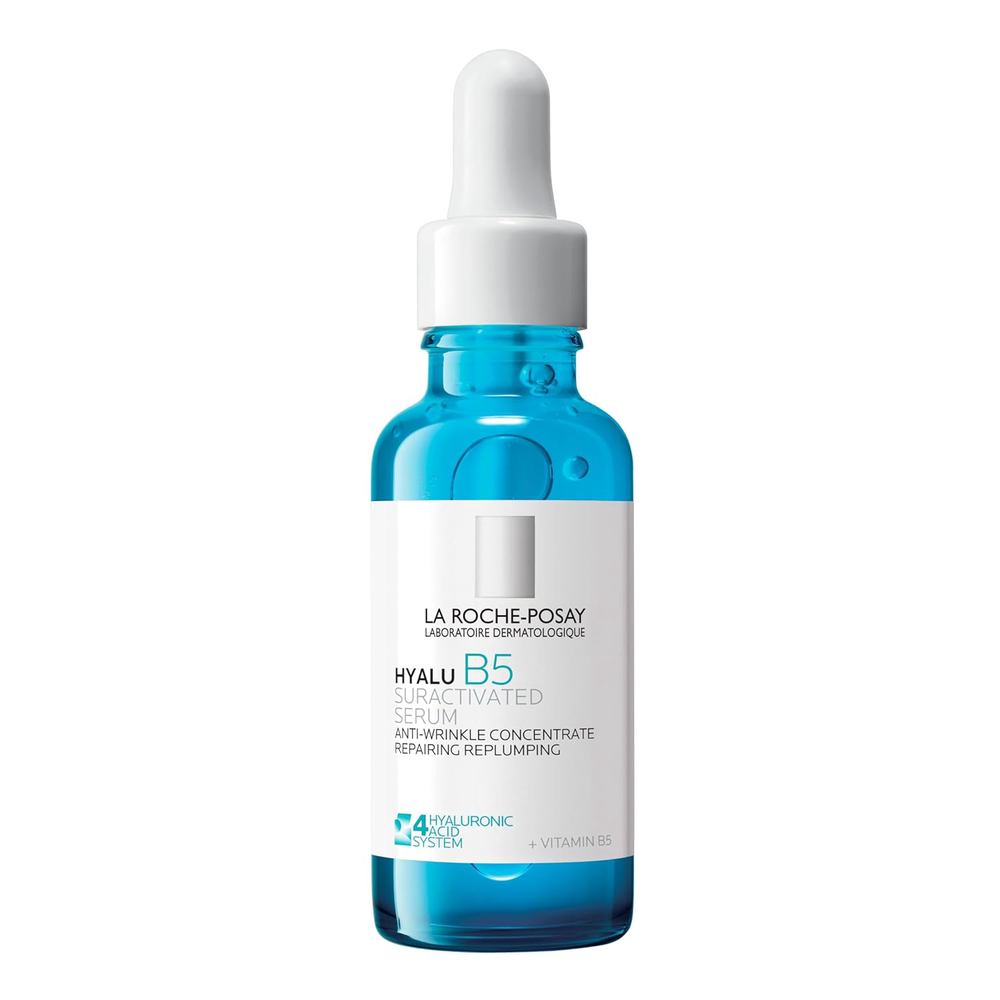
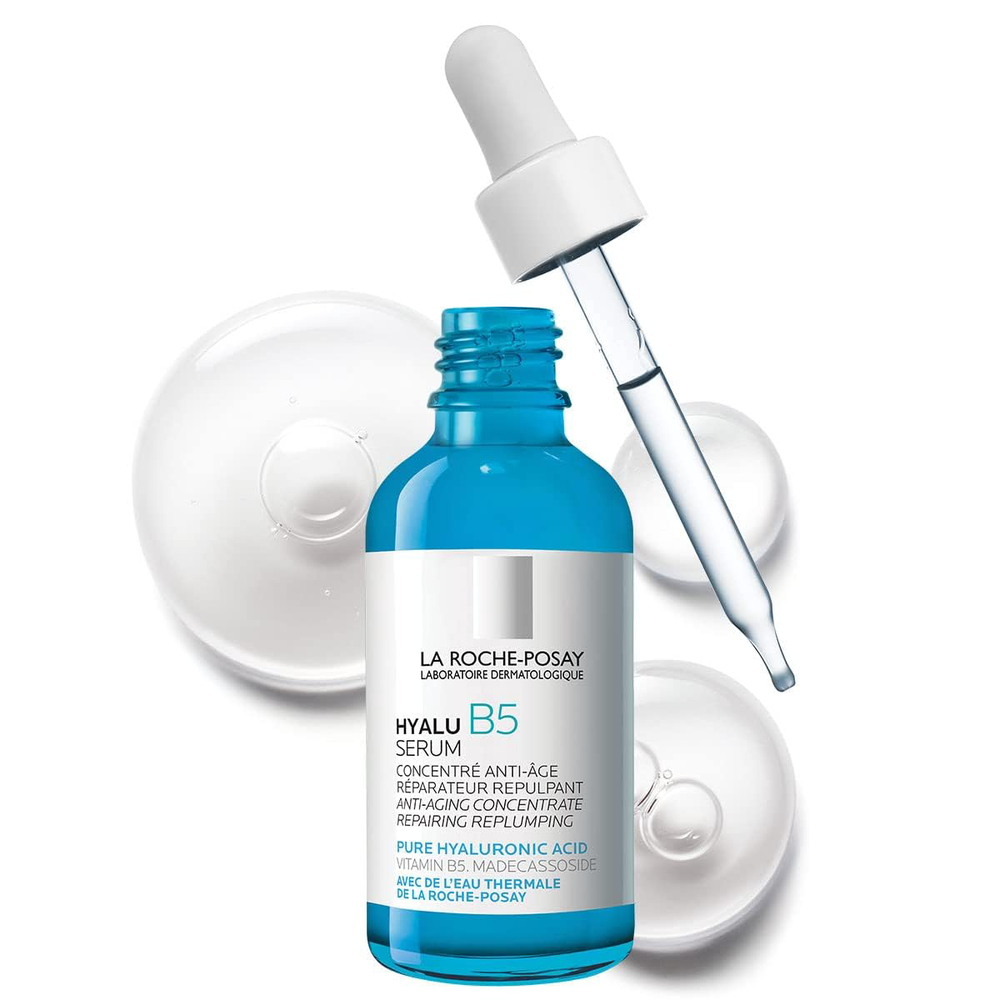
This is the most common area of confusion. Oily skin absolutely needs a moisturizer, but the formula matters. Look for lightweight, oil-free, non-comedogenic moisturizers—often labeled as gels, gel-creams, or water-based lotions. Ingredients like hyaluronic acid, glycerin, and niacinamide provide hydration without a greasy feel. If you have combination skin, you can apply a richer cream only to the dry areas and a lighter gel to the T-zone.
A quick rule of thumb: If your moisturizer sits on top of your skin like a film rather than absorbing, it's probably too heavy for your skin type.
Don't skip sunscreen—find one that won't clog pores
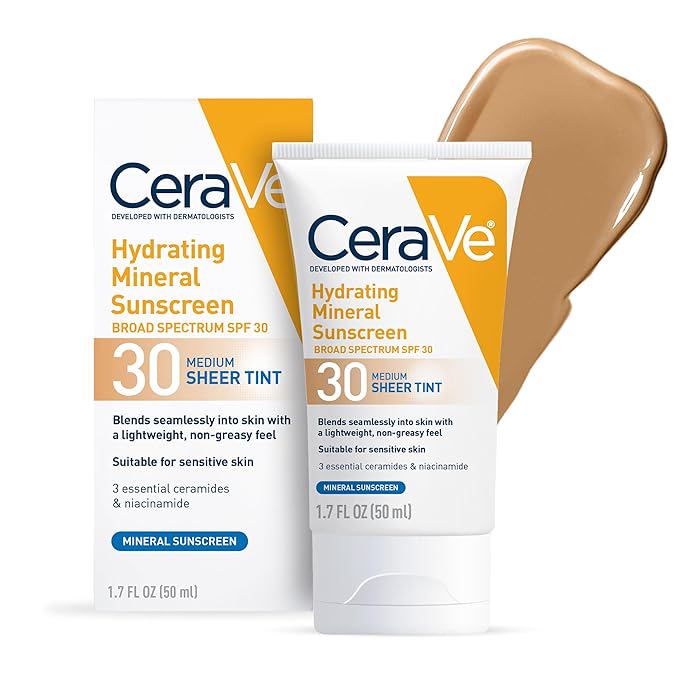
Sun protection is non-negotiable for healthy skin, and many people with oily skin avoid it because they worry about breakouts or shine. The fix? Use a matte-finish or oil-free sunscreen with an SPF of at least 30. Mineral sunscreens containing zinc oxide or titanium dioxide are often better tolerated by oily and acne-prone skin. If you still feel extra shine mid-day, a light dusting of translucent powder can absorb excess moisture without disturbing the sunscreen layer. Reapply every two to three hours if you're outdoors.
Incorporate a targeted night treatment—with caution
Night creams can be beneficial, but many are thick and comedogenic. Instead of reaching for a heavy cream, try a lightweight vitamin C lotion or serum at bedtime. Vitamin C supports collagen production and evens skin tone without adding unnecessary oil. If you have sensitive or acne-prone skin, consult a dermatologist before adding any new night treatment to avoid reactions. A good rule: start with a low concentration of active ingredients and patch test first.
Keep it simple and consistent
More products don't mean better results. A streamlined routine—cleanse, moisturize, protect—done consistently will do more for your skin than a ten-step regimen used sporadically. Let your skin breathe by removing makeup completely before bed, using a micellar water or gentle oil cleanser followed by your regular face wash. Clean your makeup brushes weekly to prevent bacteria buildup. And while supplements like vitamin D and omega fatty acids can support overall skin health, they are not a replacement for a solid topical routine.
The key takeaway for oily skin: hydration is not the enemy. The right products hydrate effectively while keeping pores clear. When in doubt, look for the words non-comedogenic and oil-free on the label, and choose textures that feel weightless on your skin.