If you have curly or coily hair, you know the struggle: you want to control frizz, but many anti-frizz products leave your scalp red, itchy, or flaky. The good news is that you don’t have to choose between smooth strands and a calm scalp. Small, expert-backed swaps in your routine and ingredients can make a real difference.
Below, we break down the most effective changes — from how you wash to what you apply — so you can keep your curls defined and your scalp happy.
Why curly scalps are prone to irritation
Curly hair tends to be drier than straight hair because natural oils have a harder time traveling down the twists. That dryness doesn’t just affect your strands — it also leaves your scalp more vulnerable to irritation. Many conventional frizz-fighting products rely on sulfates, alcohols, and heavy fragrances that strip moisture and disrupt the scalp’s natural barrier. The result? Inflammation, itching, and even more frizz as your hair tries to compensate.
Swapping to gentler, targeted products helps your scalp stay balanced while still taming flyaways.
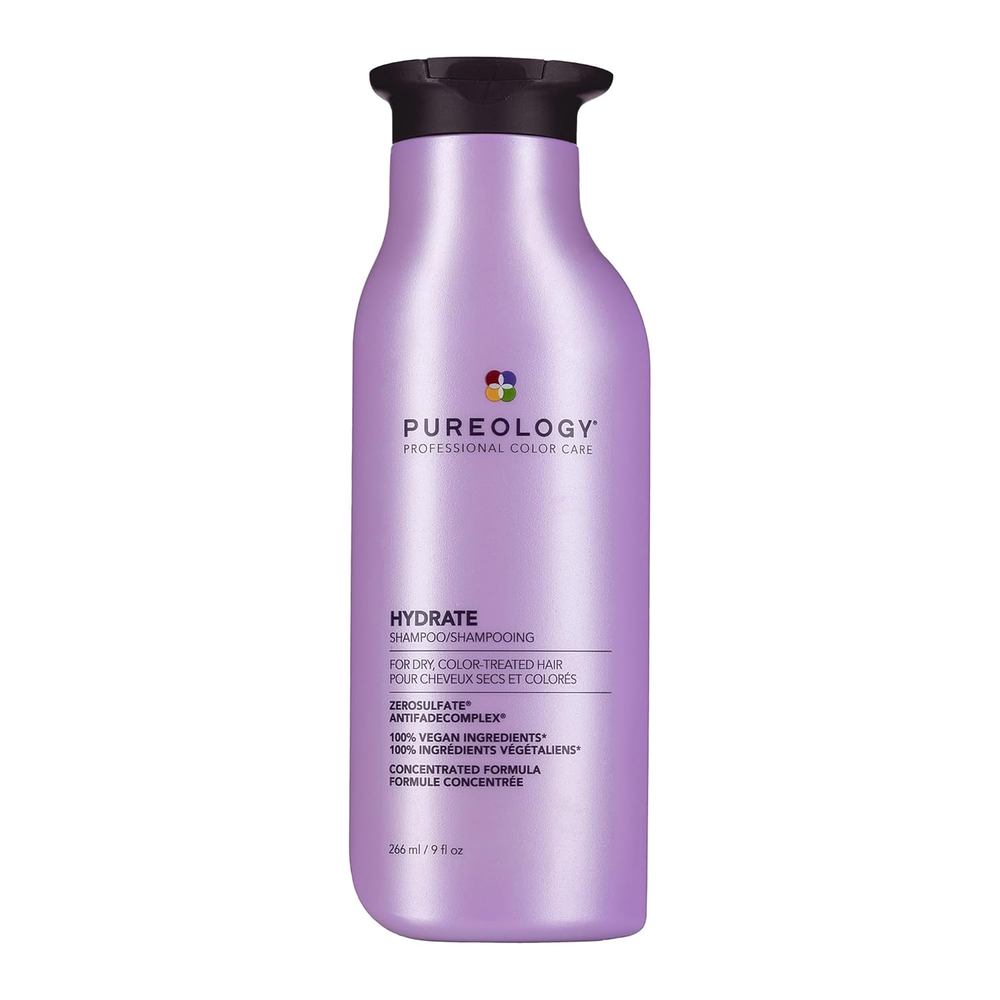
Swap No. 1: Switch to a sulfate-free, moisturizing cleanser
Sulfates (like sodium lauryl sulfate) create lots of foam, but they’re harsh detergents that strip natural oils. For curly scalps, that’s a recipe for irritation and rebound oiliness.
What to try instead: Look for a sulfate-free shampoo or a co-wash (conditioning cleanser) that uses mild surfactants such as cocamidopropyl betaine or decyl glucoside. These clean without stripping. If you have significant buildup, use a clarifying shampoo only once every two to four weeks, and follow immediately with a deep conditioner.
Swap No. 2: Replace drying alcohols with emollients
Many anti-frizz serums and gels list “SD alcohol,” “denatured alcohol,” or “isopropyl alcohol” high on the ingredients panel. These evaporate quickly, pulling moisture from your hair and scalp — which can cause stinging and flaking on sensitive skin.
What to try instead: Choose styling products with fatty alcohols like cetyl alcohol, stearyl alcohol, or cetearyl alcohol. These are moisturizing and help seal the hair cuticle without irritating. For hold, look for glycerin-based or aloe-based gels instead of drying sprays.
Swap No. 3: Use a fragrance-free leave-in or cream
Fragrance — whether synthetic or natural essential oils — is one of the most common irritants for sensitive scalps. But many leave-in conditioners and curl creams are heavily scented.
What to try instead: Opt for a fragrance-free or “hypoallergenic” leave-in conditioner that lists ingredients like shea butter, mango butter, or aloe vera as base emollients. These provide slip and moisture without triggering scalp reactions. If you love a light scent, try adding a single drop of a skin-safe oil (like jojoba) to your palm after applying leave-in — that way, you control the exposure.
Swap No. 4: Rethink your drying method
Rubbing curly hair with a terry-cloth towel creates friction that lifts the cuticle, leading to frizz — and it can also abrade a sensitive scalp.
What to try instead: Use an old cotton T-shirt or a microfiber towel. Gently scrunch your hair upward (don’t rub) to remove excess water. For the scalp, pat rather than wipe. This simple switch reduces frizz while avoiding mechanical irritation.
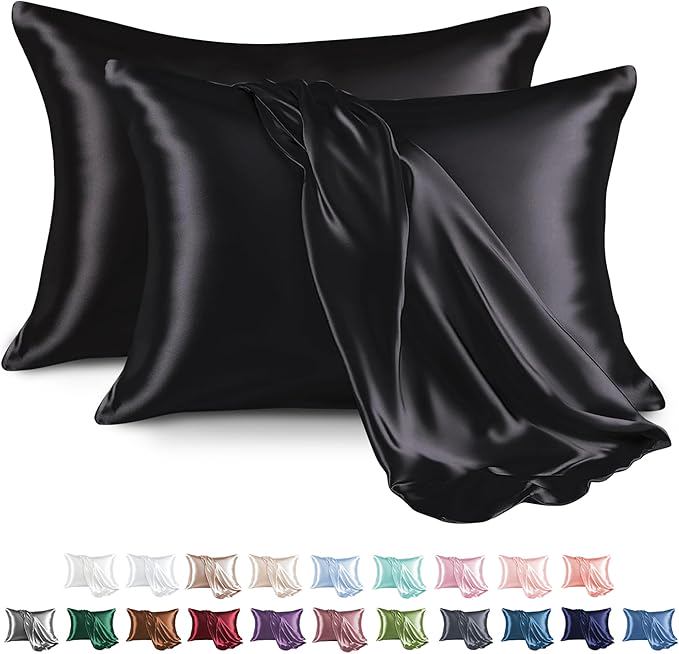
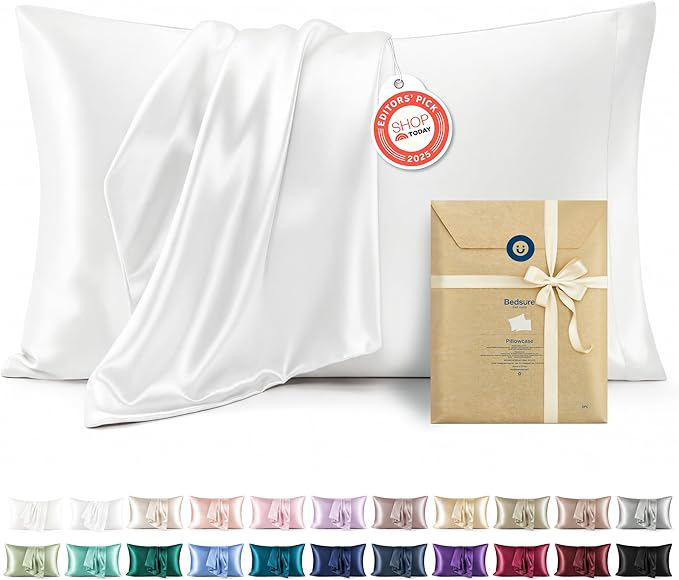
Swap No. 5: Choose a satin or silk pillowcase
Cotton pillowcases absorb moisture and create friction that disturbs the hair cuticle and can rub your scalp raw if you toss and turn.
What to try instead: A satin or silk pillowcase (or a satin hair bonnet) reduces friction, helps preserve moisture, and prevents overnight frizz. Bonus: it’s also gentler on the scalp than cotton.
Key takeaway: You don’t need harsh ingredients to stop frizz. By swapping sulfate cleansers for gentle creams, drying alcohols for moisturizing ones, and rough towels for soft cloth, you can keep your curls smooth and your scalp irritation-free. Pay attention to how your scalp feels after each product — if it stings, burns, or itches, that ingredient isn’t right for you, no matter how well it controls frizz.
For personalized advice, consult a dermatologist who specializes in textured hair. They can help you pinpoint specific triggers and recommend products that work for your unique scalp chemistry.