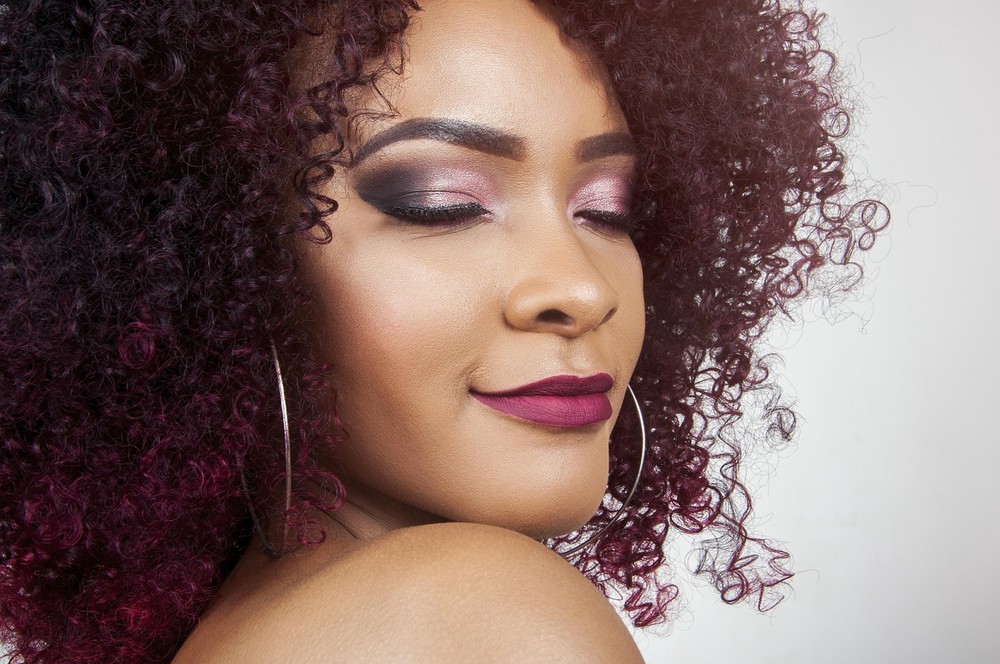
Heat styling can be one of the fastest ways to define curly hair, but it often comes with a hidden cost: dryness, frizz, and eventual breakage. For many with curls, the goal is visible definition without the cumulative harm. The good news is that you do not have to choose between a defined curl pattern and healthy strands. A few targeted swaps — backed by hair-health principles — can preserve moisture and elasticity while still giving you the shape you want.
Why heat is especially risky for curly hair
Curly hair is structurally different from straight hair. The natural twists and turns in each strand create weak points where the cuticle layer can lift more easily. When heat is applied, moisture escapes faster, and the protein bonds that give curls their shape can begin to break down. Over time, this leads to what stylists call "heat damage": a loss of curl pattern, increased porosity, and a brittle texture that is difficult to reverse.
Instead of eliminating heat entirely, the smartest approach is to change how and when you use it. The following expert-backed swaps help you maintain definition while reducing the temperature-driven stress on your hair.
Swap your standard blow-dryer for a diffuser with low-speed control
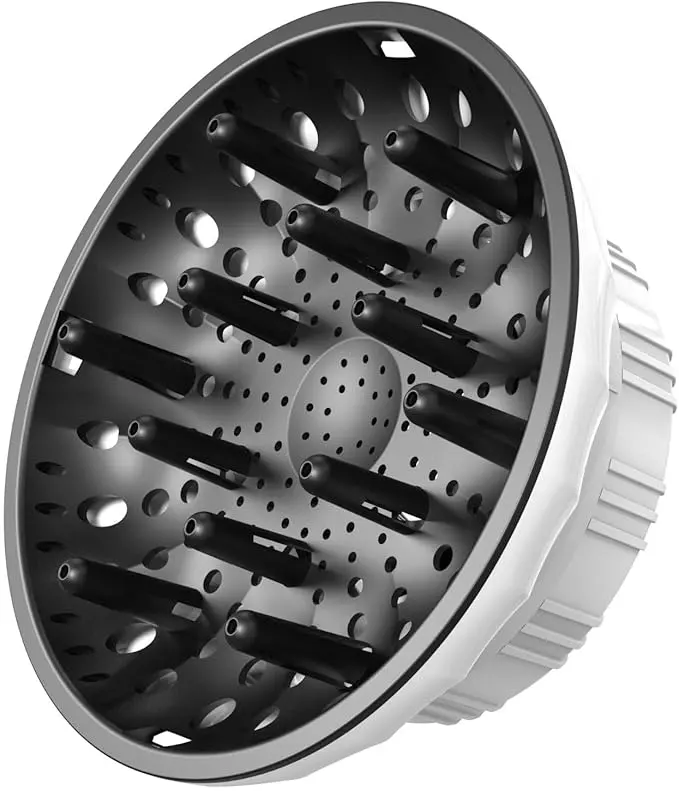
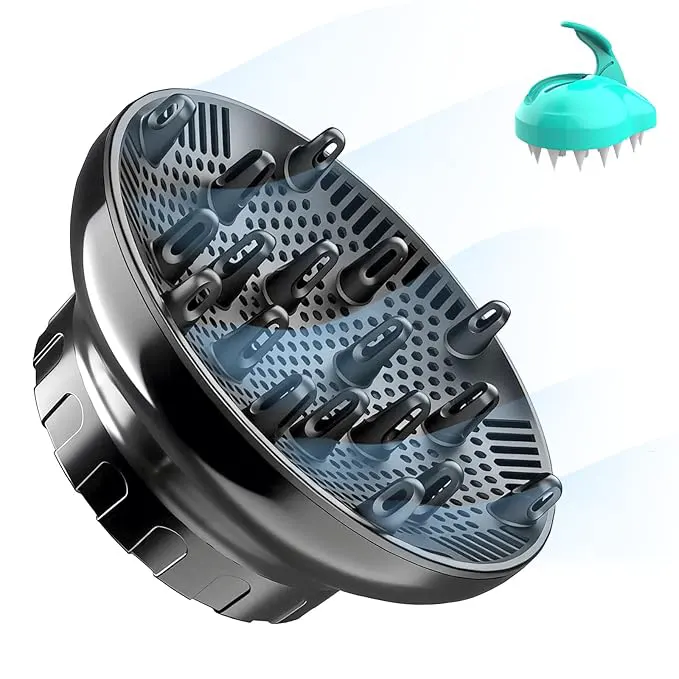
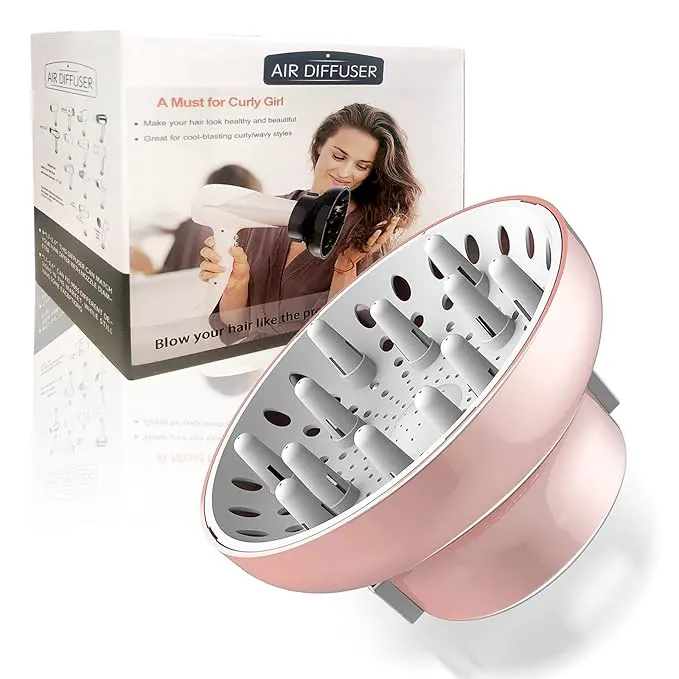
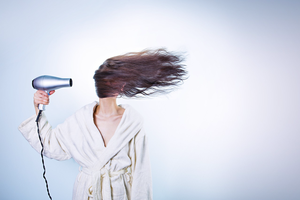
Most traditional blow-dryers push air at high velocity in a concentrated stream. For curls, that force disrupts the natural clumping of strands, creating frizz before you even start styling. A diffuser attachment disperses the airflow over a wider area, so curls stay clumped and undisturbed.
Look for a diffuser with adjustable speed settings — ideally a low or medium speed — so you can dry without blasting moisture out of the hair shaft. The goal is gentle evaporation, not forceful drying. If your current dryer does not have a low-speed option, that is the single most impactful swap you can make. Use the diffuser with the dryer on the cool or warm setting, hovering it near your scalp and letting the air flow around the curls rather than directly into them.
Replace high heat with a medium heat-and-air combo
Many people assume that higher heat means faster drying and better hold. In reality, heat above 300°F (about 150°C) can start to denature the keratin proteins that form each strand. For curls, which are already more fragile, the safe zone is generally between 200°F and 280°F, depending on your hair's porosity.
If your styling tool does not display its temperature, consider upgrading to a heat-styling tool with adjustable settings and a built-in thermostat. When using a blow-dryer, keep the nozzle at least six inches from your hair and move it continuously. Better still, combine medium heat with moderate airflow — the air itself does most of the drying, and the heat helps set the shape. Ending each section with a burst of cool air can help close the cuticle and lock in shine.
Trade daily heat styling for a heatless overnight set
One of the most effective swaps is not about the tool itself, but the frequency of use. Even with the best heat protectants and lower temperatures, repeated heat exposure adds up. By replacing one or two heat-styling sessions per week with a heatless method, you give your hair a chance to retain its natural moisture balance.
Heatless sets vary depending on your curl type. For looser waves, large foam rollers or a satin scarf wrap can create gentle volume overnight. For tighter curls, the "pineapple" method — gathering hair loosely at the top of the head with a silk scrunchie — preserves definition from the previous wash day. If you want more elongation, try twisting damp hair into sections and letting it dry in a satin bonnet. The result is defined hair without a single pass of heat.
Even one heat-free day per week can reduce cumulative stress on the curl pattern. The less heat you use, the more moisture your hair holds onto between washes.
Upgrade your heat protectant to one with silicones or polymers
Not all heat protectants are created equal. Many lightweight sprays offer some protection but evaporate before they can form a stable barrier. For curly hair that is already prone to dryness, a heat protectant containing heat-activated silicones (like dimethicone or amodimethicone) or film-forming polymers can create a temporary shield that spreads heat more evenly across the strand.
Apply the protectant on damp, sectioned hair before any heat touches it. Focus on the mid-lengths and ends, where damage typically appears first. Avoid saturating the scalp, which can lead to buildup. If you use a leave-in conditioner, apply that first, then layer the heat protectant on top. The combination helps seal moisture while protecting against thermal stress.
Switch from metal combs to seamless wide-tooth or detangling brushes
The tool you use to distribute product and separate curls matters almost as much as the heat itself. Metal combs or brushes with seams can snag the cuticle, creating micro-tears that become more pronounced when heat is applied. A seamless wide-tooth comb or a flexible detangling brush with rounded tips reduces friction and helps distensive tension is applied evenly.
Use the comb or brush only on wet or damp hair that has been generously conditioned or detangled with a slip-providing product. Never pull through dry curls, and avoid aggressive back-and-forth motions. Gentle sectioning with a tool that glides through hair reduces the need for repeated passes with a hot instrument later on.
Rethink your finishing products: gels and mousses over sprays
Finishing sprays often rely on alcohol as a quick-drying agent, which can strip moisture when combined with heat. For curly hair, gels and mousses that form a flexible cast are a better alternative because they hold definition without drying the strand. Look for water-based formulas that list humectants like glycerin or aloe vera toward the top of the ingredient list.
Apply the product to soaking-wet hair, scrunch upward, and then diffuse or air-dry. The cast that forms as the hair dries helps maintain curl shape, and once fully dry, you can gently scrunch again to break the cast and reveal soft, defined curls. This method reduces the need for touch-ups throughout the day and keeps the hair cuticle sealed.
Prioritize deep conditioning over protein treatments
When curls start to feel limp or look frizzy after heat styling, many people reach for a protein treatment. While protein can temporarily strengthen hair, too much can make it brittle — especially if the hair is already low in moisture. A deep conditioning mask with fatty alcohols, oils, and hydrolyzed proteins tends to be safer for curly hair that is exposed to heat on a regular basis.
Use a deep conditioner every one to two weeks, focusing on the ends. Leave it on for the time recommended on the package — usually 10 to 20 minutes — and rinse with cool water. If your hair feels soft and bouncy after, you are on the right track. If it feels straw-like or stiff, cut back on protein-heavy treatments and focus on moisture-based masks instead.
Making these swaps does not mean you have to give up the definition you love. It simply means steering your routine toward practices that respect the unique structure of curly hair — keeping it healthy, strong, and resilient for the long haul.