
Curly hair has a delicate relationship with scalp buildup. On one hand, the natural oils that keep curls defined can trap dead skin cells, product residue, and environmental debris. On the other hand, many clarifying routines strip away moisture, leaving coils brittle and frizzy. The goal is to reset the scalp without sacrificing hydration — and recent expert guidance points to specific swaps that achieve both.
Rather than reaching for a harsh sulfate shampoo every time your scalp feels congested, consider ingredients that gently lift buildup while respecting the moisture barrier. Here are five expert-backed swaps to clear scalp buildup and keep curly hair moisturized.
Swap clarifying shampoo for a pre-wash scalp treatment
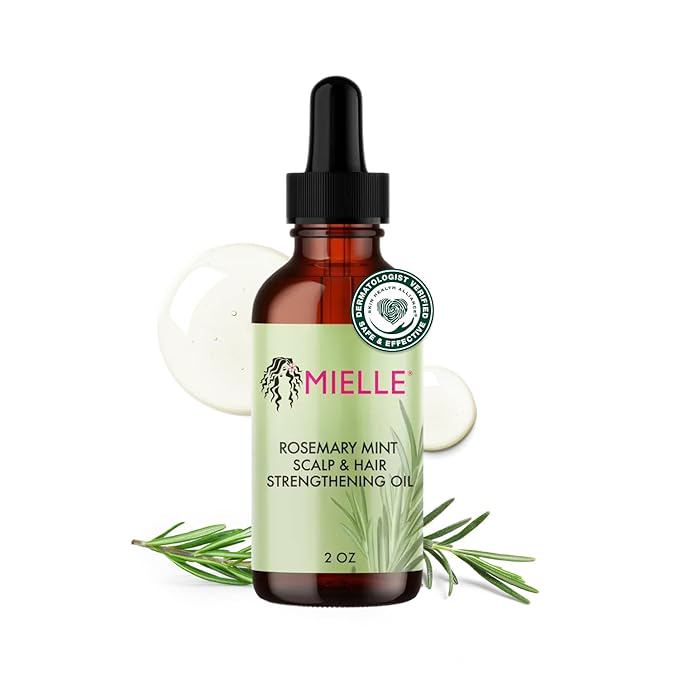
Many clarifying shampoos rely on strong detergents that can leave curls parched. A better first step is to apply a lightweight oil or a gentle micellar-based scalp treatment before shampooing. Massage a few teaspoons of jojoba or grapeseed oil into your scalp, let it sit for 10 to 15 minutes, then rinse. This dissolves excess sebum and product residue without stripping the hair shaft. For deeper buildup, a pre-wash treatment containing salicylic acid can loosen flakes gently before you cleanse.
Swap weekly deep cleanse with a balanced cowash
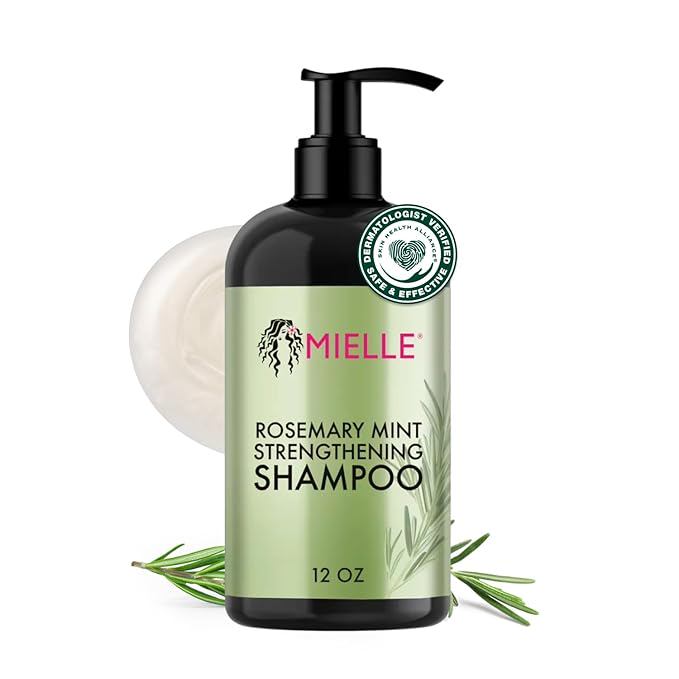
If your scalp feels greasy but your ends are dry, a full shampoo every wash day may do more harm than good. Cowashing — using a cleansing conditioner — removes light buildup while depositing moisture. For days when you need a deeper rinse, alternate with a low-poo shampoo formulated for curly hair. These contain milder surfactants that clean without disrupting the cuticle. A good rule of thumb: cowash once, low-poo the next wash day, and only reach for a strong clarifier once every three to four weeks.
Swap heavy styling products for water-based formulas
Thick butters, waxes, and creams that sit on the hair surface are common culprits behind scalp congestion. Over time, they migrate to the roots and mix with natural oil, creating a stubborn film. Swapping to water-based gels, mousses, or lightweight curl creams reduces the risk of buildup. These products hold definition with fewer occlusive ingredients, making them easier to wash out completely. Check the ingredient list: if water (aqua) is the first item, the product is likely less likely to linger on the scalp.
Swap dry shampoo for a cotton or microfiber scalp wipe
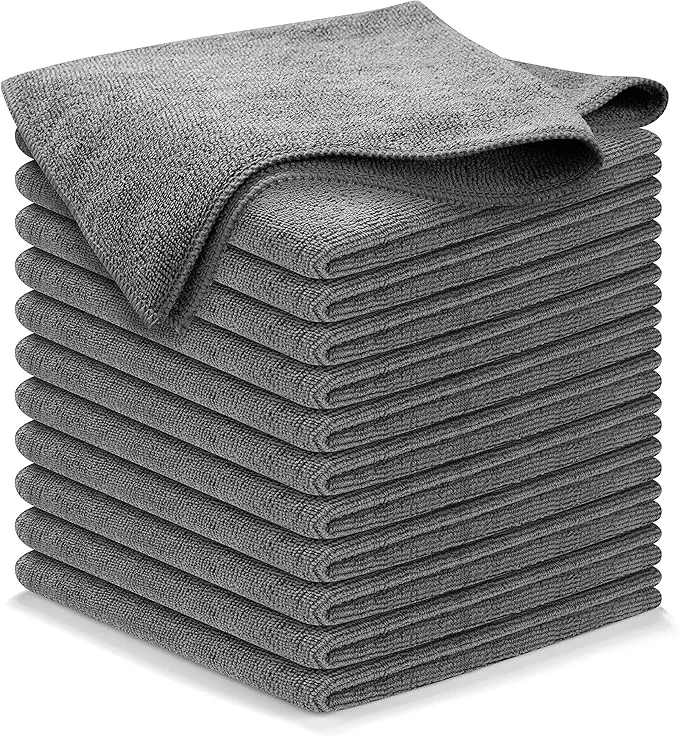
Dry shampoo can be a quick fix for oily roots, but the powders and starches often accumulate on the scalp, especially between wash days. Overuse can lead to a gritty residue that traps bacteria and dead skin. Instead, use a soft cotton or microfiber cloth to gently blot the scalp, or spritz a small amount of rose water or witch hazel on a pad and dab the oily areas. These methods absorb excess oil without adding another layer of product.
Swap a single weekly wash for a two-step cleansing routine
Sometimes one shampoo is not enough to remove buildup from multiple days of product layering. A two-step method is more effective: first, apply a gentle shampoo to the scalp only, massage thoroughly, and rinse. Then, apply the same shampoo again, this time emulsifying through the lengths and ends. The first pass breaks up surface oils and flakes; the second pass cleans the hair strands. Follow with a deep conditioner or a hydrating hair mask to restore moisture immediately after the more thorough cleanse.
Quick tip: Look for ingredients like apple cider vinegar, aloe vera, or green tea in your scalp products. They help restore pH balance and provide antioxidant support without drying curls.
When to see a dermatologist
If your scalp remains itchy, flaky, or painful despite these swaps — or if you notice patchy hair loss — it is wise to consult a dermatologist or a trichologist. Persistent buildup can sometimes signal an underlying condition like seborrheic dermatitis or psoriasis that needs medical management. These swapping strategies are designed for general scalp care and should not replace professional advice for chronic issues.
Clearing scalp buildup while keeping curly hair moisturized is a balancing act, but small ingredient and routine changes can make a big difference. The key is to choose products and methods that lift impurities without stripping the moisture your curls need to stay defined and healthy.