If you have fine hair, you know the struggle: one humid day and your sleek style turns into a frizz halo. Or the persistent itch and white flakes that seem to appear no matter how often you wash. While topical products can help, the real foundation for healthy, manageable hair starts on your plate. The right dietary swaps can strengthen strands, calm a flaky scalp, and smooth the cuticle from the inside out.
Below are expert-backed food changes that target the unique needs of fine hair. These are not about expensive supplements or radical diets—just smart, everyday choices that support less frizz and fewer flakes.
Why fine hair needs different nutrition
Fine hair has a smaller diameter than medium or coarse hair, which means it has less structural strength and is more prone to damage from environmental stress. The scalp on fine hair types also tends to be more sensitive to inflammation, which can show up as flaking or itching. Nutrition directly impacts both the hair shaft and the scalp environment. Nutrients like protein, healthy fats, and specific vitamins and minerals are the building blocks for strong keratin, a well-hydrated cuticle, and a balanced microbiome on your scalp.
Swap refined carbs for complex ones
Refined carbohydrates—think white bread, sugary cereals, and pastries—cause rapid spikes in blood sugar. These spikes can trigger inflammation throughout the body, including the scalp. For fine hair, this often translates to increased oil production, clogged follicles, and flakiness. Replace refined carbs with complex carbohydrates like oats, quinoa, sweet potatoes, and legumes. These release energy slowly, keeping blood sugar stable and reducing the inflammatory response that can worsen dandruff and frizz. The fiber in these foods also supports gut health, which is closely linked to skin and scalp health.
Prioritize omega-3s from food sources
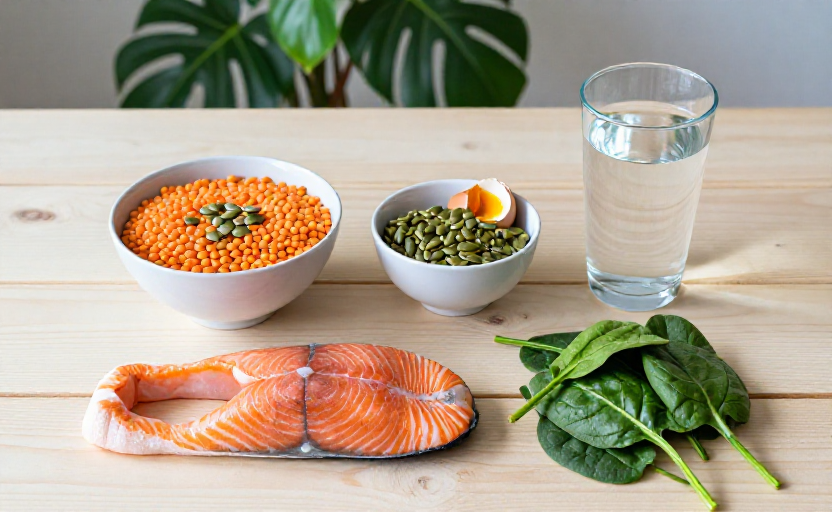
Omega-3 fatty acids are powerful anti-inflammatory agents. They help regulate the scalp's oil production and reduce the dryness that leads to flaking. For fine hair, they also support the cell membranes of the hair follicle, improving elasticity and reducing breakage. Instead of reaching for supplements first, try adding two to three servings of fatty fish per week—salmon, mackerel, or sardines. If you prefer plant-based options, ground flaxseeds, chia seeds, and walnuts are excellent sources. A simple morning swap: sprinkle a tablespoon of ground flaxseed on your oatmeal or smoothie in place of less nutrient-dense toppings.
Include zinc-rich foods daily
Zinc is a critical mineral for hair follicle health and for controlling the yeast (Malassezia) that contributes to dandruff. Fine hair can be especially vulnerable to zinc deficiency because the scalp's barrier function is more easily compromised. Swap out processed snacks for zinc-rich whole foods. Pumpkin seeds, chickpeas, lentils, and lean beef are all excellent sources. Just a handful of pumpkin seeds or a bowl of lentil soup provides a meaningful amount. For most people, getting zinc from food is more effective and safer than high-dose supplements, which can cause side effects.
Hydrate with water, not caffeine or sugar
Dehydration makes fine hair look limp, frizzy, and brittle. But here is a nuance for fine hair: beverages high in caffeine or sugar can act as diuretics or promote inflammation, working against hydration. The swap is straightforward. Make water or herbal tea your primary beverage. Aim for at least eight glasses of water a day. Add a slice of lemon or cucumber if plain water feels boring. Adequate hydration plumps the hair shaft slightly, making it appear fuller and smoother. It also helps the scalp maintain its natural moisture balance, which discourages flaking.
Emphasize iron-rich plant and animal sources
Iron deficiency is one of the most common nutritional causes of hair thinning and poor hair quality. For fine hair, even a marginal iron deficiency can make strands look dull and feel dry. Iron helps red blood cells carry oxygen to hair follicles, supporting the growth phase. Swap low-iron snacks for options like spinach, lentils, fortified cereals, or lean red meat. Pair plant-based iron sources with vitamin C—for example, add a squeeze of lemon to your spinach salad—to improve absorption. A well-oxygenated follicle produces stronger, smoother hair that is less prone to frizz and breakage.
Reach for vitamin B-rich foods for scalp health
B vitamins, particularly biotin, niacin, and B6, play essential roles in keratin production and sebum regulation. Fine hair benefits from B vitamins because they help the scalp produce just enough oil to stay moisturized without becoming greasy. Instead of relying on a B-complex supplement, focus on food sources. Eggs (especially the yolk), avocados, whole grains, and lean poultry are rich in multiple B vitamins. A simple swap: replace a mid-afternoon processed snack with a boiled egg or half an avocado. Over a few weeks, this can help reduce the itch and flake cycle that often accompanies fine hair.
Mind the details that matter
Small, consistent changes create the most lasting results. Keep a food journal for two weeks if you suspect a particular food triggers scalp irritation. Some people with fine hair find that dairy or high-sugar fruits can exacerbate flaking. Experiment with eliminating one group at a time and observe changes for a week. Remember that diet alone cannot fix all hair concerns—genetics, stress, and hair care routines also play major roles. But when you feed your fine hair the right nutrients, you give it the best possible chance to grow strong, stay smooth, and keep the flakes at bay.