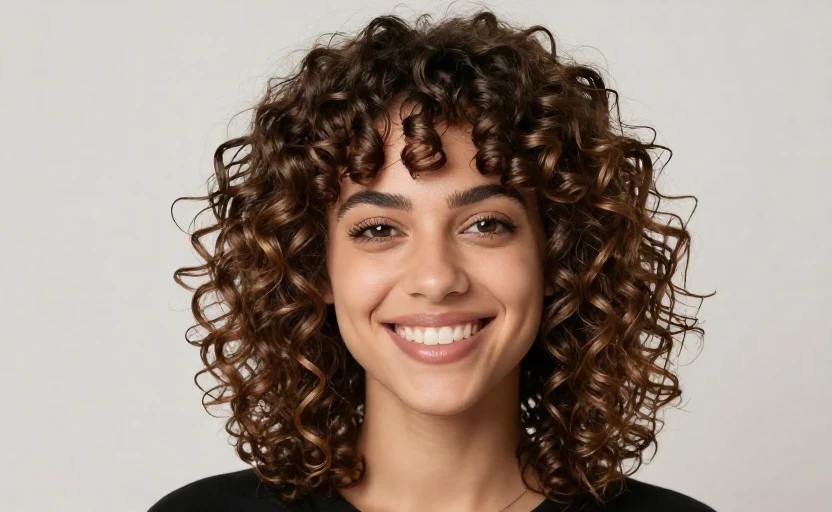
Your natural curl pattern is a unique signature, a beautiful expression of your hair’s inherent texture. Yet, for many, it can feel like a puzzle—sometimes defined, sometimes frizzy, often unpredictable. The good news is that enhancing your curls isn't about forcing them into submission with harsh products or heat. It's about understanding their language and working with their natural rhythm. By adopting a few mindful styling techniques, you can encourage your curls to spring to life with more definition, bounce, and health.
What is a curl pattern, and why does it matter?
Your curl pattern is determined by the shape of your hair follicle. A straighter follicle produces straight hair, while a curved or oval-shaped follicle creates waves, curls, or coils. This pattern dictates how your hair naturally wants to behave—its spring, its volume, and its tendency to hold moisture. Understanding your pattern isn't about fitting into a rigid category, but about recognizing your hair's starting point. When you style in harmony with this pattern, you reduce frustration and damage, allowing your hair's most authentic texture to shine through.
Start with the right foundation: cleansing and conditioning
Great styling begins in the shower. Curly hair thrives on moisture, so your wash routine sets the stage for everything that follows.
Consider co-washing (using a cleansing conditioner) or a sulfate-free shampoo to gently cleanse without stripping natural oils. Follow with a rich, hydrating conditioner, focusing on the mid-lengths and ends. For deeper hydration, a weekly treatment mask can be transformative. The goal is to leave your hair feeling supple and soft, not squeaky-clean and tight.
Detangle gently with your fingers or a wide-tooth comb while your hair is saturated with conditioner to minimize breakage.
The art of the application: styling on wet hair
This is perhaps the most crucial step for curl definition. Styling products should be applied to hair that is soaking wet, not just damp. Water is your primary styling agent—it helps form the curl clumps and allows product to distribute evenly without creating sticky or crunchy patches.
- Scrunch out excess water: After washing, gently scrunch your hair with a microfiber towel or an old cotton t-shirt to remove dripping water. Avoid rough terrycloth towels, which can roughen the cuticle and cause frizz.
- Apply product in sections: Divide your hair into two or four sections. This ensures you don't miss spots at the back. Apply your leave-in conditioner, curl cream, or gel by raking it through each section, then scrunching upwards toward your scalp to encourage curl formation.
- Embrace the "praying hands" method: For a smoother application that encourages clumping, smooth product over a section of hair by pressing it between your flat palms, as if in prayer.
Choosing and using products that work with your curls
Product choice is deeply personal, but a simple rule is to look for formulas designed to hydrate and hold without stiffness. A lightweight leave-in conditioner provides ongoing moisture. A curl cream can add definition and softness, while a gel or mousse offers stronger hold to combat frizz and lock in shape.
The key is not to overload. Start with a small amount—a quarter-sized dollop for shoulder-length hair—and add more only if needed. Too much product can weigh curls down or leave a residue.
Drying techniques that define, not destroy
How you dry your hair can make or break your curl pattern. High heat from blow dryers, even with a diffuser attachment, can cause puffiness and dryness if not used carefully.
Air-drying is the gentlest option. Simply scrunch your styled hair once more and let it dry naturally. For faster drying with more volume, use a diffuser. Set your dryer to low heat and low speed. Cup sections of hair into the diffuser bowl, hold it at the roots, and don't move it around too much. Let the curls dry in their natural formation inside the bowl.
Resist the urge to touch your curls while they dry. Constant touching breaks up the clumps and creates frizz.
Protecting your curls overnight and between washes
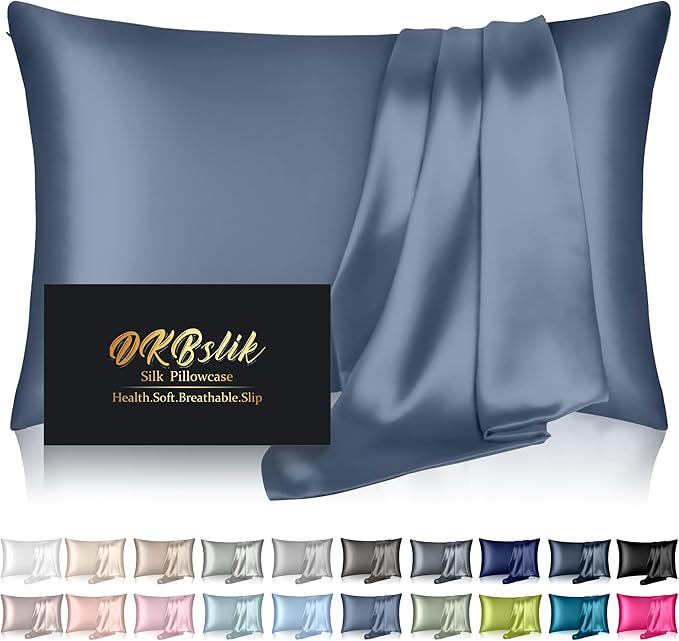
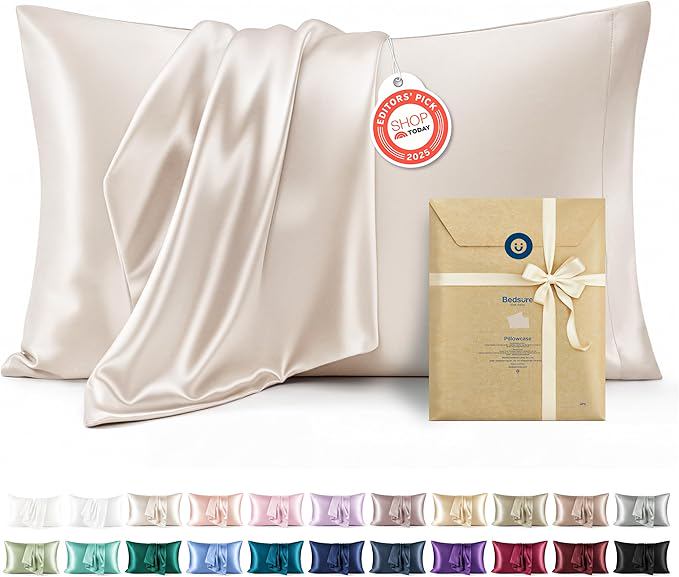
Sleeping on cotton pillowcases can create friction that roughens the cuticle and leads to morning frizz. Switch to a satin or silk pillowcase, or protect your style with a satin bonnet or scarf. You can also try a loose “pineapple” ponytail on the very top of your head to preserve volume and prevent flattening.
On non-wash days, revive your curls with a mix of water and a little leave-in conditioner in a spray bottle. Lightly mist your hair, then scrunch to reactivate the product and bring back definition.
What to avoid for healthier curls
Certain habits can work against your natural pattern. Over-washing strips essential moisture. Brushing dry hair will separate curl clumps into a frizzy halo. Using high-heat styling tools without a heat protectant can cause lasting damage to the hair's structure, making it harder for curls to form. Be gentle, be patient, and listen to what your hair is telling you it needs.
Enhancing your curl pattern is a journey of observation and adjustment. Some days will be better than others, and that's perfectly normal. The goal isn't perfection, but health and expression. By providing consistent hydration, gentle handling, and the right support, you give your natural texture the confidence to show up exactly as it is—beautifully, uniquely yours.