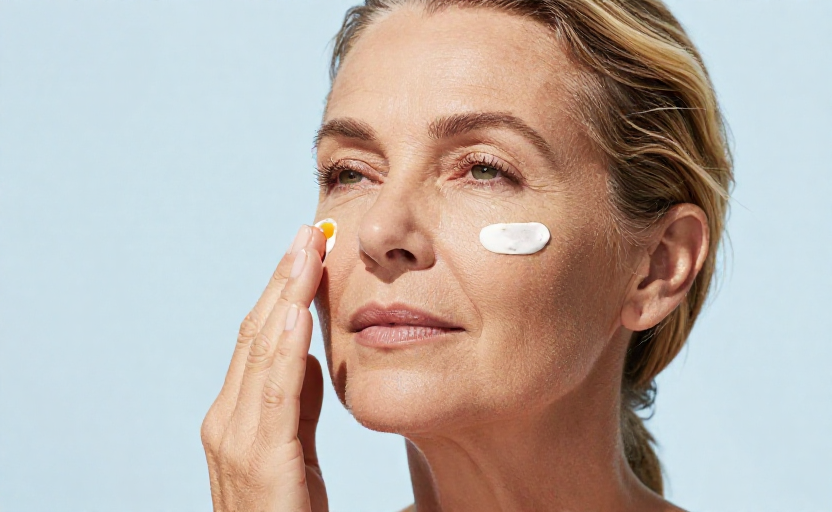
As our skin matures, its relationship with the sun becomes more complex. The very source of light and warmth that sustains us is also the primary driver of visible aging. While youthful skin has a robust ability to repair itself, aging skin requires a more thoughtful, strategic defense. This isn't about fear, but about understanding—and implementing—a sustainable, expert-backed approach to protection that honors your skin's changing needs.
The goal is to preserve your skin's health, resilience, and natural radiance for years to come. It's a shift from reactive care to proactive, intelligent shielding.
Why Sun Protection Becomes Non-Negotiable with Age
Intrinsic aging, the natural biological process, unfolds gradually. Extrinsic aging, driven largely by ultraviolet (UV) radiation from the sun, accelerates the process dramatically. This is called photoaging. As we age, our skin's natural defenses weaken. The production of collagen and elastin—the proteins that keep skin firm and springy—slows. The skin's outer barrier can become less efficient at retaining moisture, and its natural antioxidant defenses may diminish.
This makes mature skin more vulnerable to UV damage. Sun exposure doesn't just cause sunburns; it creates free radicals that break down collagen, leads to uneven pigment production (age spots), and can compromise the skin's DNA. The cumulative effect over decades is what we see as fine lines, deep wrinkles, leathery texture, and loss of elasticity.
Think of sun protection for aging skin not as an optional step, but as the foundational pillar of your entire skincare routine. Everything else—serums, moisturizers, treatments—builds upon this base.
Building Your Daily Defense: The Core Strategies
A powerful sun protection strategy for mature skin is multi-faceted. It goes beyond just a single product and becomes a consistent daily practice.
Choose Your Sunscreen Wisely
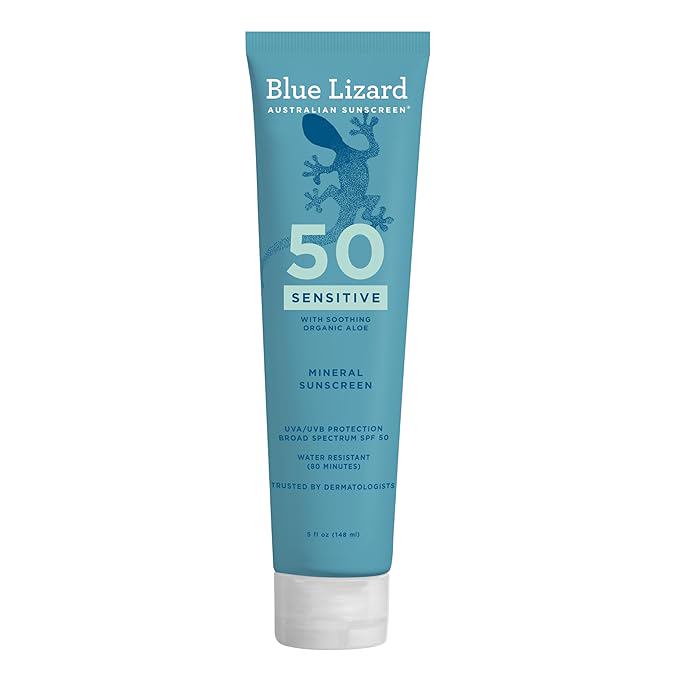
For aging skin, the formulation of your sunscreen matters immensely. Look for broad-spectrum protection, which shields against both UVA (aging) and UVB (burning) rays. Mineral sunscreens containing zinc oxide or titanium dioxide are often well-tolerated by mature, potentially more sensitive skin, as they sit on the surface and deflect rays. Chemical sunscreens absorb UV rays and can offer elegant, non-chalky finishes. Many experts recommend a Sun Protection Factor (SPF) of 30 or higher for daily use.
Consider your skin's other needs. Does it feel dry? Seek a moisturizing formula with hyaluronic acid or ceramides. Is it prone to redness? A tinted sunscreen with a hint of color correction can be ideal. The best sunscreen is the one you'll use generously and reapply consistently.
Embrace Antioxidant Power
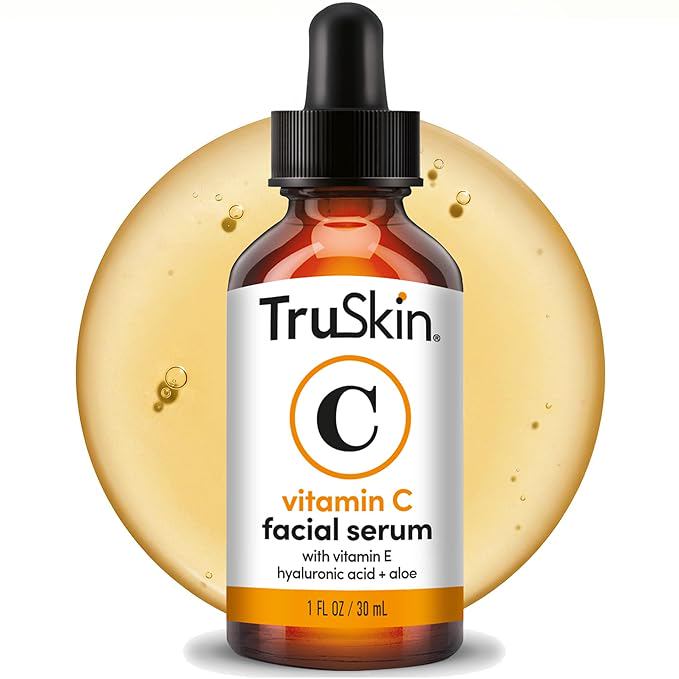
Sunscreen is a physical or chemical shield, but antioxidants are your internal reinforcements. They neutralize the free radicals generated by UV exposure before they can cause cellular damage. Incorporating a serum rich in antioxidants like vitamin C, vitamin E, ferulic acid, or niacinamide in the morning, under your sunscreen, creates a powerful one-two punch. Vitamin C, in particular, is celebrated for its ability to brighten existing discoloration while bolstering the skin's own defense mechanisms.
Reapplication is the Secret
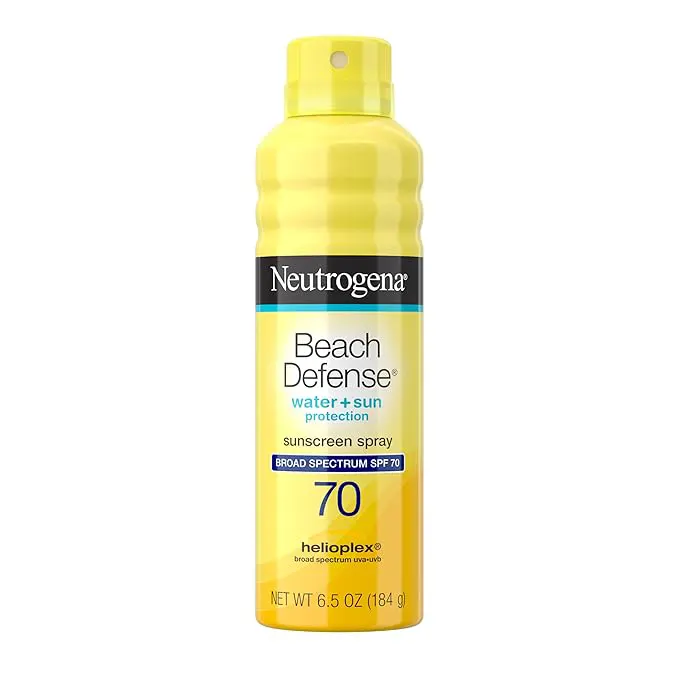
Applying sunscreen once in the morning is not enough for a full day of protection, especially if you are outdoors, near windows, or simply living your life. Sunscreen filters break down over time with exposure to light. A good rule is to reapply every two hours of direct sun exposure. For daily indoor life, a reapplication in the early afternoon is a smart habit. Keep a lightweight SPF mist or lotion at your desk or in your bag to make this step effortless.
Beyond the Bottle: Behavioral Shields
True protection extends beyond topical products to mindful daily behaviors.
- Seek Shade Strategically: Plan outdoor activities for earlier or later in the day when the sun's rays are less intense, typically before 10 a.m. and after 4 p.m. Use umbrellas, canopies, or wide-brimmed hats to create your own shade.
- Wear Protective Clothing: Long-sleeved shirts, pants, and skirts made from tightly woven fabrics offer excellent protection. Many clothing lines now offer items with a certified Ultraviolet Protection Factor (UPF).
- Don't Forget Your Eyes and Lips: The delicate skin around the eyes and on the lips is prone to photoaging and skin cancers. Wear UV-blocking sunglasses and use a lip balm with SPF 30 or higher.
- Be Window-Wise: UVA rays, which penetrate deep into the skin, can pass through window glass. If you spend long hours driving or sitting by a window, sun protection remains essential.
Integrating Protection with Your Skincare Routine
Sun protection should be the final step in your morning skincare routine, after cleansing, applying any treatment serums (like antioxidants or peptides), and moisturizing. At night, focus on repair. This is the time to use ingredients like retinoids (retinol, prescription retinoids) or peptides that encourage cell turnover and collagen production. Since these ingredients can increase sun sensitivity, using them at night and protecting diligently during the day is the perfect synergy.
Protecting aging skin from the sun is an act of care that pays dividends in long-term health and comfort. It's a commitment that evolves with you, blending effective products with simple, smart habits. By making these expert-backed strategies a seamless part of your day, you empower your skin to face the years with strength and grace.