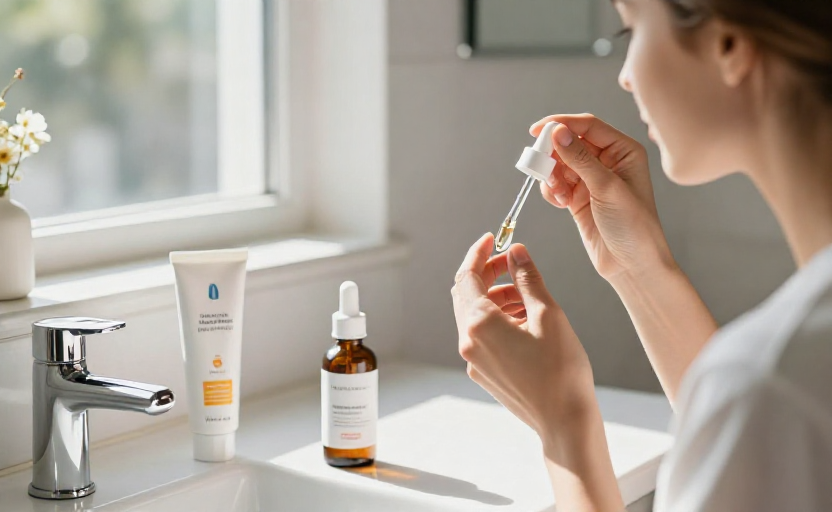
Hyperpigmentation—whether from sun exposure, hormonal shifts, or post-acne marks—can feel stubborn and frustrating. Many people reach for harsh treatments or invasive procedures too quickly, but safe, effective fading is often a matter of consistency and the right approach. We spoke with skincare experts to break down the strategies that actually work, without risking further irritation.
The key is to think of hyperpigmentation as a long-term concern. Patience and protection are non-negotiable. Below are the science-backed methods that dermatologists recommend for lightening dark spots, evening out skin tone, and preventing new discoloration from forming.
Why Sunscreen Is Non-Negotiable
If you do only one thing to fade hyperpigmentation, wear sunscreen every single day. UV rays stimulate melanin production, which darkens existing spots and creates new ones. Without daily broad-spectrum protection, any other treatment you try will be working against you.
Choose an SPF of at least 30, and reapply it if you are outside for more than two hours. Mineral sunscreens containing zinc oxide or titanium dioxide are often gentler for hyperpigmentation-prone skin as they sit on the surface and reflect light. Chemical sunscreens can also be effective, but some people find them irritating. Find a formula you will actually wear daily, and make it a habit.
Ingredients That Actually Lighten Dark Spots
Many topical ingredients have been studied for their ability to inhibit melanin production and accelerate cell turnover. Here are the ones with the most evidence behind them.
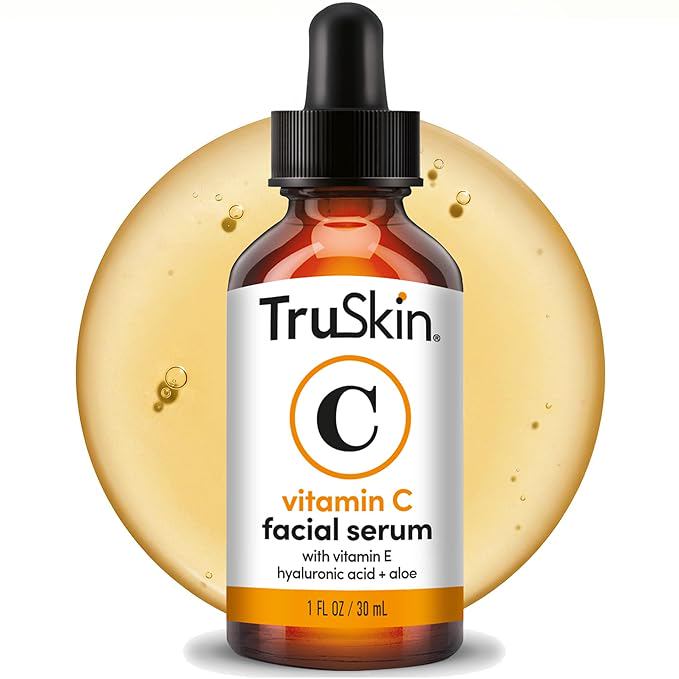
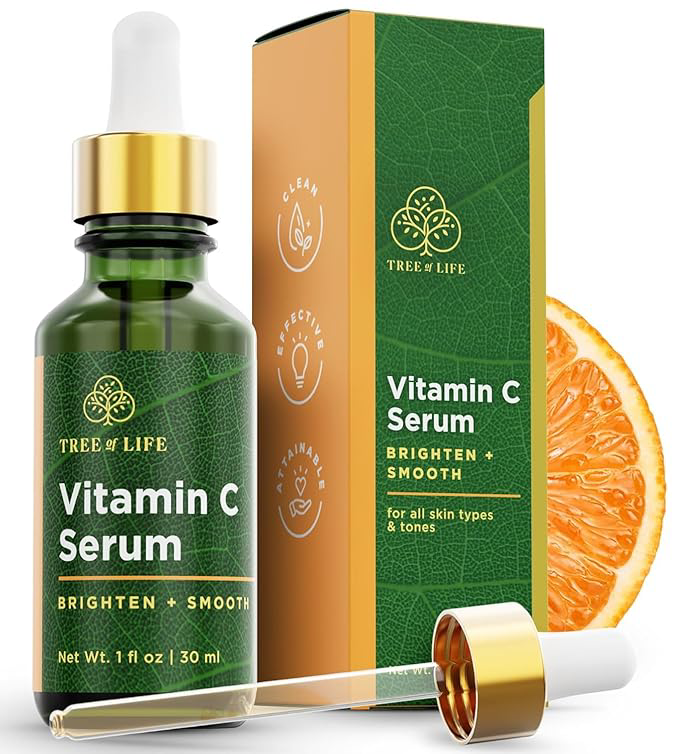
- Vitamin C (L-ascorbic acid): A potent antioxidant that brightens skin and protects against future damage. It works best in the morning, under sunscreen.
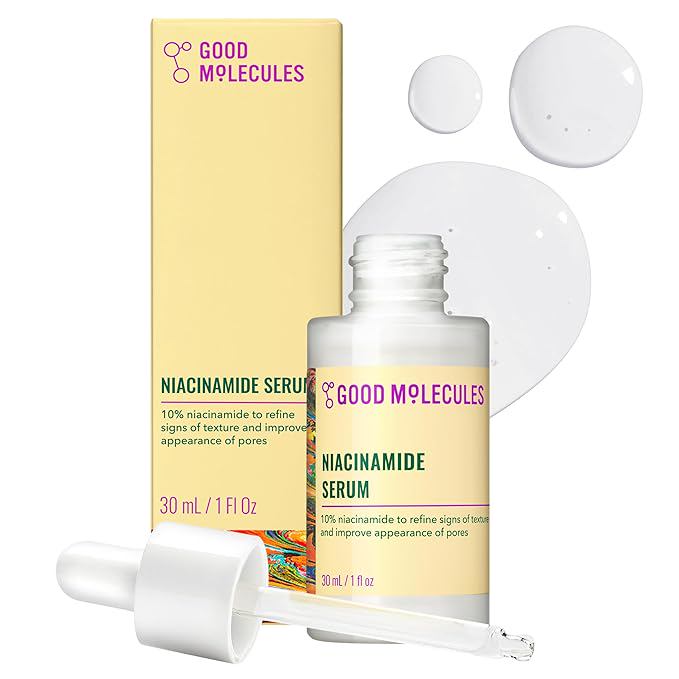
- Niacinamide (vitamin B3): Helps reduce melanin transfer to skin cells, which fades spots over time. It is gentle enough for most skin types and works well combined with other actives.
- Kojic acid: Derived from mushrooms, this ingredient blocks tyrosinase, an enzyme needed for melanin production. It is often found in serums and creams.
- Azelaic acid: Particularly helpful for post-inflammatory hyperpigmentation from acne. It reduces inflammation while gently exfoliating and lightening spots.
- Retinoids (retinol, tretinoin): Speed up skin cell turnover, which helps dark spots fade faster. Retinoids can be drying, so start with a low concentration a couple of nights per week and always use sunscreen the next day.
Introduce one new active at a time. When you combine too many strong ingredients, you risk stripping your skin barrier, which only worsens discoloration.
Tip from the dermatologist: Apply vitamin C serum in the morning and a retinoid at night. Niacinamide can go in either routine, often layered under moisturizer.
Professional Treatments for Stubborn Spots
If topical products aren't delivering visible results after several months, in-office procedures can help. These are done by a board-certified dermatologist or licensed practitioner and target deeper pigmentation.
Chemical Peels
A medium-depth peel using glycolic acid, lactic acid, or TCA can shed the outermost layers of skin, revealing fresher, more even-toned skin underneath. Gentle peels may require multiple sessions. Deeper peels have longer downtime but more dramatic results. Always ensure the provider assesses your skin type and depth of pigmentation first.
Laser Therapy and Intense Pulsed Light (IPL)
Laser treatments such as Fraxel or Q-switched lasers break up melanin deposits in the skin. IPL is not a laser but a broad-spectrum light that targets pigment near the surface. Both work well for sun spots and some melasma, though melasma can be reactive and worsen with heat. Your dermatologist will advise whether heat-based treatments are safe for you.
Microdermabrasion
This less invasive option uses a device to exfoliate the outer layer of skin. It is mild and works best for very superficial discoloration. Many people combine it with topical serums for a gentle boost.
Heads-up: Professional treatments are medical decisions. Never undergo a peel or laser without a thorough consultation. The wrong setting can create more pigment instead of removing it.
Avoiding Common Pitfalls
Many people make hyperpigmentation worse when trying to treat it. Here is what to watch out for.
- Picking at skin: Squeezing pimples or scratching scabs leads to post-inflammatory pigmentation that takes months to heal.
- Skipping moisturizer: A compromised skin barrier cannot repair itself effectively. Hydrated skin heals faster and responds better to active ingredients.
- Expecting overnight results: Pigment turnover takes at least four to eight weeks. Be consistent and patient.
- Ignoring the neck and chest: Dark spots don't stop at your jawline. Extend your routine and sunscreen down to your décolletage.
How to Build a Simple Daily Routine
A gentle, consistent routine matters more than a complicated one. Here is a sample structure you can customize.
Morning: gentle cleanser → vitamin C serum → moisturizer → sunscreen (SPF 30+).
Evening: gentle cleanser → treatment (niacinamide, azelaic acid, or a retinoid) → moisturizer.
If you use a retinoid, apply it to clean, dry skin, then wait 15 to 20 minutes before applying moisturizer. This reduces irritation.
For very dark spots, some people spot-treat with a dedicated brightening formula, but do not layer multiple strong ingredients on the same area at once.
Fading hyperpigmentation safely is absolutely doable. It requires consistent sun protection, the right ingredients used correctly, and patience. If you have been struggling for months or your spots change shape, color, or size, consult a board-certified dermatologist. There are many safe, effective ways to even out your skin tone—you just need the strategy that fits your skin.