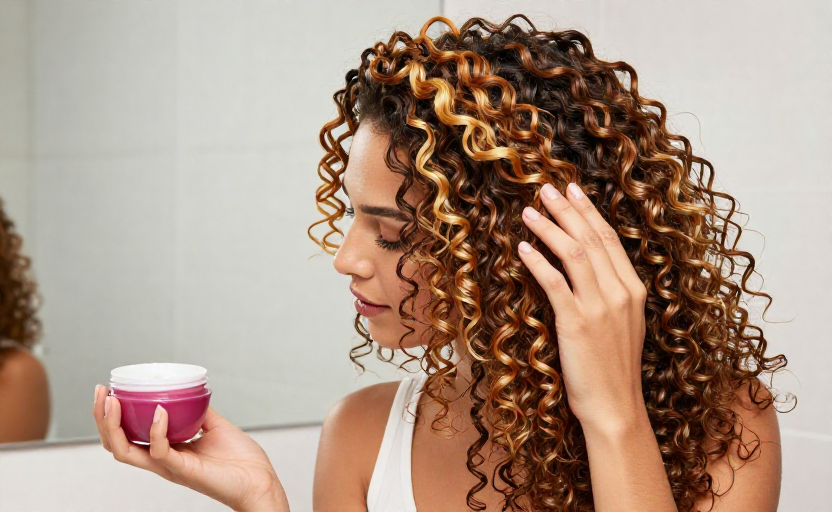
Color-treated curly hair walks a fine line between gorgeous pigment and structural stress. The same chemical processes that lift the cuticle to deposit color also strip natural moisture and weaken the protein bonds that give curls their bounce. Without targeted care, even the most brilliant shade can turn dull, brittle, and prone to breakage. The good news? A thoughtful routine—grounded in gentle cleansing, deep hydration, and protective habits—can restore both strength and shine.
Below, we break down expert-backed steps to help repair color-treated curls and keep them looking vibrant, healthy, and defined.
Why color-treated curls need a different approach
Curly hair is already more fragile than straight hair because of its natural twists and turns, which create weak points along the strand. When you add color processing, you're essentially opening the cuticle further. This makes curls more porous, meaning they absorb water quickly but lose it just as fast. Without consistent moisture and protein rebalancing, the hair becomes dry, frizzy, and limp.
The goal of a repair routine is not to reverse chemical damage—that's impossible—but to reinforce the hair's structure with ingredients that fill gaps in the cuticle, restore elasticity, and lock in hydration.
Start with a sulfate-free, low-pH cleanser
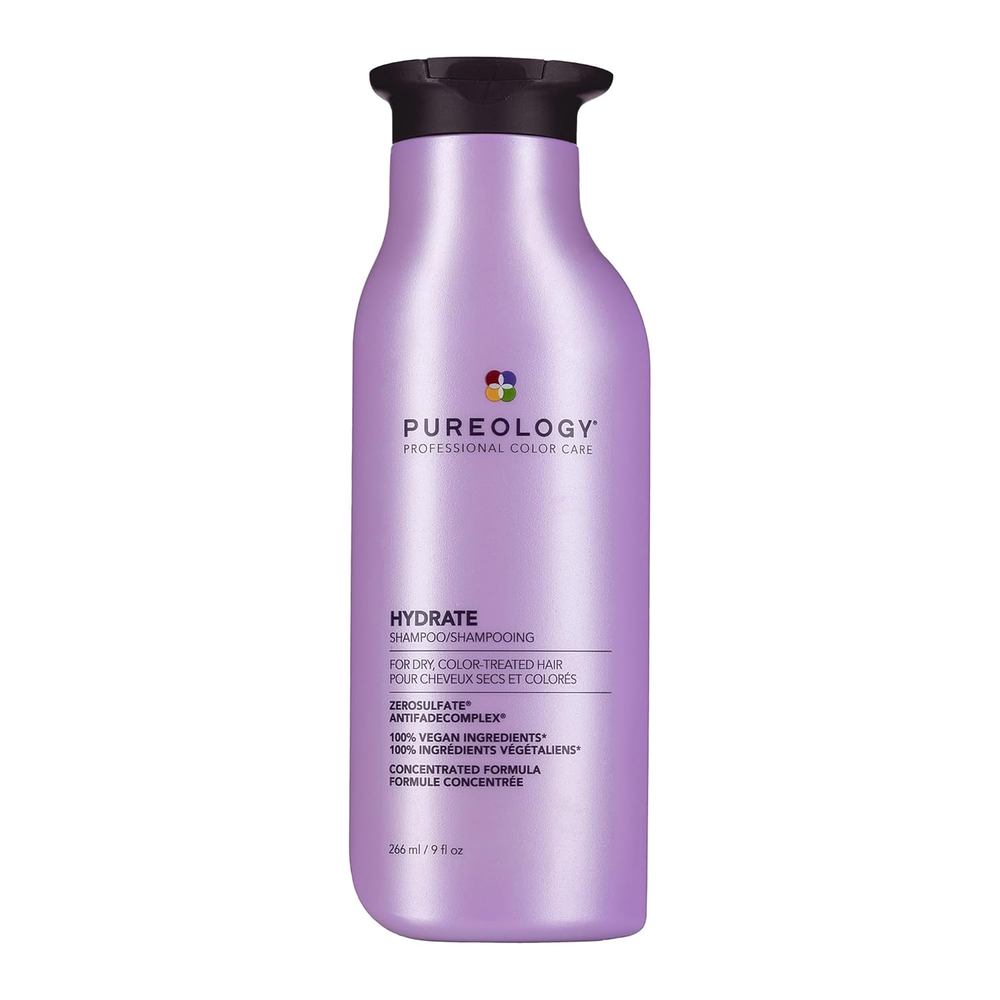
Shampoo is often the first misstep in a color-care routine. Sulfates create a rich lather by stripping away oil and pigment alike. For colored curls, this can fade the color and dry out the hair in one wash. Switch to a sulfate-free shampoo formulated for color-treated hair. Look for a pH between 4.5 and 5.5—this range keeps the cuticle closed, which helps color last longer and reduces frizz.
If your curls feel extra dry, consider co-washing (cleansing with conditioner only) once a week and using a gentle shampoo only when your scalp needs a deeper refresh.
Hydrate with a deep conditioner or hair mask weekly
Color-treated curly hair craves moisture. But standard conditioners often sit on the surface. A deep conditioner or hair mask penetrates the cuticle and delivers humectants, emollients, and sometimes protein. Most experts recommend using one once a week, or more often if your hair feels particularly straw-like. Ingredients to look for include shea butter, aloe vera, glycerin, and oils like jojoba or avocado. These help seal the cuticle and reduce water loss.
Tip: Apply a hair mask to damp, freshly washed hair, then cover with a shower cap. The heat from your scalp helps ingredients absorb more deeply. Leave on for 20 to 30 minutes before rinsing with cool water.
Rebalance protein and moisture gently
Over-processing can break down the hair's protein structure, leaving it mushy or limp when wet. A light protein treatment—such as a mask containing hydrolyzed keratin or wheat protein—can help rebuild bonds. But be careful: too much protein can make hair stiff and brittle. Curly hair needs a balance. If your curls spring back nicely, they likely have enough protein. If they feel weak or stretch too far before snapping, a protein boost may help.
A simple rule: follow a protein treatment with a moisturizing mask to keep the ratio even.
Use leave-in products that seal rather than just coat
After washing, apply a leave-in conditioner formulated for curly hair. This locks in moisture from your wash and preps the strands for styling. Follow with a curl cream or a lightweight gel to define your pattern and protect against humidity. But pay attention to ingredients—silicones can build up on damaged cuticles and make curls feel heavy. Instead, choose products with glycerin or aloe as the first few ingredients.
If you air-dry, scrunch gently with a microfiber towel or an old cotton T-shirt. Regular towels create friction that lifts the cuticle and invites frizz.
Adopt heat-free styling and protective habits
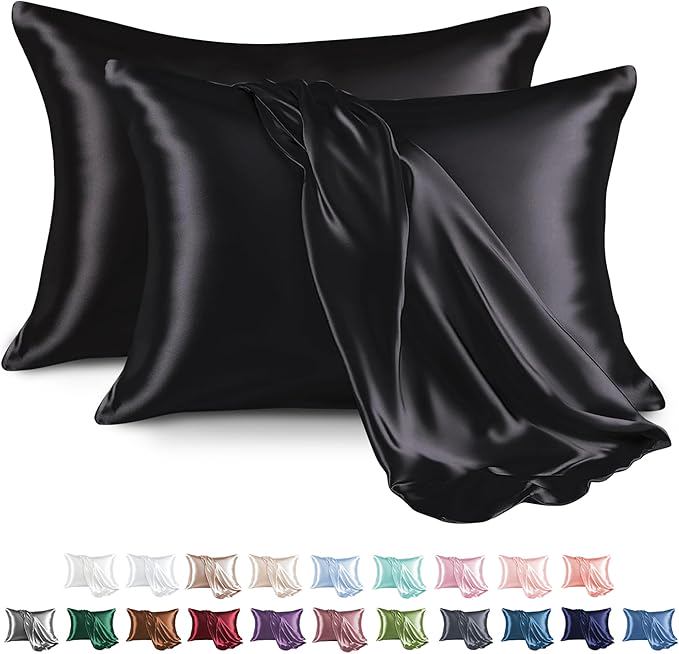
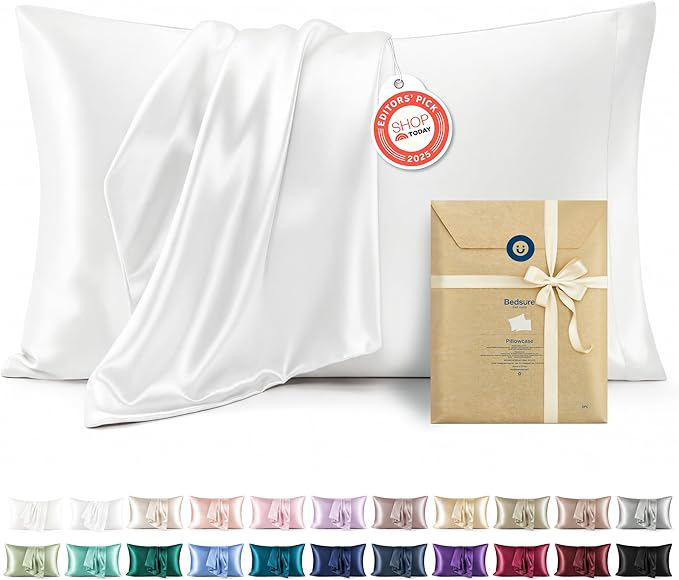
Heat styling is a major threat to color-treated curls. If you must blow-dry, use a diffuser on low heat and keep the dryer moving. Even better, experiment with air-drying or overnight heatless sets (like satin rollers or twist-outs). Satin or silk pillowcases also reduce friction while you sleep, helping preserve moisture and definition.
Wearing your hair in a loose pineapple or a satin bonnet at night minimizes tangles and reduces the need for frequent detangling. When you do detangle, do it in the shower with conditioner still in your hair, using a wide-tooth comb starting at the ends.
Know what to avoid for long-term health
Certain ingredients and habits accelerate color fading and damage. Avoid clarifying shampoos with harsh detergents, swimming in chlorinated water without a protective cap, and excessive sun exposure without a UV protectant spray. Also, try to space out coloring sessions—ideally 8 to 12 weeks between applications—to give your curls time to recover.
Finally, get regular trims. Even if you're growing your hair out, removing split ends prevents breakage from traveling up the strand and undoing your progress.
Repairing color-treated curly hair isn't about a single miracle product—it's a consistent, gentle routine that respects your hair's unique needs. Focus on low-pH cleansing, weekly deep hydration, thoughtful protein-moisture balance, and protective styling. Your curls will reward you with restored bounce, shine, and color that lasts.