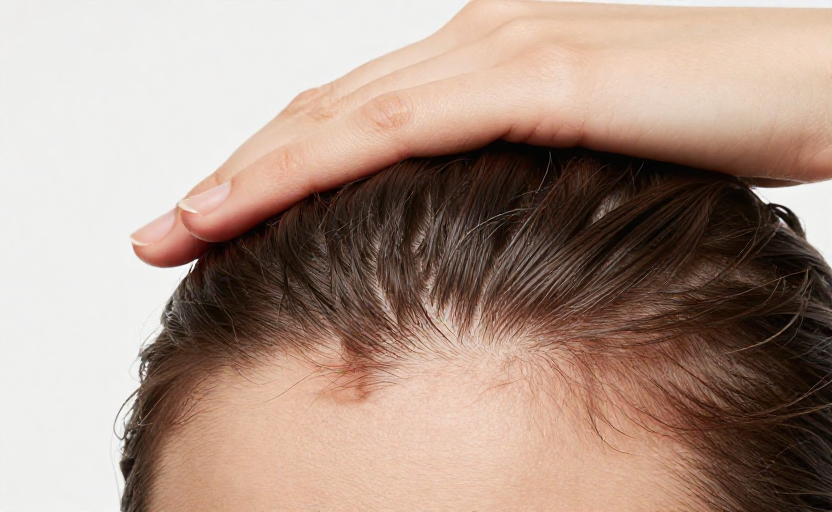
An oily scalp can feel like a constant battle. You wash your hair, and within hours, it’s flat, stringy, and looks unwashed again. It’s frustrating, but it’s also a sign that your scalp’s natural balance is off. The good news is that managing excess oil isn’t about stripping your scalp bare; it’s about making smart, gentle adjustments to your care routine to restore harmony.
Experts in dermatology and trichology agree that the goal is to care for your scalp as thoughtfully as you would your skin. Over-washing, harsh products, and improper techniques can often make oiliness worse. By understanding what your scalp needs and shifting a few key habits, you can achieve a cleaner, healthier foundation for your hair.
Why does my scalp produce so much oil?
Sebum, the natural oil produced by sebaceous glands in your scalp, is essential. It moisturizes your scalp, protects your hair shaft, and has antimicrobial properties. The issue arises when these glands go into overdrive, producing more sebum than necessary.
This overproduction can be influenced by several factors:
- Genetics: Just like skin type, your scalp’s oiliness is largely predetermined.
- Hormonal fluctuations: Androgens (hormones) can stimulate sebum production, which is why oiliness often peaks during puberty, menstruation, or times of stress.
- Over-washing or harsh products: Washing too frequently or using sulfates and strong detergents can strip the scalp. In response, it may panic and produce even more oil to compensate.
- Product buildup: Heavy conditioners, styling creams, and dry shampoos can clog follicles and disrupt the scalp’s environment.
- Diet and lifestyle: While the link is complex, a diet high in refined sugars and unhealthy fats may influence inflammation and oil production for some people.
The scalp is an extension of the skin on your face. You wouldn’t scrub your face with a harsh soap three times a day to combat oiliness—the same principle applies to your scalp.
Key adjustments for a balanced scalp routine
Managing oil is a marathon, not a sprint. These expert-backed shifts focus on consistency and gentleness.
Re-evaluate your washing frequency and technique
If you’re washing daily with a strong shampoo, try scaling back. Aim to wash every other day, or even every third day if you can. This allows your scalp’s natural regulation mechanisms to recalibrate. On non-wash days, a simple rinse with lukewarm water can help.
When you do shampoo, focus the lather on your scalp, not the lengths of your hair. Massage gently with your fingertips (not nails) for about 60 seconds to break up oil and buildup without causing irritation. Rinse thoroughly with cool or lukewarm water, as hot water can stimulate oil glands.
Choose your products wisely
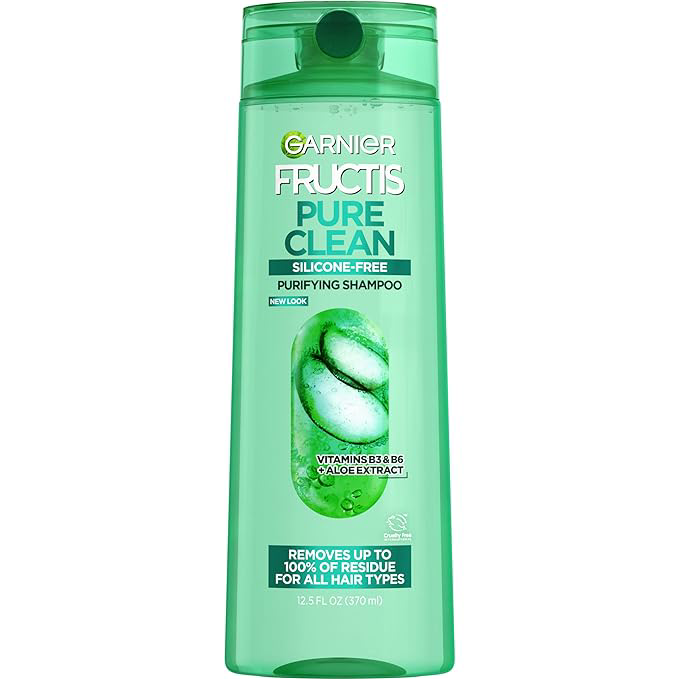
Look for shampoos labeled “balancing,” “clarifying,” or “for oily hair.” Key ingredients to seek out include:
- Salicylic acid: A beta-hydroxy acid that exfoliates the scalp and helps clear clogged follicles.
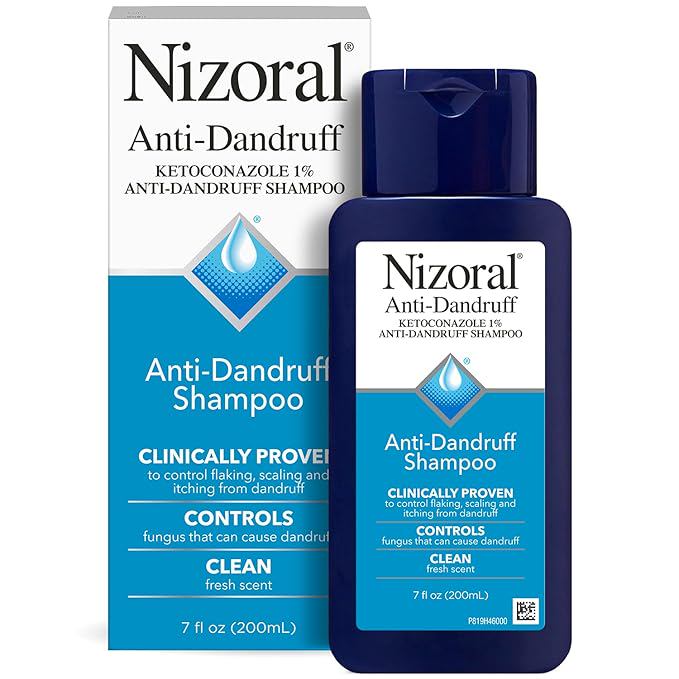
- Zinc pyrithione or selenium sulfide: These can help regulate oil and are often found in dandruff shampoos, which can be beneficial as oil and flaking sometimes go hand-in-hand.
- Tea tree oil: Known for its gentle clarifying and antimicrobial properties.
Avoid heavy, oil-based conditioners on your scalp. Apply conditioner only from the mid-lengths to the ends of your hair. For a lightweight scalp treatment, consider a rinse with diluted apple cider vinegar once a week to help remove residue and restore pH.
Be strategic with dry shampoo and styling
Dry shampoo is a useful tool, but not a cure. Use it to absorb excess oil at the roots and extend time between washes, but don’t let it build up for days. Apply it to clean, dry roots for best absorption, and make sure to wash it out thoroughly.
Be mindful of heavy pomades, waxes, and creams applied directly to the roots. These can contribute to clogging. Opt for lighter, water-based styling products when possible.
Lifestyle habits that support scalp health
What happens outside your shower matters, too. Chronic stress elevates cortisol levels, which can trigger increased sebum production. Incorporating stress-management practices like walking, meditation, or deep breathing can have a downstream effect on your scalp.
While direct evidence is limited, a balanced diet rich in antioxidants (from fruits and vegetables), omega-3 fatty acids (from fish, flaxseeds), and zinc (from nuts, seeds) supports overall skin health, which includes your scalp. Staying well-hydrated is also fundamental.
Finally, be patient. It can take 4 to 6 weeks of consistent routine adjustments for your scalp to find a new equilibrium. If excessive oiliness is accompanied by significant scaling, redness, itching, or hair loss, it’s wise to consult a dermatologist or trichologist to rule out conditions like seborrheic dermatitis or hormonal imbalances.