
When we think about skin elasticity, it’s easy to focus on the creams and serums in our bathroom cabinets. But the foundation of firm, resilient skin is built long before you apply your evening moisturizer. It’s woven into the fabric of your daily life—what you eat, how you sleep, the way you move, and even how you breathe. These lifestyle factors don’t just support your skin; they direct the cellular processes that create collagen and elastin, the very proteins that give skin its bounce and snap.
Understanding this connection empowers you to care for your skin from the inside out. It’s not about perfection, but about making consistent, supportive choices that add up over time. Let’s explore the expert-backed habits that have a direct, measurable impact on your skin’s elasticity.
How Does Nutrition Feed Skin Elasticity?
Your skin is a reflection of what’s on your plate. The building blocks for collagen and elastin come directly from the nutrients you consume. A diet rich in specific vitamins, minerals, and antioxidants provides the raw materials and protective compounds your skin needs to maintain its structure.
Protein is non-negotiable. Collagen and elastin are proteins themselves, so adequate intake of high-quality protein from sources like fish, poultry, legumes, and eggs is essential. Think of it as supplying the construction crew with the bricks they need.
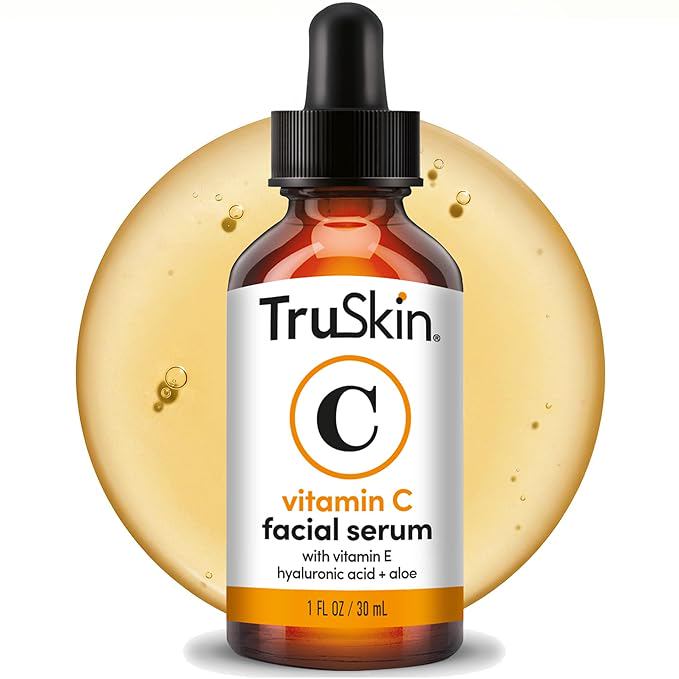
Vitamin C acts as the foreman. This potent antioxidant is a cofactor required for collagen synthesis. Without sufficient vitamin C, the collagen production line stalls. Citrus fruits, bell peppers, broccoli, and strawberries are excellent sources.
Other key players include zinc (found in nuts, seeds, and shellfish), which aids in tissue repair, and copper (present in lentils, dark leafy greens, and nuts), which helps cross-link collagen and elastin fibers, strengthening the final structure.
A colorful plate isn't just visually appealing—it's a signal that you're feeding your skin a diverse array of protective antioxidants.
The Invisible Enemies: Sun Exposure and Pollution
While nutrition builds skin up, environmental aggressors break it down. The single most significant external factor impacting elasticity is ultraviolet radiation from the sun.
UV rays, particularly UVA, penetrate deep into the dermis. They damage fibroblasts, the cells responsible for producing collagen and elastin. This process, known as photoaging, doesn't just tan your skin; it degrades its supportive matrix, leading to a breakdown in elasticity over time. Daily broad-spectrum sunscreen is not an optional step for preserving firmness—it is the cornerstone.
Air pollution presents a more modern challenge. Tiny particulate matter can generate free radicals on the skin's surface, triggering inflammation and breaking down collagen. This makes consistent cleansing in the evening crucial to remove these particles, and reinforces the need for a diet and skincare routine rich in antioxidants to neutralize the damage.
Sleep: Your Skin’s Repair Shift
Call it beauty sleep for a reason. During deep, restorative sleep, your body enters repair mode. Growth hormone secretion increases, which stimulates collagen production and helps repair daily damage. Blood flow to the skin also enhances, delivering nutrients and oxygen while flushing out toxins.
Chronic poor sleep, on the other hand, elevates cortisol levels. This stress hormone can break down collagen and impair skin's ability to repair itself. Prioritizing seven to nine hours of quality sleep is one of the most direct investments you can make in your skin’s long-term resilience.
The Double-Edged Sword of Stress
Stress isn't just a feeling; it's a physiological cascade with visible consequences for your skin. When you're chronically stressed, your body produces excess cortisol. Over time, elevated cortisol can:
- Break down collagen and elastin.
- Impair the skin's barrier function, leading to dehydration and dullness.
- Increase inflammation, which can exacerbate conditions that compromise skin integrity.
Managing stress is therefore a critical component of skin care. Practices like mindful breathing, meditation, regular walks in nature, or engaging in hobbies aren't just good for your mind—they help maintain balanced cortisol levels, creating a calmer internal environment where skin can thrive.
Movement and Hydration: The Circulation Connection
Regular, moderate exercise boosts circulation, ensuring that oxygen and nutrients are efficiently delivered to skin cells while waste products are carried away. This improved nutrient flow supports the health of fibroblasts and the entire collagen-producing machinery. The key is consistency and avoiding excessive, intense exercise without recovery, which can increase oxidative stress.
Hydration works hand-in-hand with circulation. Well-hydrated skin appears plumper, which can minimize the appearance of fine lines. More importantly, water is essential for every metabolic process, including those that synthesize new proteins. While drinking water won't directly "moisturize" your skin from the inside, systemic dehydration will leave it looking lackluster and less resilient.
What About Smoking and Alcohol?
Smoking is profoundly damaging to elasticity. The chemicals in tobacco smoke constrict blood vessels, starving skin of oxygen and nutrients. They also generate massive amounts of free radicals and directly degrade collagen and elastin. The repetitive pursing of lips and squinting of eyes against smoke further contributes to wrinkle formation.
Alcohol, in excess, is dehydrating and can deplete the body of vital nutrients like vitamin A and C, which are crucial for skin repair. It can also trigger inflammation. Moderation is the guiding principle here.
Bringing It All Together
The pursuit of elastic skin is a holistic endeavor. It’s the sum of daily protections, nourishing choices, and restorative habits. You don’t need to overhaul your life overnight. Start by anchoring one or two pillars: perhaps committing to daily sunscreen and adding an extra serving of vegetables to your meals. From that stable foundation, you can build other supportive habits.
Your skin is a living, responsive organ. The lifestyle choices you make today send direct signals to its deepest layers, guiding the ongoing work of repair and renewal. By aligning your daily habits with your skin’s biological needs, you support its natural capacity for strength and bounce for years to come.