
Managing acne long-term often feels like a frustrating cycle of flare-ups and temporary fixes. While topical treatments have their place, a growing body of evidence and expert opinion points to the foundational role of daily habits and lifestyle choices. These adjustments don't promise overnight miracles, but they work to create an internal and external environment where your skin is less prone to inflammation and breakouts, supporting clearer skin for the long haul.
Think of it as building a stable, supportive foundation for your skin's health. It's about consistency over intensity, and understanding the subtle ways your daily routine influences your complexion.
How does diet really affect acne?
The connection between what you eat and the state of your skin is complex and highly individual. However, certain dietary patterns have been consistently linked to acne development in research. The primary mechanism isn't about "greasy foods causing greasy skin," but rather how food influences hormone levels and inflammation.
Foods with a high glycemic index—like white bread, sugary cereals, pastries, and soda—can cause rapid spikes in blood sugar. This triggers a cascade that increases insulin and other hormones, which may boost oil production and skin cell growth, clogging pores.
Focusing on a whole-food, low-glycemic diet rich in vegetables, lean proteins, and healthy fats can help moderate these hormonal fluctuations.
Some studies also suggest a potential link between dairy consumption, particularly skim milk, and acne severity for some individuals. The relationship isn't fully understood but may involve hormones and growth factors naturally present in milk. It's not a universal trigger, but if you struggle with persistent acne, it may be worth discussing with a dermatologist or experimenting with reducing dairy intake for a period to observe any changes.
What role does stress play in breakouts?
Stress is more than a feeling; it's a physiological event with direct consequences for your skin. When you're stressed, your body produces more cortisol and other androgens. These hormones can stimulate your oil glands to produce more sebum, which can mix with dead skin cells and clog pores.
Furthermore, stress promotes systemic inflammation, which can worsen existing acne lesions and slow the healing process. This creates a difficult cycle: acne causes emotional stress, and that stress, in turn, can exacerbate the acne.
Integrating consistent stress-management techniques is therefore a critical, though often overlooked, pillar of acne management. This isn't about eliminating stress entirely, which is impossible, but about building resilience.
- Prioritize sleep: Aim for 7-9 hours per night. Sleep is when your body repairs itself, including your skin.
- Move your body regularly: Consistent, moderate exercise is a proven way to lower stress hormones and reduce inflammation.
- Practice mindfulness: Even five minutes of daily deep breathing, meditation, or a gentle activity like walking can help regulate your nervous system's stress response.
Can my skincare routine make things worse?
Absolutely. An overly aggressive or inappropriate skincare routine is a common culprit behind persistent skin issues. The goal for acne-prone skin is gentle support, not harsh punishment.
Over-cleansing, using abrasive scrubs, or applying multiple harsh active ingredients at once can strip the skin's protective barrier. This leads to dryness, irritation, and ironically, can trigger your skin to produce even more oil to compensate. A compromised barrier is also more vulnerable to bacteria and inflammation.
Building a gentle, effective routine
Start with a simple, consistent routine centered on non-comedogenic (won't clog pores) and fragrance-free products.
- Cleanse gently: Use a mild, pH-balanced cleanser twice daily. Avoid hot water and harsh scrubbing.
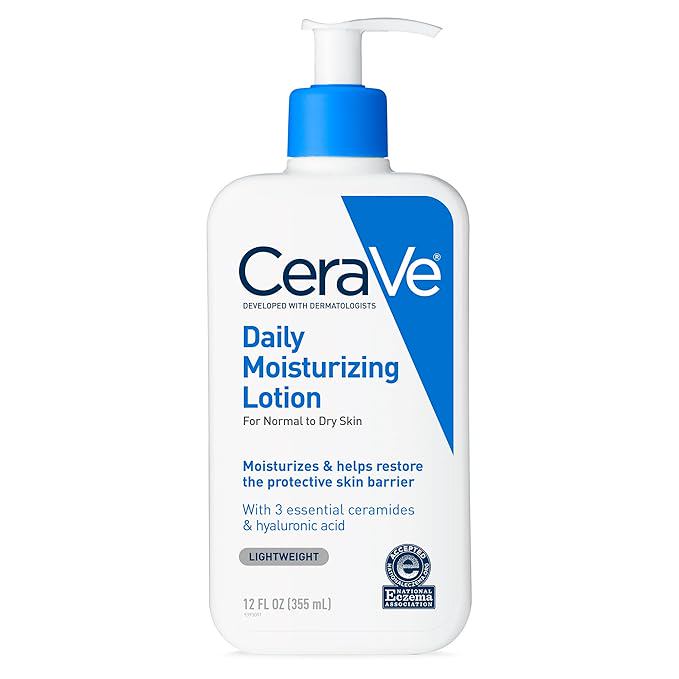
- Moisturize consistently: Even oily skin needs hydration. A lightweight, oil-free moisturizer helps maintain a healthy barrier and can actually signal to your skin that it doesn't need to overproduce oil.
- Use targeted treatments wisely: Ingredients like salicylic acid or benzoyl peroxide can be helpful, but introduce them slowly. Using them once a day or every other day is often more sustainable and less irritating than multiple daily applications.
- Never skip sunscreen: Sun exposure can darken acne marks and cause inflammation. Choose a non-comedogenic, mineral-based formula if your skin is sensitive.
What other lifestyle factors should I consider?
Your skin's health is influenced by a web of interconnected habits. Two of the most significant are hydration and what touches your face.
Staying well-hydrated by drinking water throughout the day supports every function in your body, including toxin removal and skin cell turnover. It helps maintain skin plumpness and may support a healthier barrier function.
Also, be mindful of friction and contact. This includes frequently touching your face, which transfers bacteria and oil, resting your phone against your cheek, and not washing pillowcases, hats, and helmet straps regularly. These simple points of contact can reintroduce dirt and bacteria to your skin, undermining your other efforts.
Long-term acne management is a journey of patient observation and consistent care. It involves partnering with a dermatologist for medical treatment when needed, while simultaneously cultivating daily habits that reduce triggers and support your skin's natural balance. By viewing your skin as part of your overall health, you can build a sustainable, effective approach that goes beyond the surface.