Noticing more hair in your brush or a wider part can be unsettling. While many factors influence hair health, from genetics to stress, the ingredients you put on your scalp can play a supportive role. Instead of a complete overhaul, sometimes the most effective strategy is a simple, smart swap—replacing one ingredient with another that better nourishes your scalp and follicles.
This approach focuses on gentle, evidence-informed alternatives that can help create a healthier environment for your hair to grow. Think of it as upgrading your hair care routine with ingredients that offer more targeted support for thinning hair.
Why Ingredient Swaps Can Make a Difference
Thinning hair often signals that your scalp or hair follicles need extra support. Harsh cleansers can strip natural oils, leading to dryness and irritation. Heavy conditioners can weigh fine hair down, making it look limp. The goal of a strategic swap is to introduce ingredients that are kinder to your scalp, richer in nutrients, or more effective at creating a clean, balanced foundation for growth.
The right swap can reduce inflammation, improve scalp circulation, and deliver key nutrients directly to where they're needed most.
Key Swaps to Consider
Here are some expert-recommended exchanges, moving from common ingredients to more supportive alternatives for thinning hair.
Swap Harsh Sulfate Shampoos for Gentler Cleansers
Sodium lauryl sulfate (SLS) is a powerful detergent that creates a rich lather but can be overly stripping for a sensitive or dry scalp. This can disrupt your scalp's natural moisture barrier, potentially leading to irritation.
Try instead: Look for shampoos with milder surfactants like coco-glucoside, decyl glucoside, or sodium cocoyl isethionate. These cleanse effectively without the same level of stripping, helping to maintain a calm, balanced scalp environment.
Swap Heavy Silicone Conditioners for Lightweight Hydrators
While silicones like dimethicone smooth the hair shaft, they can build up on the scalp and weigh down fine, thinning hair, making it look flat.
Try instead: Conditioners with humectants like glycerin or panthenol (provitamin B5). These attract moisture to the hair without heavy buildup. Light oils like argan or squalane can also provide shine and manageability without residue.
Swap Generic Scalp Treatments for Circulatory Boosters
Many scalp serums are designed for dandruff or dryness. For thinning hair, supporting blood flow to the follicles is a key goal.
Try instead: Look for treatments containing ingredients like peppermint oil. Research, including a study in Toxicological Research, suggests peppermint oil can promote hair growth in animal models by increasing blood flow to the follicles. Its menthol content creates a cooling sensation linked to this circulatory boost. Always dilute essential oils like peppermint in a carrier oil before scalp application.
Swap Protein-Heavy Masks for Balanced Nourishment
Protein treatments can strengthen hair, but overuse on already low-porosity or fine hair can make it brittle.
Try instead: A mask focused on both moisture and light protein. Ingredients like hydrolyzed keratin (a lighter protein) paired with aloe vera or hyaluronic acid offer strength without the risk of overload.
How to Integrate Swaps Safely
Patience is essential. Your scalp and hair need time to adjust to new products.
- Introduce one change at a time. Wait a few weeks to see how your hair and scalp respond before making another swap. This helps you identify what's truly working.
- Always patch test. Apply a small amount of any new product, especially those with active ingredients like essential oils, behind your ear or on your inner arm to check for irritation.
- Dilute potent actives. As mentioned, pure essential oils should be diluted in a carrier oil (like jojoba or coconut oil) at a low concentration (typically 1-2%) before scalp application to avoid irritation.
Beyond Topical Swaps: Supporting Hair from Within
What you put in your body is as important as what you put on it. Consider these dietary supports:
- Iron & Zinc: Deficiencies in these minerals are linked to hair loss. Sources include lentils, spinach, pumpkin seeds, and chickpeas.
- Omega-3 Fatty Acids: Found in fatty fish, walnuts, and flaxseeds, they help support scalp health and reduce inflammation.
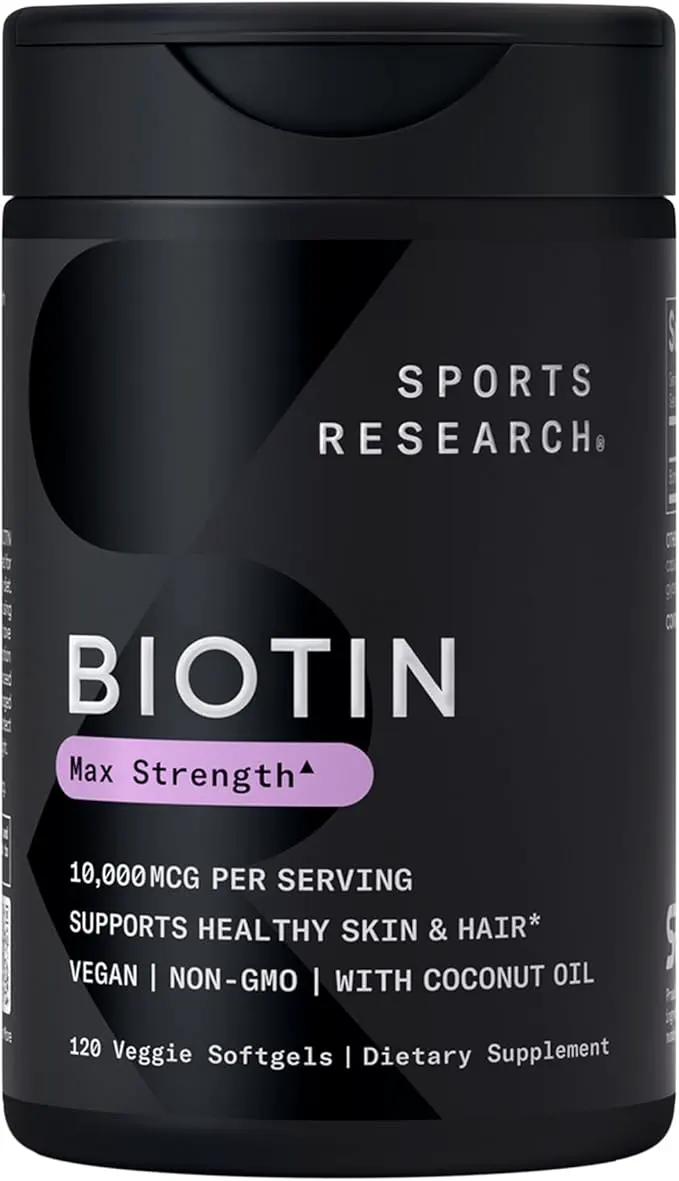
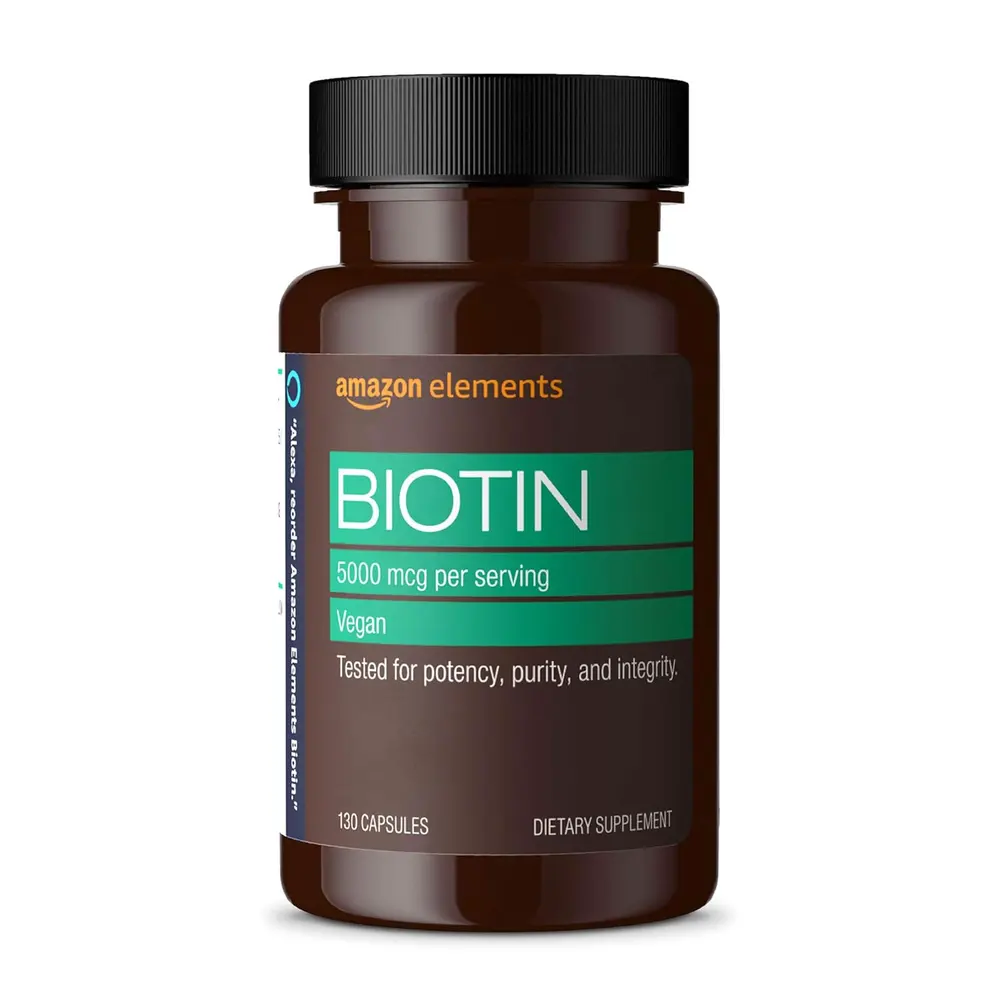
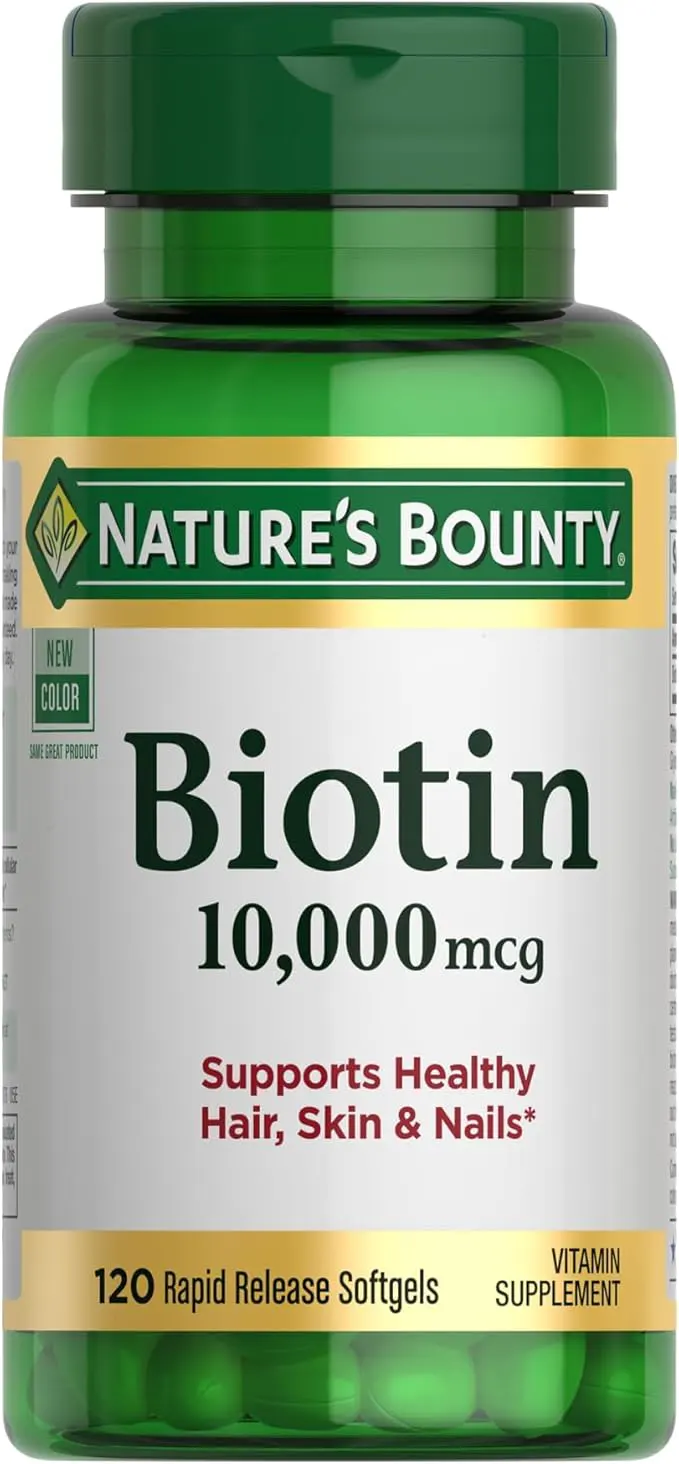
- B Vitamins: Biotin (B7) and others are crucial for keratin production. Eggs, almonds, and avocados are good sources.
If you suspect a significant nutrient deficiency is contributing to hair thinning, a conversation with a healthcare provider is the best first step.
Strengthening thinning hair is often a marathon, not a sprint. These ingredient swaps aren't magic cures, but they are practical, research-informed ways to refine your routine. By choosing gentler cleansers, lighter hydrators, and ingredients that support scalp circulation, you're creating optimal conditions for your hair's health. Listen to your scalp, be consistent, and give these changes time to show their effect.