A dry, flaky scalp can feel like a constant, distracting annoyance. While we often focus on the hair itself, true health starts at the roots. The good news is that you don't always need a complex regimen or expensive products to find relief. Sometimes, the most effective approach is a simple, thoughtful swap in your existing routine, replacing potentially irritating ingredients with gentle, nourishing alternatives.
Building a healthier, more moisturized scalp is often about understanding what your skin barrier needs and choosing ingredients that support it without stripping or clogging. Let's explore some expert-recommended swaps that can help you move away from common irritants and toward a balanced, comfortable scalp.
Swap Harsh Sulfates for Gentle Cleansers
Many traditional shampoos rely on strong sulfates like sodium lauryl sulfate (SLS) to create a rich lather. While effective at cutting through oil, these surfactants can be overly aggressive, stripping the scalp of its natural, protective oils. This can lead to a cycle of dryness, where your scalp overproduces oil to compensate, or becomes tight, itchy, and flaky.
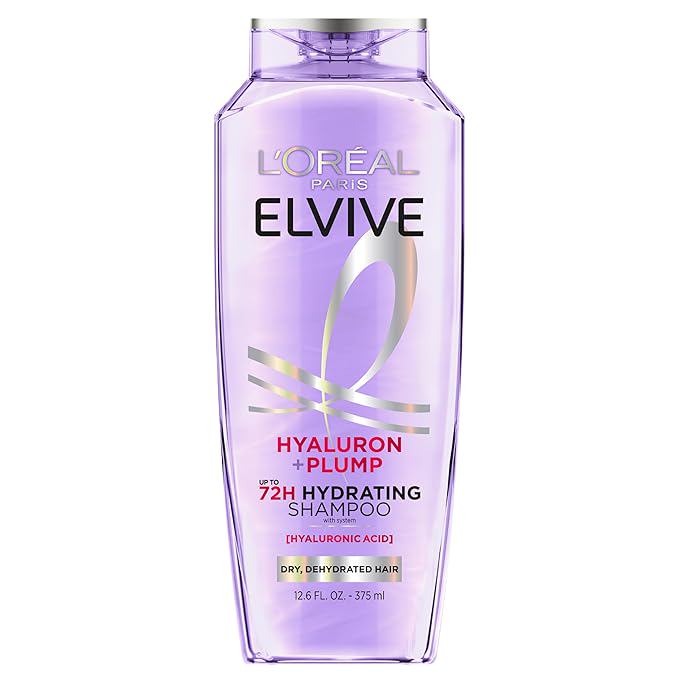
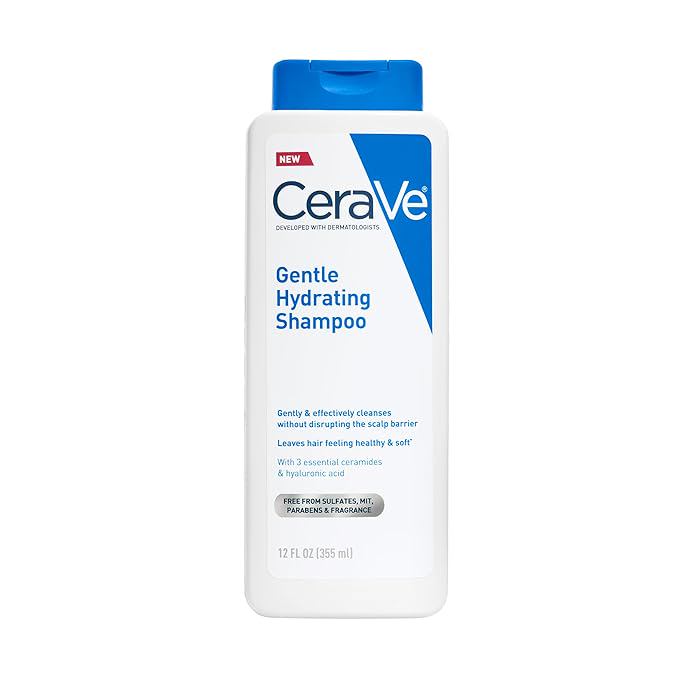
Consider switching to formulas that use milder cleansing agents. Look for shampoos with ingredients like coco-glucoside, decyl glucoside, or sodium cocoyl isethionate. These plant-derived cleansers remove dirt and buildup without disrupting the scalp's delicate moisture barrier. The lather might be less voluminous, but the cleansing is just as effective—and far kinder to your skin.
A gentle cleanse should leave your scalp feeling refreshed, not squeaky-clean and stripped.
Choose Hydrating Oils Over Heavy Pomades
If you use heavy waxes, pomades, or silicone-rich serums to style your hair, you might be inadvertently creating buildup on your scalp. These products can coat the hair follicle, potentially leading to clogged pores and impeding healthy hair growth.
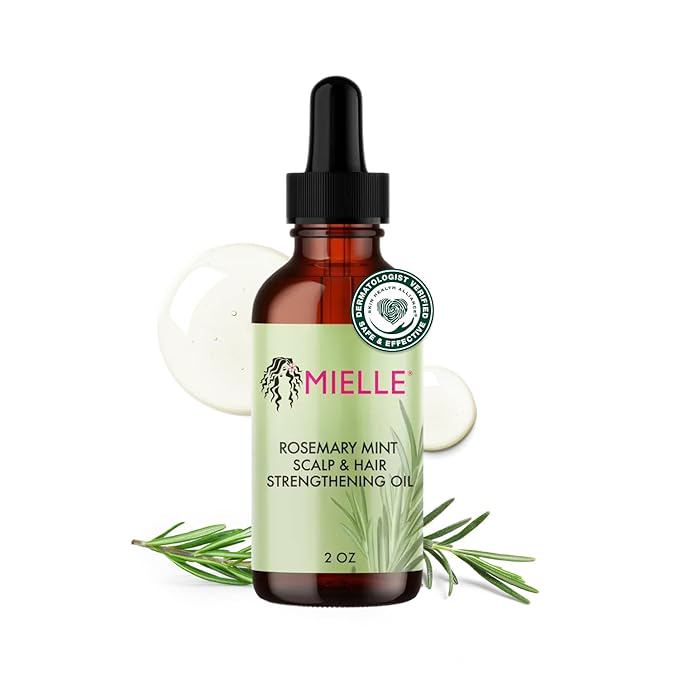
For scalp moisture and health, lighter, non-comedogenic oils can be a brilliant swap. Jojoba oil closely mimics the skin's natural sebum, helping to balance oil production. Squalane, derived from olives or sugarcane, is incredibly lightweight and hydrating without feeling greasy. A few drops massaged into the scalp before washing, or finding a leave-in treatment containing these oils, can deliver deep moisture without the weight or clogging risk of heavier products.
Incorporate Soothing Botanicals for Irritation
When your scalp feels inflamed or itchy, the instinct might be to scrub harder or use a medicated treatment. Often, a more calming approach is better. Swap out products with high concentrations of alcohol or fragrance for those featuring proven soothing botanicals.
Ingredients like aloe vera gel, witch hazel (alcohol-free), and panthenol (pro-vitamin B5) offer anti-inflammatory and hydrating properties. Tea tree oil, diluted in a carrier oil or in a formulated shampoo, has natural antimicrobial benefits that can help with flakiness associated with minor fungal issues. The goal is to calm the skin, not further provoke it.
- Aloe Vera: Provides immediate cooling hydration and soothes redness.
- Panthenol: Acts as a humectant, drawing moisture into the scalp and strengthening the skin barrier.
- Niacinamide: Helps improve the scalp's barrier function and can reduce inflammation.
Embrace Natural Exfoliants
Physical scrubs with harsh granules like walnut shells can create micro-tears on the scalp. For removing dead skin cell buildup, consider a chemical exfoliant swap. Ingredients like salicylic acid (a beta-hydroxy acid) or glycolic acid (an alpha-hydroxy acid) can gently dissolve the "glue" that holds dead cells together, allowing them to shed naturally.
You can find these in dedicated scalp treatments or clarifying shampoos meant for weekly use. They help keep follicles clear without abrasive scrubbing. Another gentle alternative is using a product with piroctone olamine or zinc pyrithione, which address flakiness by targeting the yeast that can contribute to dandruff.
Remember, consistency is more valuable than complexity. Introducing one or two of these swaps and observing how your scalp responds over a few weeks is the best strategy. A healthier, moisturized scalp is built on a foundation of gentle care, smart ingredient choices, and listening to what your skin needs.