When we talk about skin health, the conversation often jumps straight to serums and creams. But the foundation of resilient, supple skin is built long before a product touches your face. It’s constructed in the kitchen, with every meal and snack contributing to the cellular scaffolding that keeps skin firm and smooth. Supporting skin elasticity and minimizing the appearance of lines isn’t about a single miracle food; it’s about consistent, nourishing dietary patterns that provide the raw materials your skin needs to repair and renew itself.
Think of your diet as the supply chain for your skin’s construction crew. Without the right building blocks—like specific proteins, fats, and protective compounds—the natural processes of collagen production and defense against environmental damage simply can’t operate at their best. The good news is that making a few strategic, expert-backed shifts in what you eat can create a noticeable difference in your skin’s texture and bounce.
What does your skin need from your diet?
Skin elasticity relies primarily on two proteins: collagen and elastin. These form a supportive network in the dermis, the skin’s middle layer, giving it structure and the ability to snap back after being stretched. As we age, the production of these proteins naturally slows, and existing fibers can be damaged by factors like sun exposure and oxidative stress. This is where diet plays a crucial role. The right nutrients can help protect existing collagen, support the body’s own production of new collagen, and combat the inflammation and damage that accelerate visible aging.
The goal isn’t to eat collagen directly—though that’s a popular trend—but to consume the vitamins, minerals, and amino acids that act as the essential co-factors in the complex process of building and maintaining it.
Key nutrients and where to find them
Focusing on a nutrient-dense, colorful plate is the most effective strategy. Here are the powerhouse players for skin elasticity and the whole foods that deliver them.
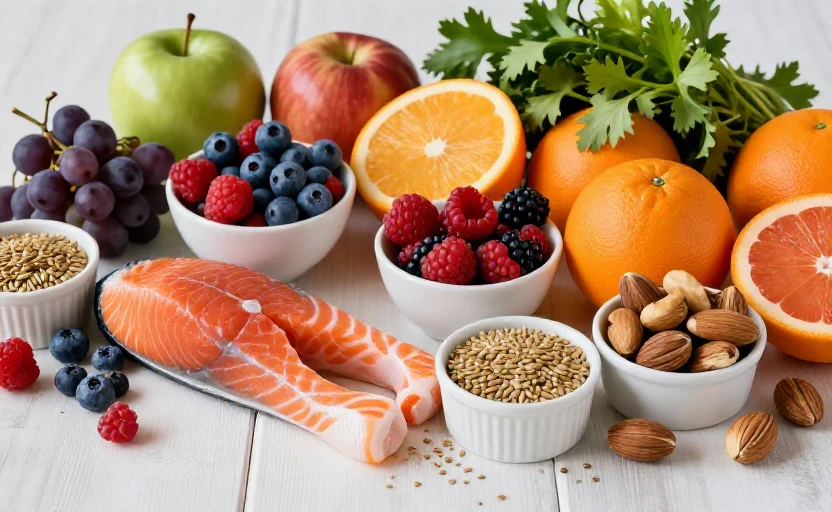
Vitamin C is non-negotiable. It’s a critical co-factor for collagen synthesis, meaning your body literally cannot form collagen without it. It’s also a potent antioxidant that helps neutralize free radicals from UV exposure and pollution. You’ll find it abundantly in citrus fruits, strawberries, kiwi, bell peppers (especially red and yellow), broccoli, and Brussels sprouts.
Vitamin A and its precursors (carotenoids) help with skin cell turnover and repair. Retinol, a form of vitamin A, is a gold-standard topical ingredient, but consuming its precursors supports skin health from within. Sweet potatoes, carrots, spinach, kale, and butternut squash are rich in beta-carotene, which the body converts to vitamin A.
Omega-3 Fatty Acids are the building blocks of your skin’s lipid barrier, helping to lock in moisture and keep skin plump. They also have strong anti-inflammatory properties, which can calm skin and may help mitigate inflammatory responses to sun damage. Fatty fish like salmon, mackerel, and sardines are excellent sources. For plant-based options, turn to walnuts, flaxseeds, chia seeds, and hemp seeds.
Protein and Specific Amino Acids provide the literal building blocks—amino acids like glycine, proline, and hydroxyproline—that make up collagen. Ensuring adequate protein intake from diverse sources is key. Think beyond just meat: include poultry, fish, eggs, legumes, lentils, tofu, and tempeh.
Antioxidant Compounds: A class of plant compounds called polyphenols, found in tea, berries, dark chocolate, and spices, offer broad-spectrum antioxidant and anti-inflammatory benefits, protecting the skin’s supportive structures.
Aim to ‘eat the rainbow’—the different pigments in fruits and vegetables often signal different protective phytochemicals that benefit your skin.
Practical dietary shifts to implement
You don’t need a complete overhaul. Start by integrating these habits, which collectively create a skin-supportive environment.
Prioritize plants at every meal. Make half your plate vegetables and fruits, aiming for a variety of colors throughout the day. A breakfast smoothie with spinach and berries, a lunch salad with mixed peppers and avocado, and a dinner featuring roasted sweet potatoes and broccoli easily covers your bases for vitamins C, A, and antioxidants.
Incorporate healthy fats daily. Add a tablespoon of ground flax or chia seeds to your oatmeal or yogurt. Include a serving of fatty fish 2-3 times per week, or snack on a small handful of walnuts. Use extra-virgin olive oil as your primary cooking fat and in dressings.
Choose high-quality protein. Distribute your protein intake across meals. A palm-sized portion of lean protein at lunch and dinner, or incorporating legumes and eggs at breakfast, ensures a steady supply of amino acids.
Stay consistently hydrated. While drinking water won’t directly erase lines, dehydrated skin appears dull, flaky, and can show fine lines more prominently. Water supports every metabolic process, including those in skin cells. Herbal teas and water-rich foods like cucumbers, celery, and melons also contribute.
What to enjoy less of
Just as some foods support skin, others may undermine its resilience. This isn’t about strict elimination, but mindful balance.
Diets high in refined sugars and processed carbohydrates can contribute to a process called glycation, where sugar molecules bind to and damage collagen and elastin fibers, making them stiff and brittle. This doesn’t mean you can never have dessert, but rather that basing your diet on whole, unprocessed foods is the priority.
Excessive alcohol consumption is dehydrating and can deplete the body of skin-friendly nutrients like vitamin A. Moderation is key.
A sample day of eating for skin elasticity
To see how this comes together, consider a day of meals focused on these principles:
- Breakfast: Greek yogurt topped with mixed berries, a sprinkle of walnuts, and a drizzle of honey.
- Lunch: A large salad with mixed greens, grilled chicken, cherry tomatoes, sliced bell peppers, avocado, and a lemon-tahini dressing.
- Snack: Sliced red bell pepper with hummus, or a square of dark chocolate with a handful of almonds.
- Dinner: Baked salmon with a quinoa pilaf and a side of roasted broccoli and sweet potato cubes.
- Hydration: Water throughout the day, and perhaps a cup of green tea in the afternoon.
This pattern provides a robust mix of protein, omega-3s, vitamins C and A, antioxidants, and hydration.
The bigger picture
Remember, no single meal—or even a week of perfect eating—will transform your skin. The benefits accumulate over time with consistent habits. Your skin regenerates on a cycle of about 28 days, so give dietary changes at least a month or two to reflect in your complexion.
These dietary strategies work synergistically with other pillars of skin health: diligent sun protection, effective topical skincare, quality sleep, and stress management. Think of your diet as the fundamental, internal support system that makes all your external efforts more effective. By feeding your skin the nutrients it craves, you’re investing in its long-term strength, elasticity, and natural glow.