If you have curly hair, you know the balancing act: fight dandruff without turning your strands into a brittle, frizzy mess. Many anti-dandruff shampoos are formulated with strong detergents and active ingredients that strip moisture, leaving curls parched and prone to breakage. The good news is that you can address flaking and keep your curls hydrated with a few expert-backed adjustments to your routine.
Why Curly Hair Is More Prone to Dandruff and Dryness
Curly hair naturally produces less sebum along the shaft compared to straight hair, and the twists and turns make it harder for the scalp's natural oils to travel downward. This can leave both the scalp and the lengths dry. When the scalp is dry, it may flake—and that flaking can be mistaken for dandruff. Meanwhile, true dandruff is often linked to an overgrowth of a yeast-like fungus called Malassezia. Treating it requires ingredients that target microbes, yet those same ingredients can be harsh on delicate curl patterns.
The Double Conditioning Method
One simple but effective strategy is to incorporate a double conditioning step into your wash day. This doesn't mean piling on extra product; rather, it's about timing and placement.
Step 1: Start by wetting your hair with lukewarm water. Apply a small amount of conditioner—just enough to coat the ends and mid-lengths. Avoid the scalp entirely during this first pass. Let it sit for about 10 minutes, then rinse with cool water.
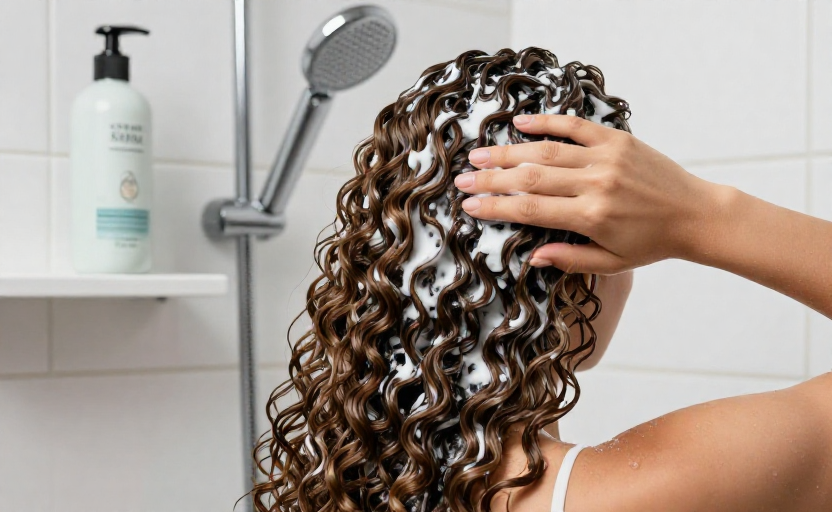
Step 2: Follow up with a gentle, sulfate-free shampoo. Focus the shampoo on your scalp, not the lengths. Rinse thoroughly.
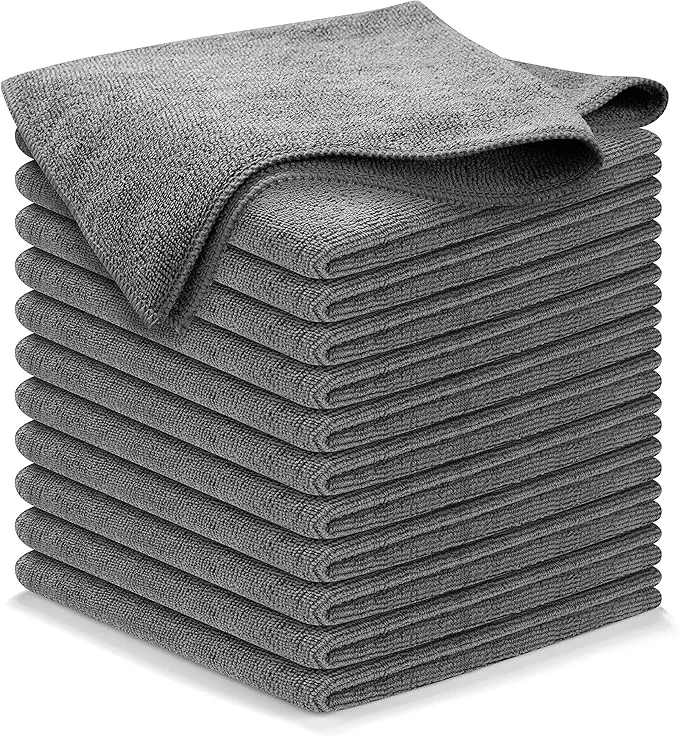
Step 3: After gently squeezing out excess water with a microfiber towel, apply conditioner a second time, again focusing on the ends and mid-lengths. Let it sit for another 10 minutes, then rinse with cool water.
This approach ensures your curls get the moisture they need while the medicated or gentle shampoo does its work on the scalp. The key is keeping conditioner off the scalp (which can worsen dandruff for some people) while deeply hydrating the hair itself.
Tip: If your dandruff shampoo contains active ingredients like ketoconazole, selenium sulfide, or salicylic acid, use it only on the scalp. Let it sit for a few minutes before rinsing, then proceed with conditioning.
Choose the Right Products for Your Curl Type
Not all anti-dandruff products are created equal. For curly hair, look for shampoos labeled sulfate-free, moisturizing, or “for dry/damaged hair” that still contain an anti-dandruff active. Many brands now offer dandruff-specific lines with added oils (like coconut or argan) or shea butter to offset drying. You can also alternate between a medicated wash and a more hydrating co-wash (cleansing conditioner) to keep the scalp balanced without over-stripping your curls.
Don't Over-Wash, and Watch Your Water Temperature
Curly hair doesn't need daily washing—over-washing strips natural oils and can trigger more flaking as the scalp tries to compensate. Aim for 1–2 times per week. Always use lukewarm water (hot water is drying for both scalp and hair), and finish with a cool rinse to help seal the cuticle and reduce frizz.
Pre-Wash Scalp Treatments
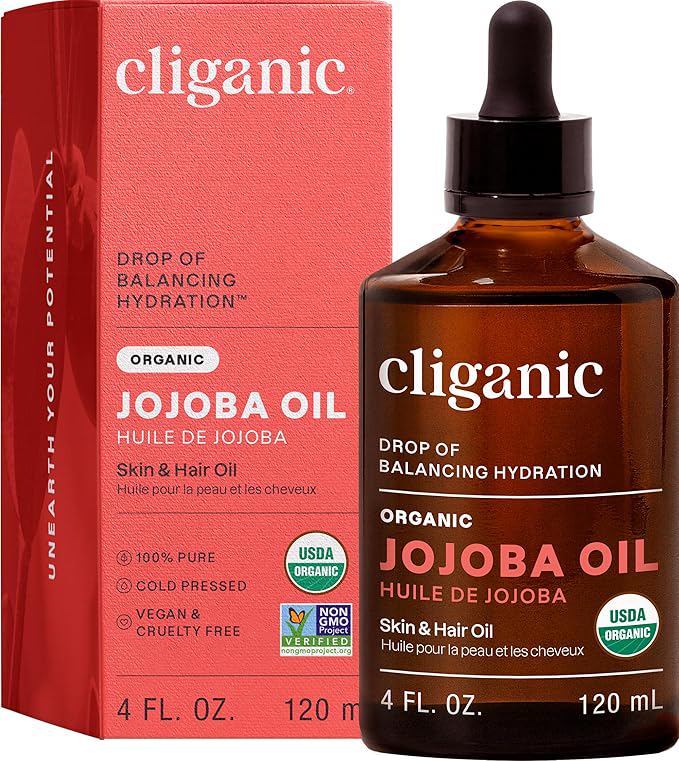
Another expert tip is to apply a lightweight oil (such as jojoba or grapeseed) to your scalp 15–20 minutes before showering. This can help loosen flakes, soothe irritation, and create a barrier that reduces the stripping effect of medicated shampoos. Just be sure to shampoo thoroughly afterward—you don't want buildup. A few drops of tea tree oil mixed into your shampoo once a week can also provide antifungal benefits without extra drying (always dilute essential oils in a carrier).
Consider Your Diet and Lifestyle
While scalp care is the front line, internal factors play a role. Omega-3 fatty acids (found in fish, flaxseeds, and walnuts) support skin health and may help reduce inflammation. Zinc and B vitamins are also important for scalp function. Staying hydrated and managing stress can also influence dandruff severity.
When to See a Professional
If you've tried these changes for several weeks and still see persistent flaking, redness, or itching, a dermatologist can assess whether you have a more complex scalp condition like seborrheic dermatitis, psoriasis, or a fungal infection that may require a prescription treatment.
Managing dandruff on curly hair is absolutely possible without sacrificing moisture. With the right sequence—gentle cleansing, targeted scalp treatment, and deep conditioning—you can maintain a healthy scalp and bouncy, hydrated curls.