
When you’re navigating the hormonal shifts of menopause, the last thing you need is another source of pressure. The changes can feel personal—vaginal dryness, lower libido, hot flashes that derail a quiet moment—and they often come with an undercurrent of guilt or worry about your relationship. But intimacy during this phase doesn’t have to be a performance or a problem to solve. It can be a quiet reconnection, a new kind of closeness that honors where your body is right now.
Let’s walk through the practical, grounded steps that experts suggest for rekindling intimacy. None of them involve “just relax” platitudes or rigid schedules. Instead, think of this as permission to slow down, communicate differently, and explore touch that isn’t goal-oriented.
Start with honest, low-pressure conversations
The biggest barrier to intimacy during menopause is often silence. You might feel like your partner won’t understand, or you might worry that bringing up vaginal dryness will lead to pity or awkwardness. But the research is clear: couples who talk openly about symptoms report higher relationship satisfaction and more satisfying physical intimacy.
That doesn’t mean you need a formal sit-down. Try saying something like, “I miss feeling close, but my body feels different lately. Can we figure out new ways to connect?” This frames it as a team effort. Acknowledge that you’re both adjusting. Use “I” statements to avoid blame: “I’ve been struggling with discomfort during sex” instead of “You always rush things.”
Remove the goal of penetration
Many women feel pressure to maintain the same type of sex they had in their 20s or 30s. During menopause, the vaginal tissues become thinner and less elastic due to lower estrogen, which can make penetration painful. According to the North American Menopause Society, up to 50% of postmenopausal women report dyspareunia (painful intercourse).
Redefining what counts as “sex” is liberating. Consider a session where penetration is off the table entirely. This could include:
- Extended, sensual massage without genital focus
- Mutual masturbation or manual stimulation
- Oral sex, if that feels comfortable
- Naked cuddling with slow, non-demanding touch
When the pressure to perform is gone, many couples report feeling closer than they did during their high-libido years.
Reintroduce pleasure with lubricants and moisturizers
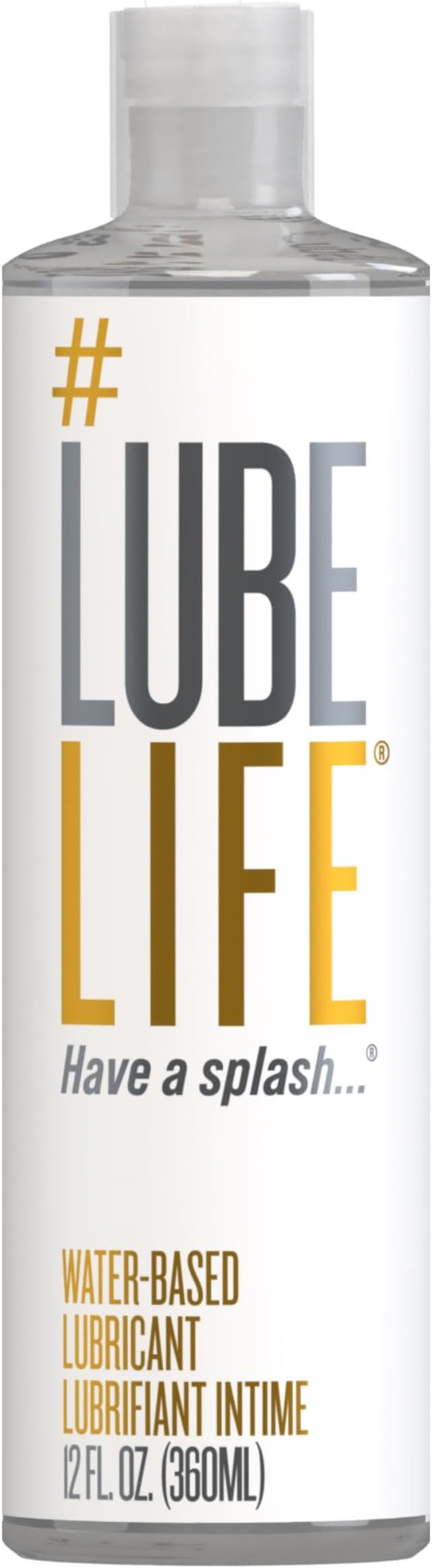
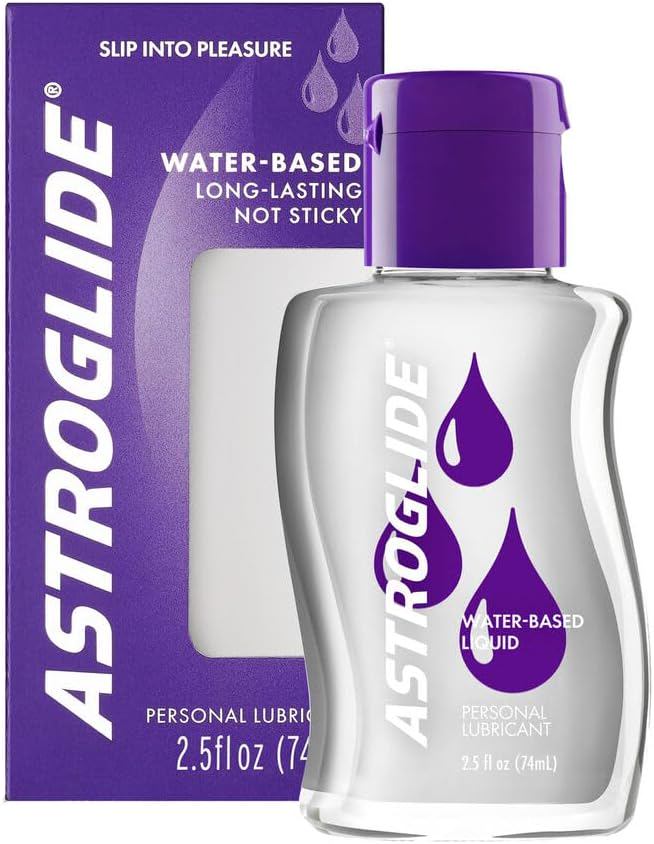
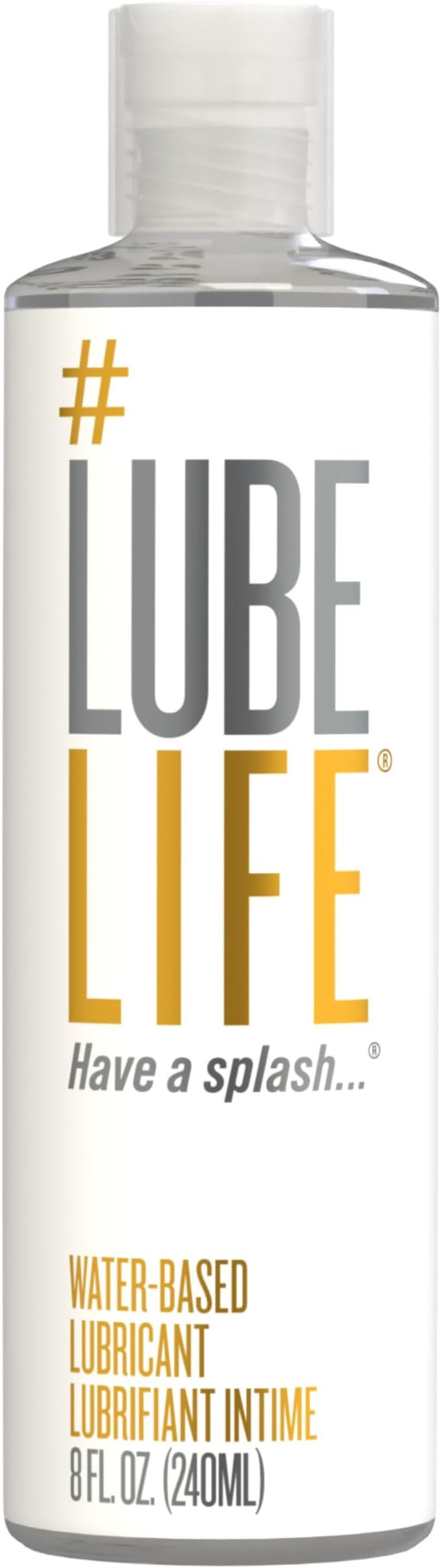
Vaginal dryness is one of the most common physical symptoms during menopause, but it’s also one of the most manageable. A high-quality water-based or silicone lubricant can dramatically reduce friction and discomfort. For longer-lasting relief (not just during sex), a vaginal moisturizer applied regularly can help tissue health. Avoid products with added flavors, warming agents, or perfumes—these can irritate sensitive skin.
These aren’t “crutches” or signs of failure. They are tools, just like reading glasses when your eyes change. Many women find that a good lubricant makes the difference between avoiding sex entirely and actually enjoying it again.
Explore non-sexual intimacy rituals
Sometimes the desire to be near your partner has nothing to do with arousal—it’s about comfort, trust, and safety. During menopause, emotional volatility (from fluctuating estrogen and progesterone) can make you feel less inclined to initiate touch. But pulling away can create distance that’s hard to bridge later.
Try building small, repeated moments of connection that aren’t leading anywhere sexually. Examples include:
- Holding hands for three minutes before falling asleep
- A short morning hug that lasts at least 20 seconds (long enough to release oxytocin)
- Foot rubs while watching a show, with no expectation of reciprocation
- Sitting close on the couch instead of separate chairs
These gestures signal to your nervous system that you are safe and connected, which can eventually make sexual touch feel less threatening or pressured.
Work with your body, not against it
Hormonal shifts can also affect your sleep, energy levels, and body image. If you’re exhausted from night sweats or feeling self-conscious about weight gain, it’s normal to have zero interest in sex. The solution isn’t to “push through” but to schedule intimacy at times of day when you feel your best. For some women, that’s mid-morning after a shower; for others, it’s right after a nap.
Exercise—especially pelvic floor exercises like Kegels—can improve blood flow to the genital area and increase natural lubrication. Walking, yoga, or swimming can also improve mood and body confidence. None of this is about achieving a certain look; it’s about feeling grounded in your own skin.
Know it’s okay to pause and then restart
If you’ve gone months without physical intimacy, starting again can feel awkward. That’s completely normal. The key is to approach it with curiosity rather than criticism. You might tell your partner, “I’d like to try being close again, but I might need to stop if it doesn’t feel right. Let’s just check in with each other.”
Many sex therapists recommend “sensate focus” exercises—a structured way to gradually reintroduce touch without the pressure of intercourse. In the first stage, you simply touch each other’s non-genital areas (hands, arms, back) without any goal. Over weeks, you slowly expand the areas of touch, always stopping before discomfort or anxiety arise. This rebuilds trust and rewires your brain to associate your partner’s touch with safety and pleasure, not pain or failure.
Consider talking with a professional
If physical symptoms like dryness, burning, or pain persist despite lubricants, or if you’re feeling persistent anxiety or sadness around intimacy, it’s worth talking to a healthcare provider. A gynecologist can prescribe low-dose vaginal estrogen creams or rings that are very effective at restoring tissue health with minimal systemic absorption. A pelvic floor physical therapist can address muscle tension and tenderness. A couples counselor or certified sex therapist can help you and your partner navigate the emotional side.
You don’t have to figure out everything alone. The goal isn’t to go back to the way things were before menopause—it’s to build a new kind of intimacy that fits who you are now.